Encourage Single Leader
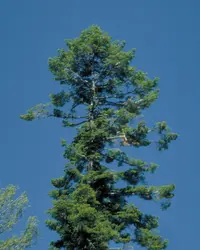
In the first 3–5 years, select one strong central stem and remove competing upright shoots in late winter to build a stable, wind-resistant structure.


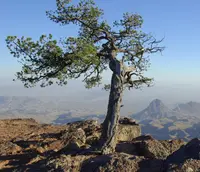
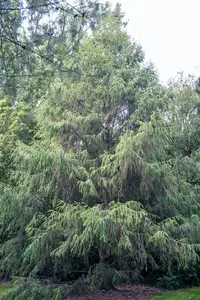
Lacebark pine (Pinus bungeana) is a slow-growing, long-lived conifer valued for its striking, patchy bark that peels to reveal cream, green, and gray tones. It typically forms a multi-stemmed, upright tree with a somewhat irregular, architectural shape.
This species is native to central China, where it grows on hillsides and in temperate woodland areas. In gardens and landscapes it is chosen more for ornamental bark and structure than for dense screening.
Pinus bungeana grows slowly but is generally resilient once established, tolerating cold and moderate drought, which makes it relatively manageable for patient gardeners. It prefers full sun, well-drained soil, and steady but not excessive moisture, and these points guide how to care for Lacebark Pine.

Care Difficulty
Moderate Care

Light Preference
Full Sun

Water Requirements
Low Water

Temperature Preference
Cold Hardy

Hardiness Zone
4–8

Soil Texture
Sandy, Loamy, Rocky

Soil pH
Acidic (5.5–6.5), Slightly acidic (6.5–7.0)

Soil Drainage
Well-drained

Fertilization
Minimal (feed rarely)
Scan your plant to receive care tips personalized for your specific plant
Available on iOS and Android
This species thrives in full sun but accepts some light shade, especially in hotter regions.
This pine prefers evenly moist, well-drained soil while establishing, then becomes relatively drought-tolerant.
This hardy pine tolerates a wide temperature range once established.
Humidity is rarely a concern for Pinus bungeana in outdoor settings.
Pinus bungeana prefers mineral-based, well-drained soil that prevents waterlogging around the roots.
This species can be grown in containers for many years when managed for stability and drainage.
This slow-growing conifer needs only modest feeding, especially in reasonably fertile garden soil.
Pruning Pinus bungeana is usually light and focused on safety, structure, and visibility of the bark.
This pine is usually planted in the ground and moved only when young to limit transplant shock.
Sexual propagation from seed is the standard approach for this species and requires patience and specific conditions.
Established plants are quite cold hardy and usually need minimal winter care in typical temperate climates.

Plant Health Check
Not sure what's wrong with your plant? Check your plant's health inside the app.
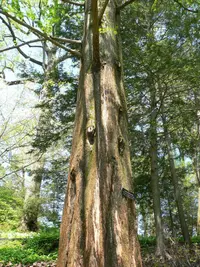
Mature trunks develop patchy bark that flakes off in irregular plates, revealing smooth layers in pale green, cream, gray, and reddish tones, which is why the species is commonly called lacebark pine.
Unlike many pines, this species shows relatively high shade tolerance in its youth, allowing it to establish under light woodland canopies and in more sheltered garden locations.
Growth is typically slow, but the species can reach several centuries of age in favorable conditions, which makes it a valued choice for long-term landscape plantings and traditional temple gardens.

In parts of northern and central China, this species has been planted around temples, monasteries, and historical sites for many centuries, and some old individuals are legally protected as living cultural relics due to their age and heritage value.
This species is slow-growing, typically adding about 15–30 cm of height per year under good conditions. Growth is slower in poor soil, dry sites, or exposed locations, which makes it easier to manage in smaller landscapes.
Keep your plants happy and healthy with plant identification, disease detection, and easy care guidance.