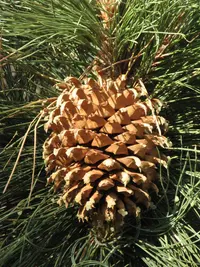
Macedonian Pine Care (Pinus peuce)

Also known as: Greek stone pine, Balkan pine
Macedonian Pine

About Macedonian Pine

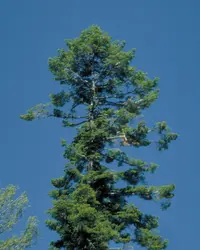
Macedonian pine, Pinus peuce, is a long-lived coniferous tree valued for its dense, soft blue-green needles and naturally graceful, pyramidal crown. It is typically grown as an ornamental or landscape tree rather than a houseplant.

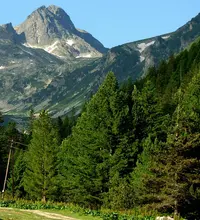
This species comes from mountainous regions of the Balkans, where it tolerates cold, wind, and relatively poor soils. Its slow to moderate growth and strong central leader make it structurally stable and relatively low-maintenance once established.

Good drainage, full sun, and evenly moist but not waterlogged soil support healthy development. These traits make it important to understand how to care for Macedonian Pine before planting in a long-term landscape position.

Main Plant Requirements

Care Difficulty

Moderate Care

Light Preference

Full Sun

Water Requirements

Moderate Water

Temperature Preference

Cold Hardy

Hardiness Zone

4–7

Soil Texture

Sandy, Loamy, Rocky

Soil pH

Acidic (5.5–6.5), Slightly acidic (6.5–7.0)

Soil Drainage

Well-drained

Fertilization

Minimal (feed rarely)

Get Personalized Care Plan

Scan your plant to receive care tips personalized for your specific plant

Available on iOS and Android

How to Care for the Macedonian Pine

This high-mountain conifer prefers steady sun but adapts to a range of light exposures in temperate climates.

  • Provide 6–8 hours of direct sun daily; in hotter regions, prioritize morning sun with light afternoon shade to prevent needle scorch.
  • Young Macedonian Pine trees benefit from some filtered light during the first 2–3 summers while roots establish.
  • In cooler or cloudy climates, full sun all day is ideal; in dense partial shade, growth slows and lower branches thin over several seasons.

This species prefers evenly moist, well-drained soil during establishment, then becomes moderately drought tolerant.

  • In the first 2–3 years, water when the top 5–8 cm of soil feels dry, applying a deep soak that penetrates 20–30 cm into the root zone.
  • Mature Pinus peuce in the ground usually needs extra water only during prolonged drought, using slow, infrequent deep watering rather than light sprinkling.
  • Watch for stress signs: yellowing needles and dieback can indicate chronic dryness, while limp, gray-green needles and soggy soil suggest overwatering or poor drainage.

This cold-hardy mountain pine tolerates severe winters but grows best in cool to moderately warm conditions.

  • Optimal active growth occurs around 55–75°F (13–24°C), typical of cool-summer or higher-elevation sites.
  • Established trees tolerate winter lows near -20°F (-29°C) with good hardiness; brief drops to about -30°F (-34°C) are usually survivable once well rooted.
  • Heat tolerance is moderate; sustained temperatures above 90°F (32°C) can stress trees, so combine mulch, adequate soil moisture, and some afternoon shade in hot-summer regions.

Pinus peuce tolerates a wide humidity range and rarely needs special humidity management outdoors.

Pinus peuce prefers deep, well‑drained, mineral soils that stay evenly moist but never waterlogged.

  • Use a sandy or loamy soil with a gritty structure, such as native soil amended with sharp sand and fine gravel, to support strong root anchoring.
  • Maintain slightly acidic to neutral pH around 5.5–7.0; avoid strongly alkaline sites that can limit nutrient uptake and cause chlorosis.
  • Improve drainage and aeration on heavier soils by incorporating coarse sand, small gravel, or fine bark chips through at least the top 20–30 cm.
  • Avoid compacted, heavy clay or low-lying spots where water lingers, since persistent saturation increases root rot risk and weakens growth.

This species can be grown in containers for many years if the setup allows for deep, stable root development.

  • Choose a tall, heavy container that resists tipping and gives the developing taproot enough downward space to anchor the tree.
  • Use a fast-draining, gritty mix such as 60–70% coarse mineral components with 30–40% organic matter to prevent chronic moisture retention around the roots.
  • Place the container where wind exposure is moderated or brace it, since a tall, top-heavy crown can stress roots and destabilize the pot.

This mountain conifer grows well in lean soils, so fertilizing Pinus peuce should stay light and targeted.

  • Use a slow-release, balanced NPK fertilizer or well-rotted compost in early spring to support steady growth.
  • Feed established trees only 1 time per year in spring; young container plants can receive a light dose again in early summer.
  • Apply at 1/2 strength of label rate around the drip line, keeping granules off the trunk and needles.
  • Do not fertilize in late summer or winter, as new soft growth may be damaged by cold and the tree is semi-dormant.

Pruning Pinus peuce is usually minimal and focuses on health and structure rather than shaping.

  • Carry out any pruning in late winter to early spring before active growth starts.
  • Remove only dead, diseased, or storm-damaged branches, cutting back to just outside the branch collar.
  • Thin crowded interior branches sparingly to improve light and airflow without overopening the canopy.
  • Use clean, sharp bypass pruners or a pruning saw and avoid cutting into the central leader to maintain natural form.

This pine is most often grown in the ground, so focus on careful transplanting rather than frequent repotting.

  • Transplant when roots fill the nursery container, circle the root ball, or growth slows noticeably.
  • Schedule planting or moving Pinus peuce in early spring or early fall when soil is workable and temperatures are mild.
  • Container or nursery plants usually need transplanting only once into a permanent site with well-drained, slightly acidic soil.
  • Handle the root ball gently, loosen circling roots, water deeply after planting, and mulch 5–8 cm to reduce stress and conserve moisture.

Propagation of Pinus peuce is most often done from seed and is slow but reliable with the right conditions.

  • Collect ripe cones in late summer to fall, then extract seeds and store cool and dry until sowing.
  • Provide cold stratification at 35–40°F for 8–12 weeks to break seed dormancy and improve germination.
  • Sow in spring in a gritty, well-drained mix, barely covering seeds and keeping the medium evenly moist, not saturated.
  • Grow seedlings in bright light with good airflow and transplant only once they develop a sturdy root system.

This species is cold hardy and usually needs little special winter care once established in the landscape.

  • Established trees tolerate significant frost and snow, making formal Macedonian Pine indoor care unnecessary outdoors.
  • Apply a 5–8 cm mulch layer over the root zone in late fall, keeping it a few cm away from the trunk.
  • For young or container plants in very cold regions, shelter from drying winds and move pots to a protected, unheated area if possible.

Care Tips

Windbreak positioning

When planting young trees in exposed sites, position them near temporary windbreaks such as fences or shrub rows to reduce wind scorch and trunk wobble during the first 3–5 years.

Formative leader training

Inspect the central leader annually and, if it forks, select the strongest upright shoot and lightly stake it while pruning out competing leaders to maintain a single straight trunk and stable structure.

Snow load management

In regions with heavy, wet snow, gently knock accumulated snow off lower branches with a soft broom to reduce the risk of limb breakage, especially on young or multi-stemmed trees.

Understory competition control

Keep a 60–90 cm grass-free mulch ring around the base to limit competition for moisture and nutrients, which helps young trees establish deeper, stronger root systems.

Site selection for longevity

When planning for growing Macedonian Pine, choose a site with enough horizontal space for its mature spread and avoid locations under power lines or too close to buildings to prevent future structural conflicts and heavy pruning.

Common Pests and Diseases

Pine needle cast

This disease causes needles to yellow from the tip, then turn brown and fall prematurely, often leaving only the newest needles on branch ends. Symptoms include thin, see-through crowns and fine black fruiting bodies on dead needles.

Solution

Remove and destroy heavily affected lower branches and fallen needles to reduce spore sources. Improve spacing and airflow, avoid overhead irrigation, and apply a registered copper or chlorothalonil-based fungicide in spring just as new needles emerge, repeating per label if wet weather persists.

Sirococcus shoot blight

This disease leads to browning and death of current-year shoots, often with curved, drooping tips and scattered dead twigs along otherwise healthy branches. Tiny black fruiting bodies can form on dead shoots and cones, especially after cool, wet springs.

Solution

Prune out blighted shoots several inches into healthy wood and destroy prunings, disinfecting tools between cuts. In sites with a history of shoot blight, time protective fungicide sprays to bud break and early shoot elongation and avoid high-nitrogen fertilization that triggers very soft, disease-prone growth.

Pine needle scale

These insects appear as small white, elongated, crusty spots on needles, causing a dull, grayish cast, reduced vigor, and sometimes premature needle drop. Heavy infestations can weaken Macedonian pine, especially in dry, dusty, or stressed sites.

Solution

For light infestations, prune and discard the worst-affected twigs and hose down foliage to remove dust and dislodge some scales. For stronger control, target the crawler stage in late spring with horticultural oil or an insecticidal soap spray, ensuring thorough coverage of needles and repeating according to label directions if needed.

Pine bark beetles

These insects bore into trunks and larger branches, leading to fading crown color, scattered dead branches, and sometimes rapid tree decline, often following drought or mechanical damage. Symptoms include tiny round exit holes, reddish boring dust, and sometimes resin pitch tubes on the bark.

Solution

Promptly remove and destroy severely infested or dead trees to reduce beetle populations and avoid storing infested firewood near living pines. Maintain strong tree vigor through regular watering during drought, mulching the root zone, and preventing trunk injury; preventive trunk sprays by a certified professional may be warranted in outbreak areas.

Dothistroma-like needle blight

This disease produces brown to reddish bands or blotches on needles, which later turn tan and drop, often starting on lower, inner branches. Over several years it can thin the crown and make branches look tufted with only the newest needles remaining.

Solution

Rake and dispose of fallen needles and thin nearby vegetation to improve light and air movement. In high-pressure areas or on repeatedly affected trees, apply a copper-based fungicide around bud break and again several weeks later, and avoid overhead watering that keeps needles wet for long periods when growing Macedonian Pine.

Interesting Facts

Balkan relic conifer

Pinus peuce is a Tertiary relict species, meaning it survived from pre-Ice Age forests and today has a naturally restricted range in high mountain massifs of the central Balkans, especially the Rila, Pirin, and Šar Mountains.

Exceptionally soft needles

Unlike many pines with stiff, sharp foliage, this species has soft, flexible needles grouped in bundles of five, which stay on the tree for several years and give the crown a distinctly dense, silky appearance.

Cold-tolerant highlander

In its native habitat, this pine grows at elevations up to the upper tree line and endures long, cold winters with heavy snow, helped by its narrow crown and strong branches that shed snow efficiently.

Botan icon

Did you know?

In the Balkans, the fine-textured, straight-grained wood of Pinus peuce has historically been valued for high-quality joinery and carpentry, leading to localized overuse in some regions and prompting early discussions about its conservation status in European forestry literature.

FAQs about Macedonian Pine

This species has a moderate growth rate, typically adding about 20–35 cm per year once established. Growth is slower in the first few years while roots develop, then increases under full sun, adequate moisture, and deep, well-drained soil.

Grow Healthy Plants with Botan Care

Keep your plants happy and healthy with plant identification, disease detection, and easy care guidance.


Botan plant care app — identify plants on mobile

Explore More Plants