Slash Pine Care (Pinus elliottii)

Also known as: yellow slash pine, swamp pine, pitch pine
Slash Pine

About Slash Pine

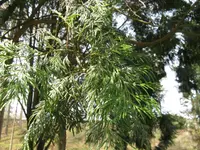
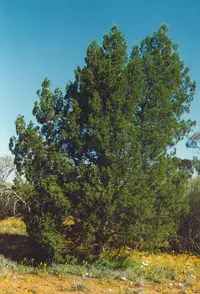
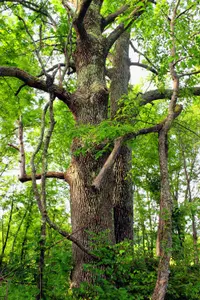
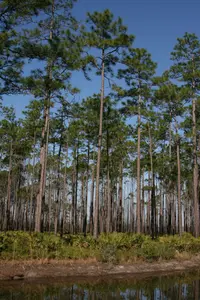
Slash pine, Pinus elliottii, is a fast-growing evergreen conifer native to the southeastern United States, especially coastal plains and wet flatwoods. It forms a tall, straight trunk with an open, airy crown and long, glossy needles held in clusters, giving a fine-textured look from a distance. Cones are narrow and often appear in groups along the branches. This species tolerates heat, wind, and poor, sandy soils, which makes it relatively forgiving in suitable climates. It prefers full sun and well-drained but slightly moist soil, so understanding how to care for Slash Pine starts with choosing the right outdoor site.

Main Plant Requirements

Care Difficulty

Moderate Care

Light Preference

Full Sun

Water Requirements

Low Water

Temperature Preference

Warm Climate

Hardiness Zone

7–10

Soil Texture

Sandy, Loamy

Soil pH

Strongly acidic (4.5–5.5), Acidic (5.5–6.5)

Soil Drainage

Well-drained

Fertilization

Minimal (feed rarely)

Get Personalized Care Plan

Scan your plant to receive care tips personalized for your specific plant

Available on iOS and Android

How to Care for the Slash Pine

This pine is a full-sun tree that thrives in strong, direct light in open landscapes.

  • Provide 6–10 hours of direct sun daily; Slash Pine grows best in unobstructed sites such as fields, roadsides, or large yards.
  • It tolerates light partial shade, especially when young, but prolonged shade leads to sparse, weak growth and thinner crowns.
  • In hot climates, strong afternoon sun is acceptable if soil moisture is stable; poor light is a greater risk than sunburn for established trees.

This species prefers well-drained soil and moderate, infrequent watering once established.

  • For young trees, water deeply when the top 5–8 cm of soil are dry, then allow the soil to drain fully before watering again.
  • Mature Pinus elliottii usually relies on rainfall; supplement only during prolonged drought when needles dull, curl slightly, or lower branches brown.
  • Avoid soggy or compacted sites; persistent wet soil, sour odor, and yellowing needles indicate overwatering and risk of root rot.

This pine is adapted to warm, humid climates with mild winters and hot summers.

  • Optimal active growth occurs around 70–90°F (21–32°C), with best performance in long, warm seasons.
  • Established trees tolerate brief lows near 15–20°F (-9 to -6°C), but young plants benefit from protection from hard, sudden freezes.
  • Heat tolerance is high up to about 100°F (38°C) if soil moisture is adequate; extended cold, drying winds, and repeated hard frosts can damage new growth.

Humidity is rarely a limiting factor for Pinus elliottii, which adapts well to typical outdoor conditions.

Pinus elliottii prefers sandy, fast-draining soil that still holds some moisture in deeper layers.

  • Use a mix of 60–80% coarse sand with the rest split between pine bark fines and a small amount of compost for structure and nutrients.
  • Aim for slightly acidic conditions around pH 5.0–6.5, avoiding strongly alkaline substrates that limit nutrient uptake.
  • Ensure very rapid drainage; raised beds or mounds help prevent waterlogging and root diseases on heavier native soils.
  • On compact or clay sites, blend in coarse sand and fine bark to improve aeration rather than adding large amounts of dense compost.

This species can be grown in containers only for temporary or juvenile stages, as it becomes large and strongly rooted.

  • Choose a deep, heavy container that resists tipping as the tree develops a tall, narrow canopy and concentrated root mass.
  • Use a very fast-draining, sandy mix so water passes through quickly, reducing the risk of root rot in confined roots.
  • Position the pot where wind exposure is moderated by a wall or other barrier, as the top-heavy form can stress and loosen container roots.

This species grows well in poor, sandy soils and usually needs little added fertilizer once established.

  • For young Slash Pine in low-fertility soil, apply a balanced slow-release NPK (such as 10-10-10) in early spring.
  • Use light rates, following the lowest label recommendation to avoid excessive, weak growth.
  • Limit feeding to the active growing season and skip or greatly reduce applications in winter.
  • Do not place fertilizer directly against the trunk; spread it evenly over the root zone and water in well.

Pruning needs for Pinus elliottii are minimal and focus on safety and basic structure.

  • Best time is late winter to early spring before new growth starts.
  • Remove only dead, diseased, storm-damaged, or rubbing branches to maintain a healthy crown.
  • Use clean, sharp bypass pruners or a pruning saw, cutting just outside the branch collar.
  • Limit canopy reduction, as heavy cutting weakens the tree and ruins its natural form.

Slash pine is usually grown in the ground, so management focuses on correct transplanting from nursery containers.

  • Transplant in late winter to early spring while growth is slow and soils are moist but not waterlogged.
  • Choose young trees with minimal root circling; avoid specimens with dense, pot-bound roots if possible.
  • Handle the root ball gently, slicing only tight outer root circles and keeping most soil intact to reduce stress.
  • Set the tree at the same depth as in the pot, water thoroughly, then maintain consistent moisture until established.

Pinus elliottii is mainly propagated from seed rather than vegetative methods.

  • Collect mature cones, dry them until seeds release, and store cool and dry until sowing.
  • Stratify seeds in moist medium at 35–41°F for 30–60 days to improve germination.
  • Sow in a free-draining, sandy mix, barely covering the seeds, and keep evenly moist in bright light.
  • Maintain good air circulation and avoid overwatering to prevent damping-off in seedlings.

This pine is naturally adapted to mild winters and usually needs little special winter care in its hardiness range.

  • Mature trees tolerate light freezes common in USDA zones 8–9.
  • Apply 5–8 cm of mulch around the root zone in fall, keeping it away from the trunk flare.
  • For container plants in cooler areas, move pots to a sheltered, frost-free but bright location until spring.

Care Tips

Windfirm training

In the first 3–5 years, avoid staking unless absolutely necessary and instead allow moderate wind exposure so the trunk and root system strengthen naturally, which reduces the risk of storm blowdown later.

Controlled leader selection

Inspect the top of young trees after storms and prune away competing or damaged leaders in late winter so that a single straight central leader remains, improving long-term form and timber quality.

Fuel load management

Keep a vegetation-free or low-fuel ring 60–90 cm around the trunk using mulch or careful herbicide use to reduce fire risk and protect the thin bark of young trees from heat damage.

Targeted needle retention

Avoid unnecessary removal of lower live branches and needles during the grass stage, since retaining foliage close to the ground accelerates diameter growth and overall vigor when growing Slash Pine.

Periodic root inspection

For container or landscape trees with past container history, gently expose and correct circling or kinked surface roots at planting or during early years to prevent future instability and girdling problems.

Common Pests and Diseases

Southern pine beetle

This pest bores into the inner bark and disrupts sap flow, leading to fading crowns, pitch tubes on the bark, and eventual tree death. Symptoms include scattered dying branches that progress to whole-tree decline.

Solution

Promptly remove and dispose of heavily infested trees to reduce beetle populations, and avoid fresh trunk wounds or stress from severe pruning or drought. For high‑value trees in outbreak areas, consult a certified arborist about preventive trunk injections or professionally applied systemic insecticides, and maintain good vigor with adequate water and no excess nitrogen fertilization.

Black turpentine beetle

This pest attacks the lower trunk, producing large pinkish to reddish pitch masses near the base and causing crown thinning over time. Trees are usually stressed or wounded before becoming infested.

Solution

Minimize mechanical damage to the trunk and roots, and avoid piling mulch or soil against the bark. Remove and destroy severely infested trees if practical, improve watering during dry periods, and in high‑risk sites consider professional application of trunk sprays or systemic treatments following local forestry guidelines for Pinus elliottii care.

Fusiform rust

This disease causes spindle‑shaped galls on stems and branches, which can girdle young trees and weaken or deform older ones. Symptoms include swollen, elongated cankers that may ooze orange spores in spring.

Solution

Prune out small galls on branches during dry weather, cutting several inches below the swollen area, and destroy removed material. Avoid planting Slash pine near dense oak stands where the fungus overwinters, select rust‑resistant stock when possible, and maintain good spacing and airflow to reduce infection pressure.

Needle blight

This disease leads to browning and premature shedding of older needles, starting in the lower crown and moving upward, which gives the tree a thin, scorched appearance. Symptoms include banding, spots, or dieback on needles while current‑year needles may remain green longer.

Solution

Rake and remove fallen needles to lower the amount of fungal spores around the tree, and avoid overhead irrigation that wets foliage for long periods. Improve spacing and airflow around the canopy, and in persistent or severe cases consult a local extension service or arborist about timing and need for targeted fungicide sprays.

Pine tip moth

These insects lay eggs on new shoots, and the larvae bore into buds and tips, causing dead or stunted candles and a bushy, misshapen crown. Symptoms include browned, hollow tips that break easily and resin exuding from damaged shoots.

Solution

Prune and destroy infested shoot tips before larvae leave them, focusing on damaged new growth. Maintain tree vigor through proper site selection, watering, and mulching, and in areas with chronic problems consider professionally timed insecticide treatments at egg‑hatch periods based on local extension recommendations for growing Slash Pine.

Interesting Facts

Two distinct varieties

This species occurs naturally as two main varieties, the typical slash pine of wetter flatwoods and the south Florida slash pine that is more drought and fire tolerant and often treated separately because of its distinct genetics and ecology.

Key pine plantation tree

Slash pine became one of the most widely planted southern pines in the US during the 20th century, valued for rapid early growth, straight stems, and suitability for pulpwood and timber production on former agricultural land.

Major gum resin source

Historically, this species was tapped extensively in the southeastern US naval stores industry, providing gum resin that was distilled into turpentine and rosin used for solvents, coatings, and industrial products.

Botan icon

Did you know?

In its native range in the southeastern United States, this pine often forms mixed stands with longleaf pine, and its relative shade tolerance and rapid juvenile growth allow it to dominate on many sites that were formerly longleaf pine savannas when frequent fire is suppressed.

FAQs about Slash Pine

This species grows relatively quickly for a conifer, often adding 30–90 cm per year when young under good light and soil conditions. Growth slows with age, and poor drainage, compacted soil, or nutrient deficiency can reduce vigor.

Grow Healthy Plants with Botan Care

Keep your plants happy and healthy with plant identification, disease detection, and easy care guidance.


Botan plant care app — identify plants on mobile

Explore More Plants