Mexican Weeping Pine Care (Pinus patula)

Also known as: Jelecote Pine, Patula Pine, Spreading-leaved Pine, Weeping Pine
Mexican Weeping Pine

About Mexican Weeping Pine

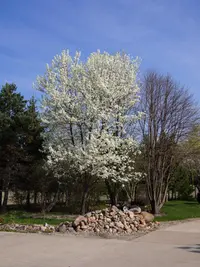
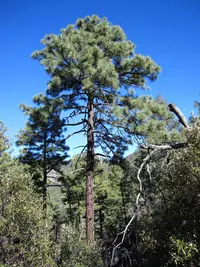
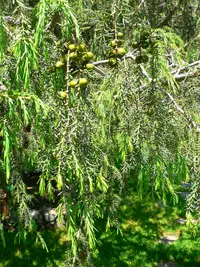
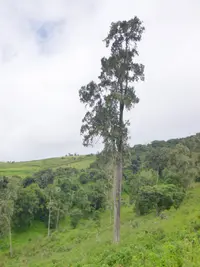
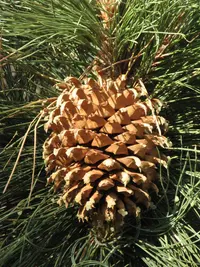
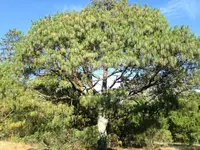
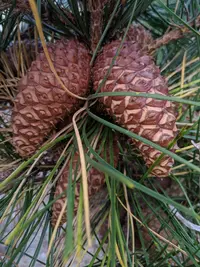
Mexican weeping pine, Pinus patula, is a fast-growing evergreen conifer known for its long, soft needles and gracefully drooping branches. It often develops a tall, open crown that gives it a delicate, feathery look despite its size.

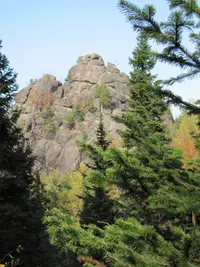
This species is native to the cool, elevated regions of Mexico, where it grows in mixed pine and oak forests. It is widely planted in temperate and subtropical regions as a forestry and ornamental tree.

Mexican weeping pine is generally easy to establish if given full sun, well-drained soil, and moderate moisture. Understanding how to care for Mexican Weeping Pine starts with providing enough light and avoiding waterlogged conditions.

Main Plant Requirements

Care Difficulty

Moderate Care

Light Preference

Full Sun

Water Requirements

Moderate Water

Temperature Preference

Warm Climate

Hardiness Zone

9–11

Soil Texture

Sandy, Loamy, Rocky

Soil pH

Strongly acidic (4.5–5.5), Acidic (5.5–6.5)

Soil Drainage

Well-drained

Fertilization

Minimal (feed rarely)

Get Personalized Care Plan

Scan your plant to receive care tips personalized for your specific plant

Available on iOS and Android

How to Care for the Mexican Weeping Pine

This highland pine thrives in bright, open sites with long daily sun exposure.

  • Provide 6–8 hours of direct sun daily; full sun is ideal for strong, upright growth of Mexican Weeping Pine.
  • Allow light afternoon shade in hot, lowland climates to reduce scorch of tender needles, especially on young trees.
  • Avoid deep shade, which causes sparse, elongated shoots; ensure surrounding trees or buildings do not block sun, especially in winter when days are shorter.

This pine prefers evenly moist, well‑drained soil and does not tolerate standing water.

  • Water deeply when the top 5–8 cm of soil feels dry, letting water soak into the root zone rather than applying frequent shallow sips.
  • Reduce watering in cool or rainy seasons and increase slightly in hot, dry, or windy periods, using needle softness and slight downward droop as early drought indicators.
  • Ensure fast drainage with sandy or loamy soil; yellowing needles and mushy roots suggest overwatering, while browning tips and brittle needles indicate underwatering in Pinus patula.

This species grows best in mild, frost‑light climates with moderate temperature swings.

  • Aim for 60–77°F (16–25°C) for strongest growth, conditions similar to cool, highland environments.
  • Mature trees can tolerate brief dips to about 23°F (−5°C), but young plants are more frost sensitive and benefit from shelter from cold winds.
  • In hot regions, it tolerates up to 90°F (32°C) if soil moisture is maintained and roots are mulched, but prolonged heat above this can stress the tree and thin the canopy.

Humidity is not a major limiting factor for Pinus patula, which adapts to a wide range of outdoor conditions in cultivation.

Pinus patula prefers aerated, well-drained mineral soil that still retains moderate moisture.

  • Use a sandy or sandy-loam mix with 20–30% coarse sand or fine gravel to maintain structure and prevent compaction.
  • Incorporate 10–20% mature compost or well-rotted bark to supply organic matter without making the mix heavy or waterlogged.
  • Aim for slightly acidic to neutral pH around 5.5–7.0, avoiding strongly alkaline or saline soils that restrict nutrient uptake.
  • On heavier sites, build raised beds or mounds to improve aeration and drainage and avoid low spots where water lingers after rain.

This species can be grown in containers for a limited time, mainly as a young tree or nursery specimen.

  • Choose a wide, heavy container or add ballast so the tall, flexible crown does not tip the pot in strong wind.
  • Use a deep pot that allows a straight, downward root run, avoiding shallow formats that force roots to circle near the surface.
  • Select a fast-draining, mineral-heavy mix and elevate the pot on feet or bricks so drainage holes stay clear and water exits freely.

Pinus patula benefits from light, measured feeding but can grow acceptably in poor soils once established.

  • Use a balanced slow-release fertilizer (for example 10-10-10) or well-rotted compost in early spring.
  • Apply at low to moderate label rates, avoiding heavy nitrogen that encourages weak, frost-sensitive growth.
  • Feed once in spring and, in poorer soils, once again in midsummer during active growth.
  • Stop feeding in late summer so new shoots harden before winter and avoid any fertilizer in winter dormancy.

Pruning Pinus patula is mainly corrective, aimed at maintaining structure and removing problem wood.

  • Carry out any structural pruning in late winter to early spring before strong growth starts.
  • Remove dead, diseased, crossing, or storm-damaged branches using clean, sharp bypass pruners or a pruning saw.
  • Shorten or thin crowded branches to improve light penetration and airflow, guiding a strong central leader.
  • Avoid heavy cutting into old, bare wood, as this pine does not regenerate foliage well from such areas.

Transplanting Mexican Weeping Pine focuses on minimizing root disturbance and timing moves carefully.

  • Look for roots circling the container, slowing growth, or frequent drying as signs a young tree needs a larger pot or planting out.
  • Transplant in late winter to early spring, before vigorous growth, typically after 1–3 years in a nursery container.
  • Handle the root ball gently, loosening only the outer circling roots and keeping most soil intact around fine roots.
  • Water thoroughly after planting, mulch 5–8 cm deep, and shade briefly in hot, dry, or windy conditions to reduce stress.

Propagation of Pinus patula is usually done from seed and is considered moderately specialized for home growers.

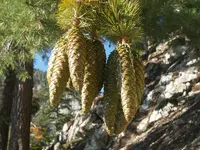
  • Collect ripe cones, extract seeds, and cold stratify them for 6–8 weeks at about 34–41°F in moist medium.
  • Sow in late winter to early spring in a free-draining, slightly acidic mix, just covering the seeds.
  • Maintain bright light, gentle air movement, and even moisture, avoiding waterlogging that promotes damping-off disease.
  • Grow seedlings on in containers for 1–2 years before field planting, hardening them off to sun and wind gradually.

Pinus patula is only moderately frost tolerant and needs protection in regions with hard freezes.

  • In areas below about 20–25°F, treat as a tender tree or container specimen and provide sheltered siting.
  • Mulch the root zone with 5–8 cm of bark or wood chips, keeping mulch slightly away from the trunk.
  • Wrap young trunks with breathable tree wrap to reduce bark splitting and sunscald in freeze–thaw cycles.
  • Move container-grown plants into a cool, bright, frost-free space during the coldest months, watering sparingly.

Care Tips

Shelter From Wind

Plant young trees where they are protected from strong prevailing winds or use temporary windbreak netting for the first 3–5 years to reduce leader breakage and uneven, one-sided crowns.

Single-Leader Training

Inspect the central leader each spring and, if it forks or bends, stake and tie one straight shoot as the main leader while removing or shortening competing uprights to maintain a strong vertical trunk.

Wide Staking Method

If staking is needed, use 2–3 stakes placed outside the root zone and connect them with soft, flexible ties, allowing a little trunk movement so the tree develops a sturdy root system and taper.

Mulch For Root Health

Apply a 5–8 cm layer of coarse bark mulch in a broad ring, keeping it 5–10 cm away from the trunk, to moderate soil temperature, conserve moisture, and reduce mower or string-trimmer damage to surface roots.

Preventing Needle Diseases

In humid or rainfall-prone areas, space trees generously for airflow, avoid overhead irrigation, and remove fallen needles from around the base to lower the risk of fungal needle blights when caring for Mexican Weeping Pine.

Common Pests and Diseases

Sirex woodwasp

This pest is a wood-boring wasp whose larvae tunnel deep into the trunk and larger branches, often causing rapid decline and death in stressed trees. Symptoms include yellowing needles, sudden wilting, resin beads, and small round exit holes in the bark.

Solution

Remove and destroy heavily infested or dying trees promptly to reduce breeding sites, and avoid mechanical or drought stress that weakens trees. In forestry or larger plantings, use traps and, where available, biological control agents such as nematodes or parasitoid wasps; for landscape trees, focus on early detection, sanitation, and maintaining vigorous growth through proper watering and reduced crowding.

Pine woolly aphid

These insects feed on sap along shoots and needles, producing white, wool-like wax and sticky honeydew that can lead to sooty mold. Symptoms include distorted new growth, needle yellowing, and reduced vigor, especially on young trees or those planted in sheltered, warm sites.

Solution

Prune and dispose of heavily infested shoots and rinse accessible foliage with a strong stream of water to dislodge aphids. Encourage natural predators such as lady beetles, avoid excess nitrogen fertilization that promotes soft growth, and, for persistent heavy infestations, use a horticultural soap or light horticultural oil applied thoroughly to the affected areas.

Pitch canker

This disease is caused by the fungus Fusarium circinatum and leads to resin-soaked cankers on shoots and branches, tip dieback, and heavy resin exudation. Symptoms include browning and death of branch tips, often scattered throughout the crown, and sometimes resin droplets or sunken lesions on stems.

Solution

Prune out affected shoots and branches well below visible cankers during dry weather, disinfecting tools between cuts with alcohol or a 10% bleach solution. Avoid wounding trunks and branches, do not move infected plant material or seed, and favor planting stock from disease-free nurseries; in high-risk areas, reduce stress through appropriate watering and spacing to improve airflow.

Needle blight

This disease, commonly caused by fungi such as Lecanosticta acicola (brown spot needle blight), affects needles of all ages and can lead to partial defoliation. Symptoms include tan to brown spots with darker borders on needles, progressing to complete browning and premature needle drop starting in the lower crown.

Solution

Collect and destroy fallen needles to reduce fungal spore levels and improve air circulation by thinning nearby vegetation. Avoid overhead irrigation, especially late in the day, and in high-value trees consider a preventive fungicide program timed to new needle growth, following local extension guidelines.

Armillaria root disease

This disease is caused by Armillaria fungi that attack roots and lower stems, particularly in poorly drained or previously forested soils, leading to gradual decline. Symptoms include thinning crowns, reduced growth, excessive resin at the base, white fungal mycelium beneath the bark at the root collar, and sometimes honey-colored mushrooms near the trunk in wet seasons.

Solution

Remove severely affected trees including as much of the major root system as practical, and avoid replanting susceptible conifers immediately in the same spot. Improve site drainage, reduce soil compaction, and maintain tree vigor with proper watering and spacing; in mixed plantings, consider using less-susceptible species if the site has a known Armillaria history for long-term Pinus patula care.

Interesting Facts

High-altitude cloud forests

This species is native to cool, moist mountain slopes in Mexico, where it often grows in misty cloud forests between roughly 1,800–2,700 m and tolerates frequent fog and low-intensity light.

Exceptionally long needles

It has some of the longest needles among commonly cultivated pines, typically arranged in bundles of 3, creating a soft, pendulous crown that distinguishes it from stiffer-needled species.

Aggressive colonizer abroad

Outside its native range, especially in parts of Africa and South America, it has become invasive in some montane grasslands and heathlands, forming dense stands that outcompete local vegetation and alter fire regimes.

Botan icon

Did you know?

This species has been extensively used in tree-breeding programs and commercial plantations worldwide because of its very fast juvenile growth and relatively light, workable wood, making it important for pulp, timber, and reforestation in subtropical highland regions.

FAQs about Mexican Weeping Pine

This species is generally fast-growing, often adding 45–90 cm in height per year in suitable climates. Growth slows with age. Adequate space, light, and moisture are important if you want to grow Pinus patula vigorously.

Grow Healthy Plants with Botan Care

Keep your plants happy and healthy with plant identification, disease detection, and easy care guidance.

Botan plant care app — identify plants on mobile

Explore More Plants