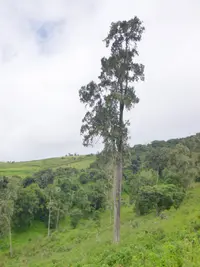
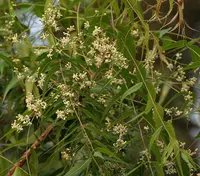
Bradford Pear Care (Pyrus calleryana 'Bradford')

Also known as: Callery Pear, Flowering Pear
Bradford Pear

About Bradford Pear

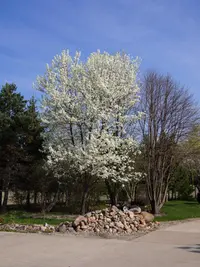
Pyrus calleryana 'Bradford', commonly called Bradford pear, is a fast-growing ornamental tree valued for its dense, symmetrical crown and heavy spring flowering. It produces clouds of white blossoms, glossy green summer foliage, and noticeable fall color, so it is often planted in streetscapes and residential yards.

This cultivar originates from East Asia but has been widely used in North American urban and suburban landscapes. It is hardy and adaptable, yet prone to weak branch structure and storm damage, which can affect its long-term reliability.

The tree tolerates a range of soils and urban conditions, making it relatively easy to establish. Understanding how to care for Bradford Pear starts with providing full sun, moderate moisture, and enough space for its mature canopy and roots.

Main Plant Requirements

Care Difficulty

Easy Care

Light Preference

Full Sun

Water Requirements

Moderate Water

Temperature Preference

Cold Hardy

Hardiness Zone

5–9

Soil Texture

Sandy, Loamy, Clay

Soil pH

Acidic (5.5–6.5), Slightly acidic (6.5–7.0)

Soil Drainage

Well-drained

Fertilization

Minimal (feed rarely)

Get Personalized Care Plan

Scan your plant to receive care tips personalized for your specific plant

Available on iOS and Android

How to Care for the Bradford Pear

This deciduous tree prefers full sun but tolerates some light shade in hotter regions.

  • Provide 6–8 hours of direct sun daily; morning sun with light afternoon shade reduces leaf scorch in hotter climates.
  • Tree tolerates light, open shade for part of the day, but flowering and fall color decline if daily sun drops below about 4–5 hours.
  • Avoid dense shade from buildings or large trees, which leads to thin canopies and weak branching; in winter, unobstructed light supports stronger bud formation.

This species prefers evenly moist, well-drained soil once established.

  • During the first 2–3 years after planting, water when the top 5–8 cm of soil feels dry, applying a deep soak to wet the root zone 20–30 cm down.
  • Mature trees usually rely on rainfall; in drought, water deeply every 10–14 days if leaves wilt, curl, or dull in color, then recover at night.
  • Ensure soil drains freely; standing water, sour smell, or dieback of fine roots suggests overwatering, while crispy leaf edges and early leaf drop indicate drought stress in Pyrus calleryana 'Bradford'.

This hardy ornamental pear tolerates a wide range of outdoor temperatures in temperate climates.

  • Ideal growing temperatures are about 60–80°F (16–27°C) in spring and early summer, supporting steady shoot and root growth.
  • Dormant trees handle winter lows near 0°F (−18°C) once established, but young trees benefit from protection from drying winter winds.
  • Short periods above 90°F (32°C) are tolerated if soil moisture is adequate; prolonged heat with drought can cause leaf scorch and reduced flowering the next season.

Humidity is not a significant factor for outdoor cultivation of Pyrus calleryana 'Bradford' in typical temperate climates.

Pyrus calleryana 'Bradford' grows best in structured, well-aerated landscape soil with reliable drainage.

  • Aim for a loamy to sandy loam texture that does not stay waterlogged after rain.
  • Maintain slightly acidic to neutral pH, roughly 6.0–7.5, to support balanced nutrient uptake.
  • In compact or heavy clay sites, amend the top 30–40 cm with coarse sand and compost to improve structure and drainage.
  • Avoid planting in depressions or areas with standing water, as prolonged saturation increases root rot risk.

This species is generally unsuited to long-term container growing due to vigorous root and canopy size.

This ornamental pear tolerates poor soils and usually needs only light feeding once established.

  • Use a balanced slow-release granular fertilizer (around 10-10-10) or a thin layer of compost in early spring before new growth starts.
  • Apply once per year for typical landscape trees; young or stressed Bradford Pear specimens may benefit from a second, light mid-spring feeding.
  • Keep products off the trunk, broadcasting over the root zone, and water in thoroughly to move nutrients into the upper soil layer.
  • Avoid fertilizing in late summer or winter to prevent tender, frost-sensitive growth; if using liquid feeds, apply at half strength only during active growth.

Thoughtful pruning is important for Pyrus calleryana 'Bradford' to reduce weak branch structure and storm breakage.

  • Schedule structural pruning in late winter to very early spring, before bud break, using sharp bypass pruners and a clean pruning saw.
  • Remove dead, diseased, rubbing, or storm-damaged branches first, cutting back to healthy wood without leaving stubs.
  • Thin crowded, narrow branch crotches to encourage wider angles and a stronger framework, which lowers the risk of major limb failure.
  • Limit heading cuts and maintain a balanced canopy to manage size while preserving flowering and overall tree health.

This pear is usually field- or landscape-grown, so care focuses on transplanting young trees rather than long-term container culture.

  • Transplant in late fall or very early spring while the tree is dormant to reduce water stress and support quick root establishment.
  • Look for roots circling the nursery container or slow, weak growth as signs a young tree should be shifted from pot to ground.
  • Plant at the same depth as in the container, loosening or slicing circling roots, then backfill with native soil rather than rich potting mix.
  • Water deeply after planting, maintain consistent moisture for the first growing season, and mulch 5–8 cm over the root zone, keeping mulch off the trunk.

Propagation of Pyrus calleryana 'Bradford' is limited in home landscapes because the cultivar is typically grafted and often considered invasive in many regions.

Mature trees are generally cold hardy in typical US climates and usually need minimal winter care once established.

  • Mulch the root zone 5–8 cm deep with wood chips or bark in late fall to moderate soil temperature and moisture.
  • Avoid piling mulch against the trunk to reduce risk of rot and rodent damage during winter.
  • For young or container-grown trees, shield roots from repeated freeze–thaw by grouping pots together or placing them in a sheltered, unheated space.

Care Tips

Early structural training

In the first 3–5 years, select and keep 3–5 well-spaced main branches around the trunk and remove narrow V-shaped crotches to reduce the risk of future storm breakage.

Annual branch thinning

Each late winter, remove a portion of crowded interior twigs so light and air can reach into the canopy, which lowers disease pressure and discourages weak, overly long limbs.

Wind exposure planning

When siting new trees, avoid narrow corridors that funnel strong winds and give the tree enough space from buildings or other trees so branches have room to flex without striking structures.

Storm damage management

After storms, promptly prune back any cracked or hanging limbs to a strong lateral branch or the branch collar to prevent tearing and decay from spreading into the main trunk.

Mulch and root protection

Maintain a 5–10 cm deep mulch ring out to the dripline, keeping it 5–8 cm away from the trunk, to protect surface roots from mowers and trimmers while improving soil structure for growing Bradford Pear.

Common Pests and Diseases

Fire blight

This disease causes blackened, wilted shoots and blossoms that look scorched, often bending into a characteristic shepherd’s crook shape. Symptoms include oozing bacterial droplets from infected tissues in warm, wet conditions.

Solution

Prune out infected shoots at least 20–30 cm below visible damage during dry weather, disinfecting tools between each cut, and dispose of all infected material in the trash. Reduce soft, nitrogen-heavy growth, avoid overhead watering during bloom, and in high-risk areas consult local extension guidance on timing of copper or streptomycin sprays as part of broader Pyrus calleryana 'Bradford' care instructions.

Pear scab

This disease produces dark, velvety or crusty spots on leaves, young twigs, and fruit, which may become distorted or cracked. Symptoms include premature leaf drop in seasons with prolonged leaf wetness.

Solution

Rake and remove fallen leaves and mummified fruit in autumn to reduce the source of infection, and avoid prolonged leaf wetting by watering at soil level. In areas with a history of scab, improve air circulation by careful thinning cuts in the canopy and consider using labeled protective fungicide sprays at bud break and early leaf expansion if the disease is severe and recurring.

Pear psylla

These insects feed on sap and produce sticky honeydew that can lead to black sooty mold on leaves and branches. This pest weakens trees over time and can cause leaf yellowing, curling, and reduced vigor.

Solution

Monitor young shoots for eggs and small nymphs in early spring and wash infested areas with a firm stream of water to remove many insects. Encourage natural predators such as lady beetles, use horticultural oil during dormant or delayed-dormant periods according to label directions, and avoid excessive nitrogen fertilization that promotes lush, attractive new growth for psylla.

Leaf spot

This disease causes small, round to irregular brown or black spots on leaves, sometimes with yellow halos. Symptoms include thinning foliage and premature leaf drop, especially after wet, humid weather.

Solution

Collect and discard fallen leaves to lower the amount of fungal spores around the tree and prune to open the canopy for better airflow and faster drying. If leaf spot recurs severely every year, consider a preventative fungicide program in early spring following local extension recommendations and ensure the tree is not stressed by drought or compacted soil.

Canker

This disease produces sunken, cracked, or discolored patches on branches and trunks, sometimes with oozing sap and dieback of twigs beyond the affected area. Symptoms include sparse foliage and dead branch tips on stressed or storm-damaged trees.

Solution

Carefully prune out affected branches several inches below visible canker margins during dry weather, disinfecting tools between cuts and discarding all infected wood. Reduce stress by proper watering during drought, avoid trunk wounds from mowers or string trimmers, and consider consulting a certified arborist if cankers are extensive or near the main trunk.

Interesting Facts

Notorious branch breakage

This cultivar develops a very dense, upright crown with many narrow branch angles, which makes mature trees structurally weak and prone to splitting during storms or under heavy ice loads.

Sterile turned invasive

It was originally promoted as sterile, but cross‑pollination with other callery pear cultivars produces viable seeds that birds disperse, leading to invasive callery pear thickets in many parts of the eastern and central United States.

Strong but foul blossom scent

The abundant white spring flowers have a noticeable scent often described as unpleasant due to specific volatile compounds, yet they still attract a wide range of early-season pollinating insects.

Botan icon

Did you know?

This cultivar became one of the most heavily planted street trees in many US suburbs from the 1960s through the 1980s, shaping entire neighborhood streetscapes before its structural weakness and invasive behavior led many cities to phase it out and even ban new plantings.

FAQs about Bradford Pear

Poor flowering often results from excessive shade, heavy pruning the previous summer, or late frost damage to buds. Nutrient-rich but not overly fertilized soil and minimal pruning after midsummer usually support reliable spring blossom production.

Grow Healthy Plants with Botan Care

Keep your plants happy and healthy with plant identification, disease detection, and easy care guidance.

Botan plant care app — identify plants on mobile

Explore More Plants