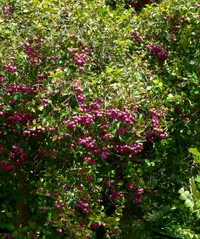
Neem Tree Care (Azadirachta indica)

Also known as: neem, Nim
Neem Tree

About Neem Tree

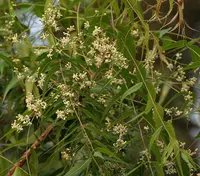
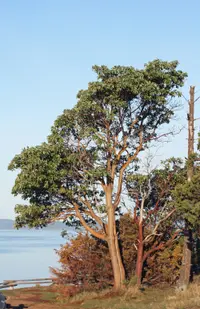
The neem tree, Azadirachta indica, is a fast-growing evergreen tree valued for its dense canopy and aromatic foliage. It typically has a straight trunk, spreading branches, and many small, serrated leaflets.

In nature it occurs across the Indian subcontinent and has been introduced to many tropical and subtropical regions. It is adapted to hot, dry climates and poor, well-drained soils, which makes it drought-tolerant once established.

This species can be challenging outside warm climates, as it dislikes cold, prolonged shade, and waterlogged conditions. Those factors are central to how to care for Neem Tree in home gardens or containers.


Main Plant Requirements

Care Difficulty

Moderate Care

Light Preference

Full Sun

Water Requirements

Moderate Water

Temperature Preference

Tropical / Frost Sensitive

Hardiness Zone

10–12

Soil Texture

Sandy, Loamy, Organic-rich

Soil pH

Acidic (5.5–6.5), Slightly acidic (6.5–7.0)

Soil Drainage

Well-drained

Fertilization

Minimal (feed rarely)

Get Personalized Care Plan

Scan your plant to receive care tips personalized for your specific plant

Available on iOS and Android

How to Care for the Neem Tree

This sun-loving tree thrives in bright, warm climates with long daylight exposure.

  • Provide 6–8 hours of direct sun daily; full sun from morning to mid-afternoon supports dense foliage and faster growth for a Neem Tree.
  • Young trees tolerate light partial shade, but prolonged shade causes sparse branching, slow growth, and pale, thin leaves.
  • In very hot, arid regions, protect from intense late-afternoon sun with light shade cloth or neighboring plants to reduce leaf scorch and moisture stress.

This drought-tolerant species prefers deep, infrequent watering once roots are established.

  • Water newly planted trees when the top 5–8 cm of soil are dry, giving a slow, deep soak so moisture reaches the full root zone.
  • For mature Azadirachta indica, allow soil to dry clearly between waterings; in most warm climates this means watering mainly during extended dry periods.
  • Use well-drained, sandy or loamy soil; persistent sogginess, yellowing leaves, and dieback indicate overwatering, while crisp leaf edges and early leaf drop suggest underwatering.

This tropical tree grows best in consistently warm, frost-free conditions.

  • Aim for 70–95°F (21–35°C) for active growth, which supports steady leaf production and healthy branching.
  • Avoid temperatures below 40°F (4°C); brief exposure near this level can cause leaf drop, while hard frost can kill young trees to the ground.
  • The tree tolerates dry heat up to about 100–105°F (38–41°C) if soil moisture is adequate, but cool, wet seasons greatly slow growth and increase stress.

This species grows best in relatively dry to moderately humid air and is quite tolerant of household conditions.

  • Aim for 30–50% humidity; avoid prolonged levels above 70%, which can favor fungal leaf spots.
  • Dry indoor air is usually acceptable, but extreme dryness may cause leaf tip browning and marginal curl.
  • If leaves show stress in very dry climates, group the Neem Tree with other plants or place a tray of water and pebbles nearby to slightly raise humidity.

This species prefers light, well-aerated soil that drains quickly yet does not become bone-dry instantly.

  • Use a sandy or sandy-loam mix for Azadirachta indica, such as 50% cactus mix blended with 30% coarse sand and 20% compost.
  • Ensure sharp drainage; excess water should pass through within seconds rather than pooling on the surface.
  • Aim for slightly acidic to neutral pH around 6.0–7.5, avoiding highly acidic or strongly alkaline mixes that limit nutrient uptake.
  • Improve aeration by adding coarse sand or fine bark chips and avoid dense clay-based garden soil that compacts in pots.

This tree can be grown in containers when given a deep, stable pot and careful watering management.

  • Choose a heavy, deep container that resists tipping as the canopy becomes larger and more wind-sensitive.
  • Select a pot depth that allows a strong taproot to develop, usually at least 30–40 cm for long-term growth.
  • Use a free-draining mix and raise the pot slightly on feet or bricks so drainage holes never sit in standing water.

This drought-tolerant tree needs modest feeding, especially when grown in containers as a Neem Tree.

  • Use a balanced, slow-release fertilizer (for example 10-10-10) or well-matured compost in spring.
  • Feed container plants every 6–8 weeks during the warm growing season only.
  • Apply at 1/2 strength for liquid feeds to avoid salt buildup in the root zone.
  • Stop feeding in late fall and through winter when growth slows or stops.

Pruning supports a healthy, open crown and manageable size in Azadirachta indica.

  • Carry out main structural pruning in late winter or early spring before vigorous growth starts.
  • Remove dead, diseased, crossing, or storm-damaged branches with clean, sharp bypass pruners or a saw.
  • Thin crowded interior shoots to improve light penetration and air movement through the canopy.
  • Shorten overly long branches to shape the tree, cutting back to a lateral branch or bud.

This species is usually grown in the ground, so focus on careful transplanting or early container up-potting.

  • Transplant young trees in late spring or early summer once soil is warm and frost risk has passed.
  • Move if roots circle the pot, emerge from drainage holes, or growth slows despite good care.
  • Shift to a container 1–2 in wider, using well-drained, sandy mix to limit waterlogging stress.
  • Water thoroughly after moving, then keep evenly moist and shaded for 1–2 weeks to reduce transplant shock.

New Azadirachta indica plants are most often raised from fresh seed under warm conditions.

  • Collect ripe seeds and sow soon after harvest, as viability drops quickly in storage.
  • Sow in a free-draining, sandy mix and keep at 75–85°F with consistent, light moisture.
  • Provide bright, indirect light and good air circulation to limit damping-off in seedlings.
  • Semi-ripe cuttings can root with hormone and bottom heat, but success rates are usually lower than seeds.

This tropical tree is frost-sensitive and needs protection in regions with cold winters.

  • In ground, it suits frost-free or very mild climates; young trees can be damaged near 32°F.
  • Mulch the root zone with 5–8 cm of organic material, keeping mulch away from the trunk.
  • Move container plants indoors or into a heated greenhouse before night temperatures drop below 45°F.
  • Indoors, give maximum light and reduce watering so the soil dries slightly between waterings.

Care Tips

Root pruning schedule

In containers, plan to root prune every 2–3 years in late spring by gently lifting the tree, trimming back the outer 2–3 cm of the root ball, and replanting in fresh mix to keep growth vigorous and prevent it from becoming pot-bound.

Salt and wind management

If grown outdoors in coastal or exposed sites, use a windbreak hedge or temporary shade cloth barrier during the first 2–3 years to reduce salt-laden wind scorch and trunk desiccation while the tree establishes.

Trunk protection practice

In very hot, reflective sites, paint the lower trunk with a 1:1 mix of interior white latex paint and water to reduce bark temperature and prevent sunscald on young trees.

Container stabilizing method

For tall container specimens, place the pot inside a heavier outer container or anchor it with bricks around the base to prevent tipping in gusty conditions and to protect brittle young branches.

Targeted pest scouting

Inspect the undersides of leaves and tender new growth every 1–2 weeks with a hand lens, and rinse foliage with a firm stream of water at the first sign of scale, mites, or sooty mold as part of systematic caring for Neem Tree without relying solely on chemical treatments.

Everything About Neem Tree

Common Pests and Diseases

Scale insects

This pest feeds on sap and often appears as small, immobile brown or gray bumps along young stems and leaf veins. Symptoms include sticky honeydew, black sooty mold on leaves, and gradual yellowing or dieback of twigs.

Solution

Prune and destroy heavily infested twigs, then wipe remaining colonies with a cotton pad dipped in diluted alcohol or insecticidal soap, making sure to cover stems and leaf undersides. For larger trees outdoors, encourage natural predators like lady beetles and apply horticultural oil during cooler parts of the day, repeating as needed according to Neem Tree care instructions.

Leaf spot

This disease causes small brown to black lesions on leaf blades that can merge into larger irregular patches, sometimes with a yellow halo. Symptoms include premature leaf drop on stressed or densely planted trees, especially during warm, humid weather.

Solution

Remove and dispose of fallen and heavily spotted leaves to reduce the source of infection, and avoid overhead watering to keep foliage dry. Improve airflow by light thinning of the canopy, and in severe, recurrent cases use a labeled copper or other fungicidal spray during early symptom development, following local regulations and product directions.

Powdery mildew

This disease produces a white to gray, powdery coating on young leaves, shoots, and sometimes flowers, which may curl, distort, or grow poorly. Symptoms include reduced vigor and a thin, pale canopy, particularly in shaded, humid conditions with poor air movement.

Solution

Increase sun exposure and airflow around the tree by selective pruning and avoiding overcrowding with nearby plants. Remove and discard heavily affected shoots, and if needed apply a sulfur or potassium bicarbonate fungicide on new growth at the first sign of infection, repeating according to label directions.

Bark canker

This disease forms sunken, dead patches on branches or the main stem, sometimes with cracking bark and gumming around the affected area. Symptoms include dieback of twigs beyond the canker and overall decline if lesions girdle a major limb or trunk.

Solution

Cut out affected branches several inches below visible symptoms, sterilizing tools between cuts with alcohol or a 10% bleach solution, and dispose of diseased material away from the site. Reduce plant stress by maintaining moderate, consistent watering and avoiding trunk injuries, and in young plantings consider wound-protective measures such as guards to prevent mechanical damage.

Caterpillar defoliation

These insects feed on Azadirachta indica foliage, often consuming entire leaflets and leaving only midribs on young trees. Symptoms include sudden thinning of the canopy and visible green or brown larvae on branches and leaf clusters, especially during flushes of new growth.

Solution

Handpick and destroy caterpillars on small or young trees and prune out highly infested branch tips. For larger or repeated outbreaks, apply a biological control such as Bacillus thuringiensis (Bt) to young larvae in the evening, and encourage birds and predatory insects by maintaining plant diversity around the site.

Interesting Facts

Natural insect deterrent

The seeds and leaves of Azadirachta indica contain azadirachtin and related compounds that disrupt insect growth and feeding, which is why neem-based extracts are widely used in integrated pest management as botanical insecticides with relatively low non-target toxicity when used correctly.

Drought-adapted tree

This species develops a deep root system and small, thick leaflets that reduce water loss, allowing mature trees to tolerate long dry seasons in semi-arid tropical regions once established.

Soil-improving foliage

Fallen neem leaves decompose slowly and add organic matter to poor soils, and their relatively low palatability to many herbivores helps maintain a protective litter layer around the tree.

Botan icon

Did you know?

Azadirachta indica is believed to have originated in the Indian subcontinent but has been widely introduced throughout tropical Africa, the Caribbean, and parts of the Americas, where in some regions it is now considered both a valuable multipurpose tree and, when unmanaged, a potentially invasive species due to its prolific seed production and tolerance of harsh conditions.

FAQs about Neem Tree

Growth is moderate when young, often 30–60 cm per year in warm climates with a long growing season. Poor soil, cool temperatures, drought during establishment, or root restriction in pots can slow extension growth significantly.

Grow Healthy Plants with Botan Care

Keep your plants happy and healthy with plant identification, disease detection, and easy care guidance.

Botan plant care app — identify plants on mobile

Explore More Plants