Neem Tree Identification (Azadirachta indica)

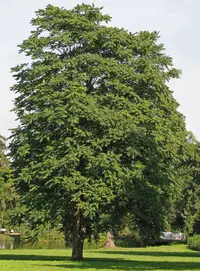
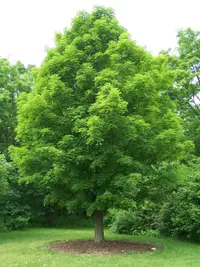
Recognize Azadirachta indica by its long, alternate compound leaves, each with many narrow, serrated leaflets, and by its upright trunk with gray-brown, fissured bark. The crown is broad and rounded.

A mature tree commonly reaches 40 to 65 feet (12 to 20 m) tall and carries small, white, five-petaled flowers in branched clusters.

Azadirachta indica Identification

Check Your Plant ID

Upload a clear image to check whether your plant ID is correct.

Clear images work best. Avoid photos taken too close or too far away

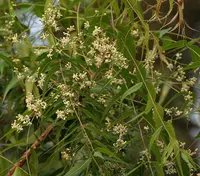
Check the overall leaf pattern, flowers, and fruit of Azadirachta indica.

  • Leaves are alternate and once-pinnate, usually 8-16 inches (20-40 cm) long.
  • Each leaf carries many narrow leaflets, often 20-30, with sharply toothed edges and pointed tips.
  • The crown is broad and rounded, with many spreading branchlets that give a fine, airy outline.
  • Flowers are small, white, and star-like, held in loose hanging clusters rather than singly.
  • Fruits are smooth, oval drupes about 1/2-3/4 inch (1.2-2 cm) long, turning yellow when visible.

A quick count of the many toothed leaflets is often the fastest visual check.

Azadirachta indica shows clear visual shifts from sapling form to flowering and fruiting structure.

  • Young plant: Young plants are upright and lightly branched, with a slender green stem and relatively large, soft compound leaves that can look oversized for the plant.
  • Mature plant: The crown becomes broader and more irregular, with a sturdier trunk, rougher bark, and dense branching. Leaves typically reach about 8-16 inches (20-40 cm) long.
  • Flowering stage: Flowering branches carry many small white flowers in loose hanging clusters, adding a fine-textured, airy look that is absent on nonflowering plants.
  • Fruiting stage: After flowering, the clusters shift to smooth oval drupes that turn yellowish as they ripen, making the branch tips appear heavier and more pendant.

In warm climates, Azadirachta indica may stay leafy year-round, but it often sheds part or most of its foliage in the dry season. This can briefly expose the branching pattern and rough gray-brown bark before new leaves emerge. Small white flower clusters are most noticeable in spring, followed by green fruits that ripen to yellow later in the season. These shifts can help separate it from similar evergreen trees.

Several Meliaceae trees can be mistaken for Azadirachta indica at a glance.

chinaberry(Melia azedarach)

Often confused because both are medium to large trees with divided leaves. Chinaberry usually has twice- or three-times-divided leaves, giving a more feathery look, and it bears round yellow berries; neem leaves are usually once-pinnate, and its fruit is an olive-like drupe.

curry leaf tree(Murraya koenigii)

Confusion happens when young plants show similar pinnate leaves. Curry leaf tree is usually a much smaller tree or large shrub, with smaller, smoother-edged leaflets and clusters of small black berries; neem grows larger and has more distinctly toothed leaflets.

Azadirachta indica is native to the Indian subcontinent, especially India, Nepal, Pakistan, Bangladesh, and Sri Lanka. It occurs naturally in tropical and subtropical dry forests, open woodland, and scrub, often in lowland areas. This habitat context helps with identification because neem is most likely to be encountered as a naturalized or planted tree in seasonally dry, disturbed landscapes rather than rainforest or wetland settings. In its native range, it is commonly associated with hot plains and open sites.

  • Seed oil ingestion: Neem seed oil and seeds are toxic if swallowed by humans, especially children. Reported poisoning is linked to ingestion, not normal handling.
  • Pets: In dogs and cats, ingestion of neem seeds or neem oil can cause poisoning. The concern is ingestion of seed-derived parts, not skin contact with the tree.

Confirm It from a Photo

Upload a clear photo to Botan to identify the plant or verify your ID before you label it or compare similar species.

FAQ

A quick Neem Tree identification check is the foliage: long, pinnate leaves with many sharply toothed leaflets, often paired along a central stalk, on a medium to large tree with gray-brown bark and a rounded crown.

More Plant Identification Guides

Scan Your Plant. Get the Details.

Use Botan to identify it from a photo, then see plant details, care information, and common problems.

Botan app identifying a plant from a photo
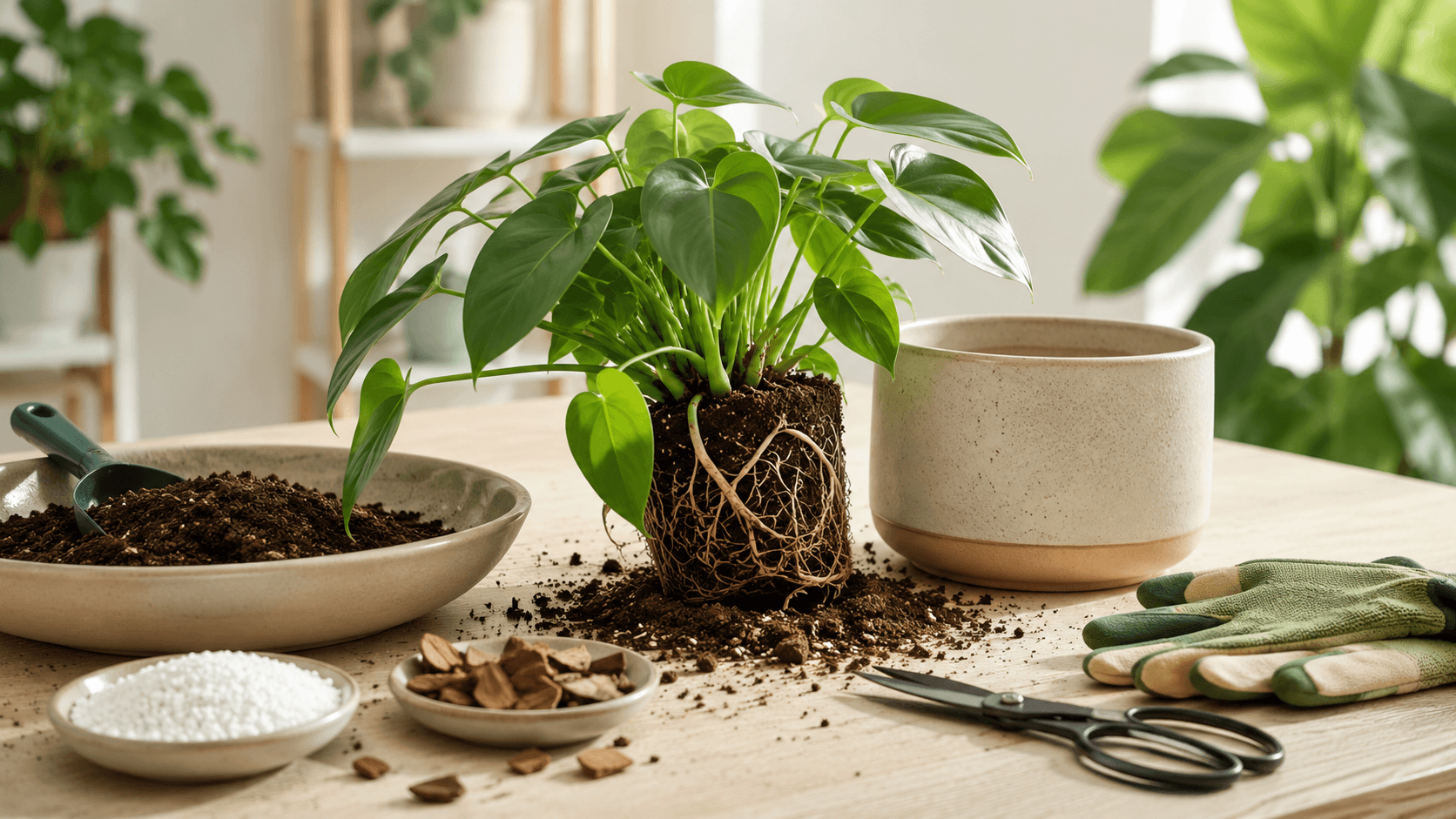
How to Repot a Plant: A Step-by-Step Guide

7 min read · 28 May 2026

How to Repot a Plant: A Step-by-Step Guide

In spring, many plants need repotting—an essential part of care. To avoid stress, consider the plant’s type and size. This article offers a step-by-step guide for repotting indoors or outdoors and shows how to check plant health and get care tips using the Botan app.

Plant Care
How to Repot a Plant: A Step-by-Step Guide
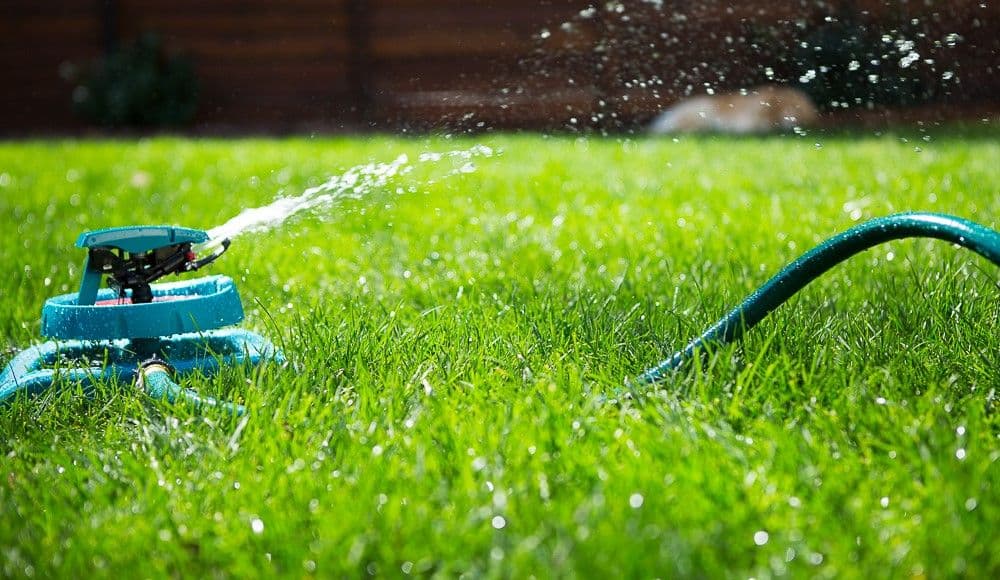
Best Time to Water Grass in Summer – Lawn Watering Tips

5 min read · 21 Jul 2026

Best Time to Water Grass in Summer – Lawn Watering Tips

Summer watering is easy to get wrong. This guide explains when to turn on your sprinkler, how much liquid your grass needs each week, and how to tell if you're overwatering or underwatering.

Plant Care
Best Time to Water Grass in Summer – Lawn Watering Tips
Is Sugar Water Good for Plants?

4 min read · 14 Sept 2026

Is Sugar Water Good for Plants?

Sugar water may sound like an easy boost, but most rooted plants do not need extra sucrose. This guide explains how green tissues produce carbohydrates, when a sweetened solution can be useful, and why too much can cause problems.

Plant Care
Is Sugar Water Good for Plants?