


7 min read · 24 Aug 2026
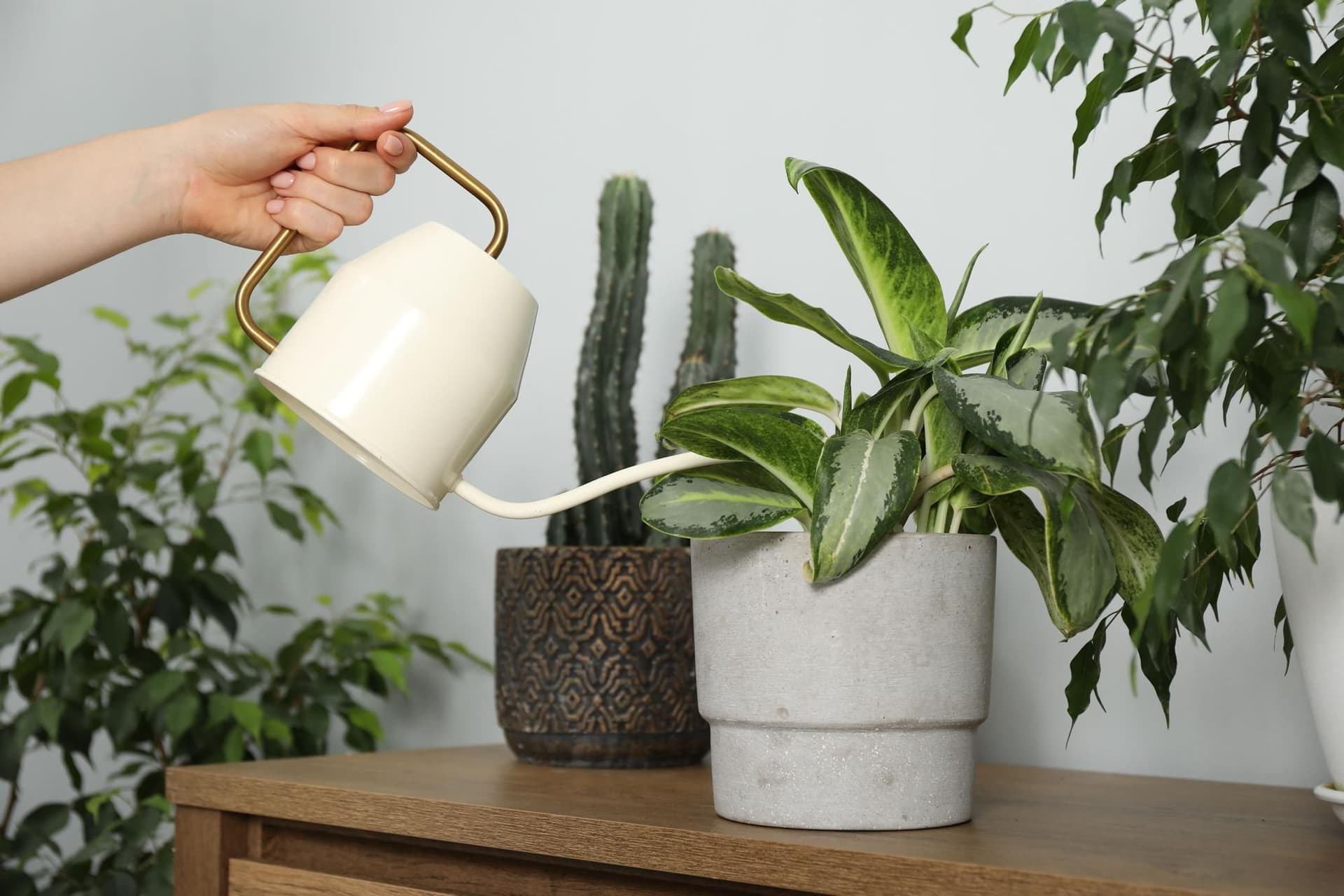
How to Water Houseplants: Watering Guide
Learn how often to water indoor plants, key factors for proper watering, and how to adjust the care routine by plant type, season, pot size, light, and indoor conditions.
Plant Care


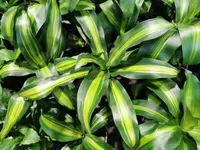
To recognize Dracaena fragrans, look for a cane-like trunk with ringed leaf scars and dense rosettes of arching, strap-shaped leaves at the stem tips. Leaves are usually 1 to 2 feet long (30 to 60 cm) and several inches wide.
Mature plants may also produce drooping clusters of small, tubular white flowers.
Take a photo and use Botan to confirm your plant identification.
Clear images work best. Avoid photos taken too close or too far away
Check the overall cane-and-rosette form first.
A bare lower cane with leafy crowns at the top is a strong visual clue.
Dracaena fragrans shows clear age-related changes in stem structure, branching, and flowering habit.
Corn Plant is often sold in several stable foliage forms that are easy to separate at a glance.
The main seasonal clue in Dracaena fragrans is flowering. Mature plants may produce a tall flower stalk, often in late fall through winter indoors, carrying many pale, tubular blooms that open in clusters and are strongly fragrant. After bloom, the stalk gradually dries and may leave small orange-red berries on pollinated plants. The leafy rosettes and bare cane-like stems otherwise stay much the same through the year.
A few cane-forming houseplants are regularly mistaken for Dracaena fragrans.
striped dracaena(Dracaena deremensis group)
Confused because both have arching strap-like leaves in rosettes on canes. Striped dracaena usually has narrower leaves and stronger lengthwise striping, while Corn Plant often shows broader leaves and a wider, softer arch.
spineless yucca(Yucca gigantea)
Often mistaken for it when young because both make leafy canes. Yucca has stiffer, more rigid leaves with sharper tips, and the leaves hold a tighter, more upright shape instead of arching outward.
Dracaena fragrans is native to tropical Africa, from Sudan south to Mozambique and west into Côte d’Ivoire and Angola. In the wild it is found in lowland to montane tropical forest, often in woodland edges and riverine forest. This range helps only a little with identification, but the forest setting is useful context. A dracaena growing as an understory or edge-forest plant in tropical Africa is more likely to match D. fragrans than desert, coastal, or alpine species.

What Plant Is This?
Find out what plant you have and get specific care tips
Use Botan to identify or verify your plant from a photo, which helps avoid mix-ups with similar houseplants.
Leaves form dense rosettes at the tips of the canes, not along the whole stem. They arch outward in a fountain-like cluster, with each leaf attached by a short, clasping base.
Identify a plant from a photo with Botan, then get plant details, care information, and common problems for that species.

7 min read · 24 Aug 2026
Learn how often to water indoor plants, key factors for proper watering, and how to adjust the care routine by plant type, season, pot size, light, and indoor conditions.
7 min read · 13 Aug 2026
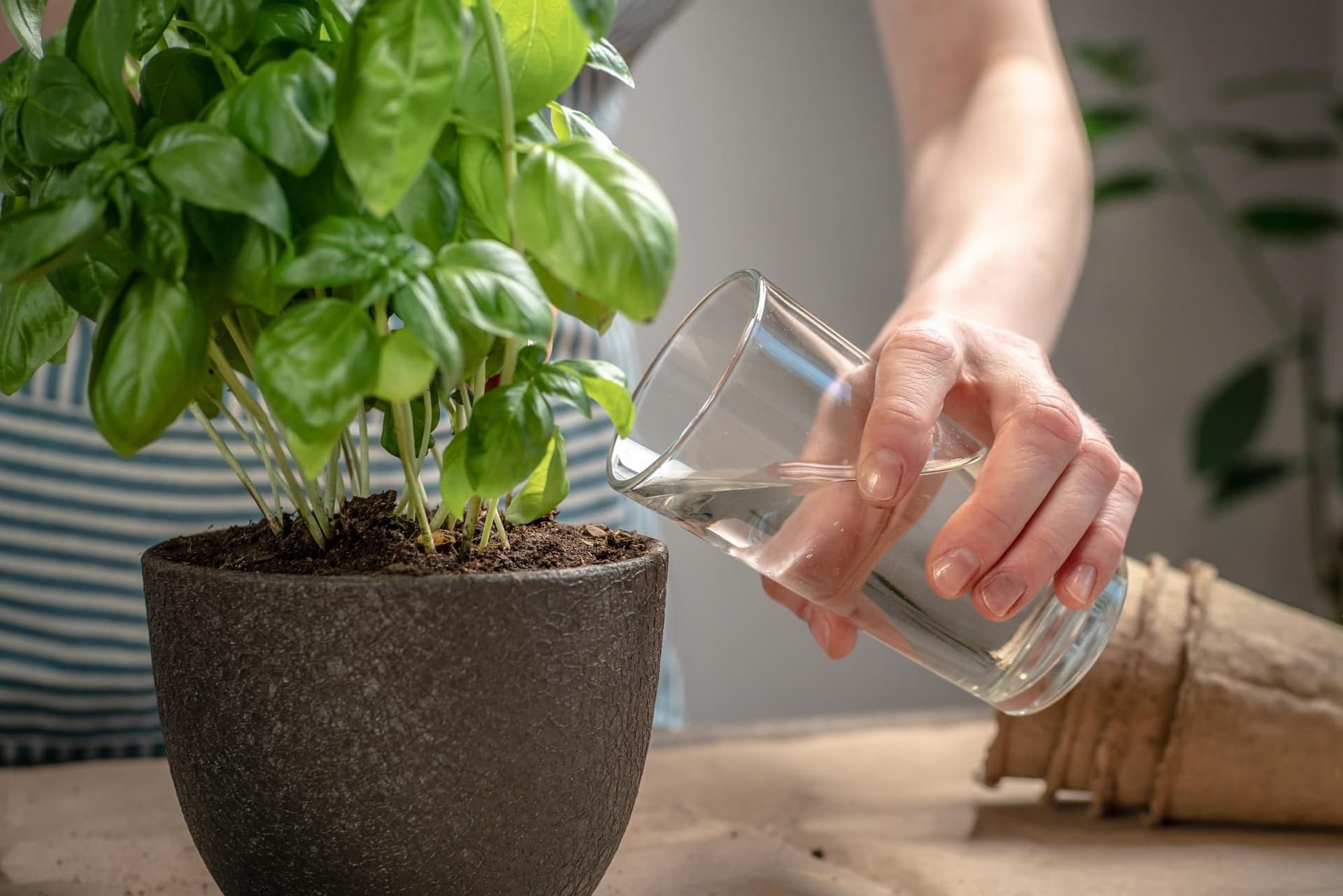
Rainwater, filtered, distilled, and tap water affect plants differently. Learn which types support healthy growth and which cause slow damage. Match each to your plants and discover how to easily improve tap water quality.
4 min read · 14 Sept 2026
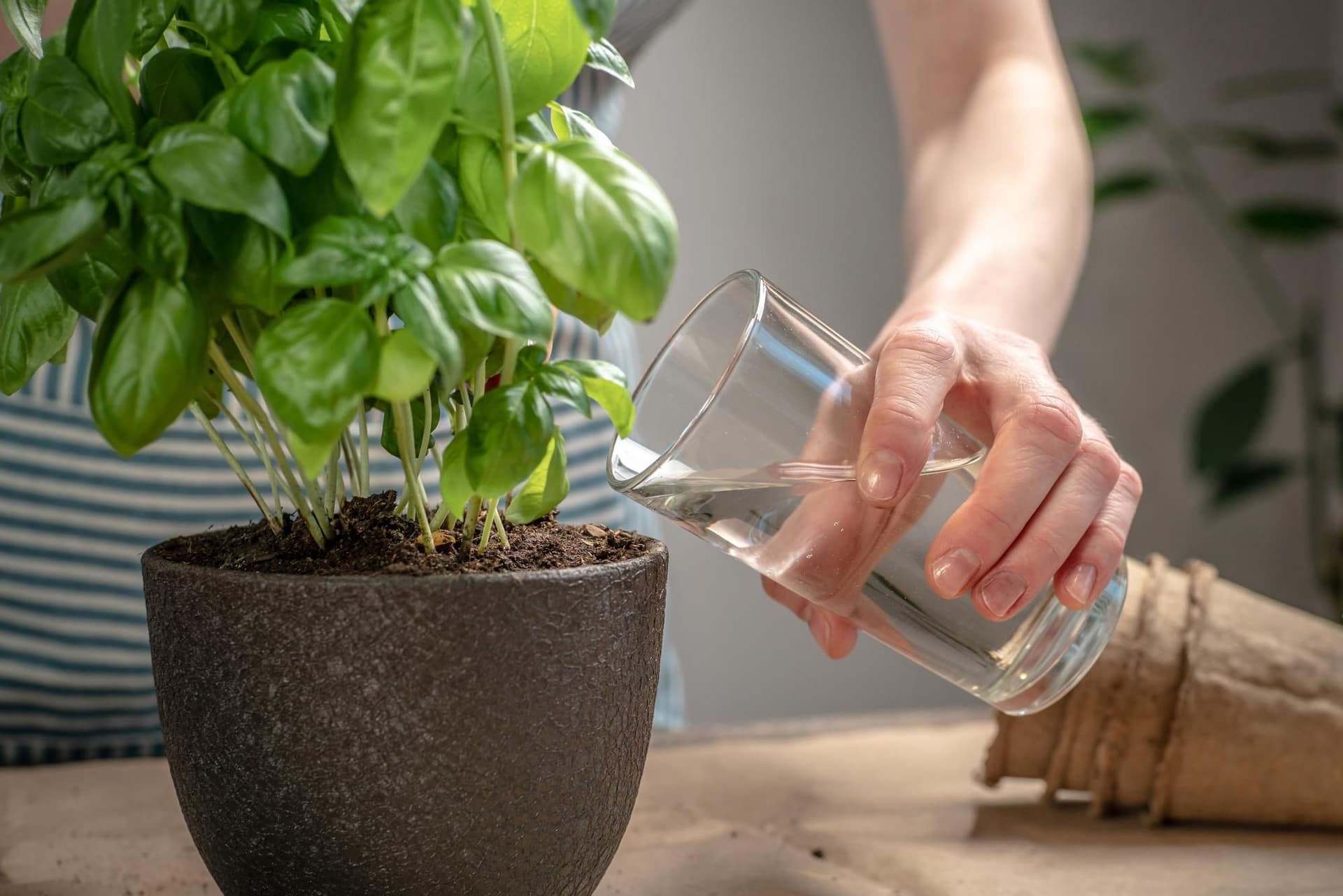
Sugar water may sound like an easy boost, but most rooted plants do not need extra sucrose. This guide explains how green tissues produce carbohydrates, when a sweetened solution can be useful, and why too much can cause problems.