Wind-stress training
Expose young plants to light, steady air movement outdoors or from a fan for 30–60 minutes daily during early growth to strengthen stems and reduce lodging in windy conditions.

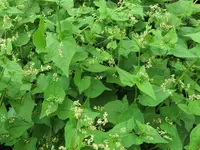
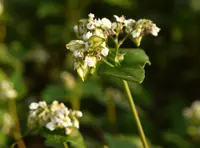
Green buckwheat, Fagopyrum tataricum, is an annual herb grown for its nutrient-rich seeds and sometimes as a cover crop or microgreen. It belongs to the knotweed family, not the true cereal grains.
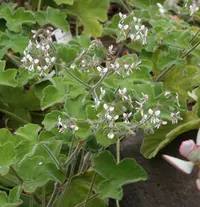
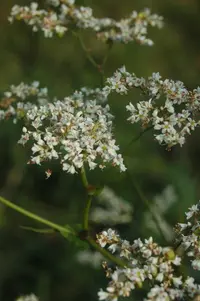
Plants are usually small and branching, with triangular leaves and clusters of small, pale flowers that mature into angular seeds. It is native to mountainous regions of Central and East Asia but is now cultivated in many temperate areas.
This species is relatively fast-growing and resilient, tolerating poor soils and cool conditions better than common buckwheat. It prefers open, sunny sites, well-drained soil, and steady moisture. These traits make basic how to care for green buckwheat concepts straightforward for most home growers.

Care Difficulty
Easy Care

Light Preference
Full Sun

Water Requirements
Moderate Water

Temperature Preference
Cool Climate

Hardiness Zone
3–7

Soil Texture
Sandy, Loamy, Silty

Soil pH
Acidic (5.5–6.5), Slightly acidic (6.5–7.0)

Soil Drainage
Well-drained

Fertilization
Minimal (feed rarely)
Scan your plant to receive care tips personalized for your specific plant
Available on iOS and Android
Fagopyrum tataricum prefers full sun but tolerates some light shade, especially in hotter climates.
This species prefers evenly moist, well-drained soil and does not tolerate prolonged saturation.
This cool-tolerant annual grows best in moderate temperatures without severe frost or extreme heat.
Humidity is not a critical factor for Fagopyrum tataricum, which handles typical indoor and outdoor levels well.
Fagopyrum tataricum prefers loose, well‑structured soil that drains freely yet holds moderate moisture.
This species can be grown in containers if the pot size and drainage are managed carefully.
Fagopyrum tataricum is a low-input crop that usually needs only modest nutrition on reasonably fertile soil.
Pruning needs for Fagopyrum tataricum are minimal and focused on cleanliness rather than shaping.
This species is usually direct-sown outdoors, so care focuses more on transplanting seedlings than on classic repotting.
Reproduction of Fagopyrum tataricum is almost always done from seed rather than vegetative methods.
This annual species does not overwinter; plants usually die back completely with hard frost.

Plant Health Check
Not sure what's wrong with your plant? Check your plant's health inside the app.
This species is native to high-altitude regions of the Himalayas and southwestern China, where it evolved under cool temperatures, intense sunlight, and poor, rocky soils, contributing to its high stress tolerance compared with common buckwheat.
Its grains contain higher levels of flavonoids such as rutin than common buckwheat, which contribute to a distinctly stronger, more bitter taste that traditionally limited its direct use in human food in some regions but made it valuable for breeding and specialty products.
Unlike common buckwheat, which is largely self-incompatible and needs cross-pollination, this species is predominantly self-fertile, so a single plant can set seed reliably even under low pollinator activity.

This species has been cultivated for centuries in harsh upland areas of Asia as a staple or famine-reserve crop because it can produce reliable yields on marginal, cold, and nutrient-poor land where many cereals fail, giving it a long history of use as a resilience crop in traditional farming systems.
This species self-seeds very freely and can form dense patches if not managed. Regularly remove spent flower heads before seeds mature, or harvest grain promptly, to prevent unwanted spread into vegetable beds or nearby wild areas.
Keep your plants happy and healthy with plant identification, disease detection, and easy care guidance.