treadsoftly Care (Cnidoscolus aconitifolius)

Also known as: tree spinach
treadsoftly

About treadsoftly

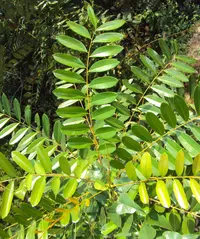
Treadsoftly, or Cnidoscolus aconitifolius, is a shrubby perennial grown mainly for its large, deeply lobed leaves and rapid, upright growth. It often forms a dense, leafy clump that can resemble a small ornamental shrub.

This species is native to Central America and is commonly grown in warm, frost-free regions. It prefers bright light, warmth, and well-drained soil, which supports fast vegetative growth.

The plant can be vigorous and resilient once established, but its stinging hairs and latex sap require careful handling. Gardeners who understand how to care for treadsoftly usually find it robust and long-lived in suitable climates.

Main Plant Requirements

Care Difficulty

Moderate Care

Light Preference

Full Sun

Water Requirements

Moderate Water

Temperature Preference

Tropical / Frost Sensitive

Hardiness Zone

9–11

Soil Texture

Sandy, Loamy, Organic-rich

Soil pH

Acidic (5.5–6.5), Slightly acidic (6.5–7.0)

Soil Drainage

Well-drained

Fertilization

Light (every 4–6 weeks)

Get Personalized Care Plan

Scan your plant to receive care tips personalized for your specific plant

Available on iOS and Android

How to Care for the treadsoftly

Cnidoscolus aconitifolius thrives in bright, warm locations with strong but not extreme sun.

  • Provide 6–8 hours of direct sun daily, ideally with morning sun and some light afternoon shade in hot climates to limit leaf scorch.
  • Tolerates partial shade (4–5 hours sun) but growth becomes more open and leaves smaller; flowering and leaf production may slow.
  • In summer, protect from harsh reflected heat; in cooler seasons, choose the sunniest spot available for more compact, leafy growth, especially when caring for treadsoftly.

Water to support vigorous growth while keeping the root zone airy and fast-draining.

  • Allow the top 3–5 cm of soil to dry before watering; in hot weather this may mean deep watering every few days in the ground, depending on soil type and rainfall.
  • Use well-drained, sandy or loamy soil so water does not pool around roots, which can cause yellowing leaves, stem rot, and leaf drop from overwatering.
  • In dry or very hot periods, drooping or curling leaves signal the need for a thorough soak; reduce frequency in cooler months when growth slows for Cnidoscolus aconitifolius.

This tropical shrub prefers consistently warm conditions and reacts poorly to cold or frost.

  • Aim for 70–90°F (21–32°C) for best growth; plants remain active and leafy through the warm season in these ranges.
  • Avoid temperatures below 50°F (10°C); brief dips near 40°F (4°C) can cause leaf yellowing, drop, and slow recovery, even if stems survive.
  • Protect from frost entirely, as freezing can kill top growth; in very hot spells above 95°F (35°C), provide some afternoon shade and maintain soil moisture to limit stress.

This species tolerates a wide humidity range and usually does not need special humidity management.

  • Aim for 30–60% humidity, similar to most indoor and outdoor household conditions in warm regions.
  • Dry air is generally tolerated, but prolonged hot, very dry winds can scorch leaf edges and tips.
  • If leaves curl or brown in extreme dryness, group plants, provide light wind shelter, or briefly mist foliage when air is very arid while caring for treadsoftly.

Cnidoscolus aconitifolius prefers fast-draining, slightly fertile soil that never stays waterlogged.

  • Use a loose, sandy or loamy structure with plenty of coarse particles so water drains freely and air reaches the roots.
  • Blend roughly 40–50% compost with 50–60% sand, perlite, or fine gravel to improve drainage and root aeration.
  • Target a slightly acidic to neutral pH around 6.0–7.0, avoiding strongly acidic or salty soils that reduce nutrient uptake.
  • Avoid heavy clay or compacted ground; if unavoidable, raise the plant in mounded beds amended deeply with coarse sand and organic matter.

This species can be grown in containers if the pot is large, heavy, and drains quickly.

  • Choose a deep container at least 40–50 cm wide so the vigorous root system can anchor the tall, shrubby top growth without tipping.
  • Use a heavier material such as clay or thick-walled ceramic to stabilize the pot against wind as the plant becomes top-heavy.
  • Fill the container with a gritty, fast-draining mix and keep the drainage holes completely clear to prevent sudden root decline after heavy rain.

Cnidoscolus aconitifolius grows well in moderately fertile, well-drained soil and usually needs only light feeding.

  • Use a balanced, diluted liquid fertilizer (for example 10-10-10 at 1/2 strength) or thin layer of compost in spring.
  • Feed every 4–6 weeks during the warm growing season if growth or leaf color is weak.
  • Avoid high-nitrogen products that cause soft, weak growth and increase pest risk.
  • Stop fertilizing in late fall and do not feed in winter dormancy for treadsoftly.

Pruning Cnidoscolus aconitifolius helps manage size, encourage branching, and maintain safe access around its irritating hairs.

  • Carry out main pruning in late winter or early spring before vigorous new growth.
  • Remove dead, damaged, crossing, or very crowded stems using clean, sharp bypass pruners.
  • Shorten overly tall shoots to shape a compact, multi-stemmed shrub and improve leaf production.
  • Wear gloves, long sleeves, and eye protection to avoid contact with stinging hairs and sap.

This species is most often grown in the ground, so care focuses on transplanting young plants rather than frequent repotting.

  • Transplant in late spring or early summer once soil is warm and frost risk has passed.
  • Look for slowed growth, roots circling the pot, or plants toppling over as signs a container seedling needs a larger space.
  • Move into a hole or pot only 1–2 sizes larger, using well-drained soil to limit waterlogging stress.
  • Water thoroughly after planting, then keep soil lightly moist and shade for 3–5 days to reduce transplant shock.

Cnidoscolus aconitifolius is commonly propagated from stem cuttings taken in warm weather.

  • Take 15–25 cm semi-woody cuttings in late spring or summer, avoiding very soft tips.
  • Allow cut ends to dry and callus for several hours before sticking to reduce rot risk.
  • Insert cuttings into a fast-draining mix, keep warm (70–85°F), and maintain lightly moist, not wet, conditions.
  • Provide bright, indirect light and good airflow until rooting, then gradually increase sun exposure.

This tropical shrub is frost-sensitive and needs protection in regions with cool or freezing winters.

  • In climates below about 40°F, grow in large containers and move plants indoors or into a heated greenhouse before first frost.
  • Where planted outdoors, apply a 5–8 cm mulch layer around the root zone, keeping it slightly away from the stems.
  • If unexpected light frost occurs, cover the canopy with frost cloth or a light blanket overnight and uncover in the morning.
  • Reduce watering in cool conditions so soil stays slightly moist, never saturated, to avoid root problems.

Care Tips

Use sturdy staking

Install a strong stake or narrow trellis early and gently tie new shoots as they elongate so the tall, brittle stems stay upright and are less likely to snap in wind or under their own weight.


Glove-safe handling

Always wear thick gloves, long sleeves, and eye protection when pruning or harvesting to avoid contact with stinging hairs and sap, and keep a dedicated set of tools just for this plant to reduce accidental skin exposure.

Regular shoot harvesting

Clip young, tender shoots and leaves every 2–4 weeks during active growth to keep the plant compact, promote bushier branching, and prevent it from becoming top-heavy and prone to stem breakage.

Wind and traffic buffer

Site plants away from narrow paths and install a low barrier or companion shrubs on the windward side so people and pets do not brush against the irritant hairs and the foliage is shielded from strong gusts.

Seasonal hard pruning

In warm climates, cut the plant back hard at the end of the cool, dry season to 30–60 cm above ground to refresh old wood, manage height, and encourage a flush of strong new stems for the next cycle of growing treadsoftly.

Common Pests and Diseases

Whiteflies

This pest often appears on the undersides of young chaya leaves, especially on plants grown in warm, sheltered spots. Symptoms include small fluttering white insects, sticky honeydew, and sooty mold on leaves.

Solution

Reduce whitefly numbers by regularly spraying the undersides of leaves with a strong stream of water and removing heavily infested leaves. If needed, use a horticultural soap or neem oil spray in the early morning, repeating every 5–7 days until populations drop, and avoid excessive nitrogen fertilization that encourages soft, tender growth.

Spider mites

These insects thrive in hot, dry conditions and can colonize the undersides of chaya leaves. Symptoms include fine webbing, tiny pale speckles, and a dull, stippled appearance on foliage.

Solution

Increase humidity around the plant by occasional overhead rinsing and hose off leaves thoroughly, focusing on the undersides. For persistent infestations, apply insecticidal soap or neem oil at labeled rates and repeat weekly until new growth appears clean, avoiding applications in direct, intense sun.

Leaf miner damage

This pest is caused by larvae tunneling inside the leaf tissue, which is common on edible chaya grown in gardens. Symptoms include irregular, pale, winding trails on leaves that may eventually dry and brown.

Solution

Prune and dispose of leaves showing fresh tunnels to remove larvae before they mature, and avoid composting infested foliage. Encourage natural predators and, if damage is heavy, protect new growth with lightweight row cover or use a targeted systemic product labeled for leaf miners, following local regulations and preharvest intervals when growing treadsoftly for food use.

Powdery mildew

This disease develops on chaya foliage in warm conditions with poor air movement. Symptoms include white, powdery patches on upper leaf surfaces, sometimes leading to yellowing and premature leaf drop.

Solution

Improve airflow by spacing plants, pruning crowded stems, and avoiding overhead watering late in the day. Remove heavily infected leaves and, if needed, apply a sulfur or potassium bicarbonate fungicide labeled for powdery mildew, starting at first signs and repeating as directed until new leaves remain clean.

Bacterial leaf spot

This disease can occur in warm, humid weather on chaya, particularly where foliage stays wet for long periods. Symptoms include small, water-soaked spots that turn dark and may develop a yellow halo before coalescing into larger dead patches.

Solution

Avoid wetting the foliage, water at soil level, and improve air circulation around the plant. Remove and discard affected leaves, disinfect pruning tools between cuts, and avoid saving seed or cuttings from badly infected plants to reduce carryover of the bacteria.

Interesting Facts

Toxic stinging hairs

This species has hollow stinging hairs that can inject irritant compounds into the skin, causing intense burning, itching, and localized inflammation on contact.

Edible only when cooked

Young leaves are eaten as a leafy vegetable in parts of Mexico and Central America, but they must be thoroughly cooked and the boiling water discarded to reduce cyanogenic compounds that can release hydrogen cyanide.

Traditional food crop

In regions such as the Yucatán Peninsula, this shrub is commonly grown near homes and used regularly as a cooked green, making it an important traditional famine and backyard food resource.

Botan icon

Did you know?

Studies on chaya, the common name for this species, have shown that processing methods like boiling or deep-frying significantly lower its hydrogen cyanide content, which is why traditional cuisines developed specific preparation techniques to make the leaves safe to eat.

FAQs about treadsoftly

All parts contain irritating sap with stinging hairs that can cause burning pain, blisters, and eye irritation. Pets, children, and adults should avoid contact and never ingest it. Wear gloves, long sleeves, and eye protection when handling.

Grow Healthy Plants with Botan Care

Keep your plants happy and healthy with plant identification, disease detection, and easy care guidance.

Botan plant care app — identify plants on mobile

Explore More Plants