Controlled root restriction
Use a relatively narrow, deep container or create a defined root zone in the ground with edging to mildly restrict roots, which encourages denser branching and more flowering rather than excessive vegetative growth.

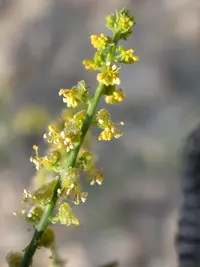
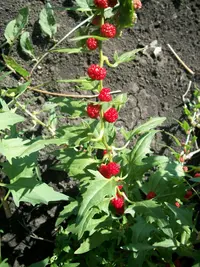
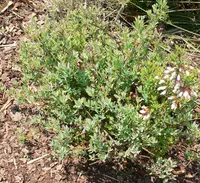
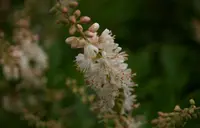
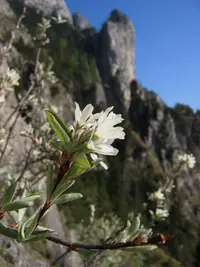
Ochradenus baccatus is a tough, evergreen shrub native to arid and semi-arid regions of the Middle East and North Africa. It often grows in rocky, salty, or disturbed soils where many other plants struggle. The plant forms a dense, much-branched mound with small, narrow, fleshy leaves and clusters of tiny yellow-green flowers, followed by small berries. Its deep root system and high drought and salt tolerance make it suitable for low-maintenance, water-wise landscapes in warm climates. For gardeners who want to care for Ochradenus baccatus, it generally prefers full sun, sharply drained soil, and only occasional watering once established.

Care Difficulty
Easy Care

Light Preference
Full Sun

Water Requirements
Low Water

Temperature Preference
Warm Climate

Hardiness Zone
9–11

Soil Texture
Sandy, Loamy, Rocky

Soil pH
Neutral (7.0), Slightly alkaline (7.0–7.5)

Soil Drainage
Well-drained

Fertilization
Minimal (feed rarely)
Scan your plant to receive care tips personalized for your specific plant
Available on iOS and Android
This desert shrub needs strong light to flower and fruit well.
This species is drought-tolerant and prefers infrequent, deep watering.
This plant is adapted to hot, arid climates and handles a broad temperature range.
This drought-adapted shrub tolerates very low humidity and usually needs no special humidity management.
This species prefers very well-drained, mineral soils that mimic rocky desert conditions.
This shrub can be grown in containers if the pot is managed to stay dry and stable for its woody root system.
This desert shrub is adapted to poor soils and usually needs minimal feeding in cultivation.
Pruning is mainly used to maintain shape and remove damaged growth on this naturally tidy shrub.
This species is most often grown in the ground, with transplanting done infrequently and only when necessary.
This shrub is typically propagated from semi-ripe cuttings or seeds under warm, bright conditions.
This drought-adapted shrub has moderate cold tolerance and usually needs little winter care in mild climates.

Plant Health Check
Not sure what's wrong with your plant? Check your plant's health inside the app.
The shrub relies heavily on frugivorous birds that eat its fleshy fruits and then disperse the seeds through their droppings, helping it colonize rocky and arid habitats across North Africa and the Middle East.
This species is a halophyte, meaning it tolerates saline conditions, and it is also highly drought-tolerant, allowing it to survive on poor, dry, and sometimes salty soils where many other shrubs cannot persist.
Its fruits and tissues contain glucosinolates, sulfur-containing compounds also found in mustard and cabbage, which can deter some herbivores and microbes but are tolerated or even preferred by certain specialized animals.

The fruits of this desert shrub display a striking division of labor between tissues: the salty, fleshy pulp can be palatable to animals, while the embedded seeds contain different chemical defenses, creating a complex interaction where some bird species selectively eat the pulp and avoid or later discard the more toxic seeds, which still end up dispersed into new sites.
This species is an evergreen shrub in its normal climate range, keeping foliage year-round rather than dropping leaves seasonally. In colder or unusually harsh conditions, it may defoliate partially, but new growth usually returns when conditions improve.
Keep your plants happy and healthy with plant identification, disease detection, and easy care guidance.