Common Buckwheat Care (Fagopyrum esculentum)

Also known as: buckwheat
Common Buckwheat

About Common Buckwheat

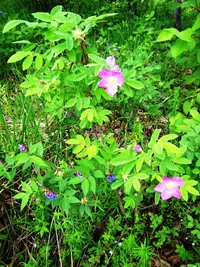
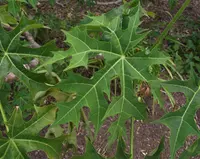
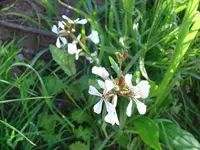
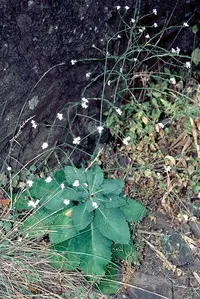
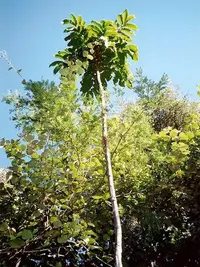
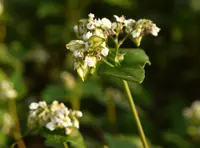
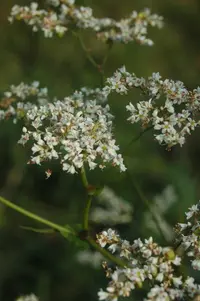
Common buckwheat, Fagopyrum esculentum, is a fast-growing annual grown mainly for its seeds and as a cover crop. It has soft, heart-shaped leaves and airy clusters of small white to pinkish flowers.

The plant typically grows in open fields and disturbed soils and is widely cultivated in temperate regions rather than found in truly wild habitats. It establishes quickly, competes well with weeds, and matures in a short season, which makes it relatively easy to manage.

Soils with good drainage and moderate fertility suit it best, and it prefers full sun with consistent but not excessive moisture. Learning how to care for Common Buckwheat is straightforward once its rapid growth and short life cycle are understood.

Main Plant Requirements

Care Difficulty

Easy Care

Light Preference

Full Sun

Water Requirements

Regular Water

Temperature Preference

Tropical / Frost Sensitive

Hardiness Zone

3–10

Soil Texture

Sandy, Loamy, Silty

Soil pH

Acidic (5.5–6.5), Slightly acidic (6.5–7.0)

Soil Drainage

Well-drained

Fertilization

Minimal (feed rarely)

Get Personalized Care Plan

Scan your plant to receive care tips personalized for your specific plant

Available on iOS and Android

How to Care for the Common Buckwheat

This fast-growing annual prefers full sun but also tolerates light shade in warm regions.

  • Provide 6–8 hours of direct sun daily; in hot summers, prioritize morning sun with light afternoon shade to reduce heat stress.
  • Allow partial shade (around 3–4 hours direct sun) in very hot climates; flowering and seed set may decrease slightly but plants stay less stressed.
  • Avoid dense shade, which leads to tall, weak stems and few flowers, and limit intense reflected heat that can scorch tender Common Buckwheat foliage.

This species needs steady soil moisture during germination and flowering but dislikes waterlogged conditions.

  • Water when the top 3–5 cm of soil feels dry, aiming for evenly moist but not saturated soil, especially in the first 3–4 weeks after sowing.
  • Ensure well-drained, loose soil; puddling or a sour smell indicates poor drainage and a risk of root decline from overwatering.
  • Reduce watering once flowering finishes and seeds fill; drooping leaves and dry, pale soil signal thirst, while yellowing, soft stems suggest excess moisture for Fagopyrum esculentum.

This warm-season annual grows best in mild to warm conditions and is sensitive to frost.

  • Aim for 65–80°F (18–27°C) during active growth; sow outdoors only after the last frost when soil has warmed consistently.
  • Protect plants from temperatures below 32°F (0°C); even light frost can kill seedlings and damage flowers or developing seed.
  • In hot spells above 86°F (30°C), flowering and seed set may drop; use slight afternoon shade or airflow to limit heat stress and wilting.

Humidity is rarely a limiting factor for Fagopyrum esculentum grown outdoors.

Fagopyrum esculentum prefers light, well-aerated soil that drains rapidly after rain or irrigation.

  • Use a sandy or loamy soil with 20–30% compost to support quick root development and nutrient uptake.
  • Aim for slightly acidic to neutral pH around 6.0–7.0 to keep nutrients available and prevent growth slowdown.
  • Improve drainage and aeration by incorporating coarse sand or fine grit, especially in heavier native soils.
  • Avoid compacted, waterlogged, or very clay-rich sites, which quickly stunt plants and increase root disease risk.

This species can be grown in containers when given enough root space and rapid drainage.

  • Choose a pot at least 25–30 cm deep to accommodate the taproot and reduce lodging from wind or top growth.
  • Use a lightweight, free-draining mix so containers do not stay heavy and saturated after summer storms.
  • Position containers where they are sheltered from strong gusts, as the tall, flexible stems can bend or break in exposed spots.

Fagopyrum esculentum is a fast-growing annual that usually needs minimal fertilization on reasonably fertile soil.

  • Before sowing, mix in a light layer of mature compost to support early growth without excessive nitrogen.
  • On poor soils, use a balanced granular fertilizer (e.g., 10-10-10) at low rate at or just before sowing.
  • Avoid mid-season feeding unless plants show clear deficiency; excessive nutrients reduce flowering and seed quality.
  • Do not fertilize in late fall or winter, as the crop completes its life cycle in one growing season.

Pruning needs for Fagopyrum esculentum are low and mainly relate to managing a short-lived field crop.

  • Pinch back very tall or leggy plants early in the season to encourage slightly bushier growth.
  • Remove badly damaged, diseased, or storm-broken stems with clean scissors or hand pruners to limit disease spread.
  • Cut whole plants at the base at flowering or seed stage, depending on harvest goal, to terminate the crop cleanly.

Common Buckwheat is typically direct-sown outdoors, so transplanting is minimal and container culture is uncommon.

  • If started in plugs or small pots, transplant seedlings outdoors after frost risk passes and when they have 2–3 true leaves.
  • Avoid letting roots circle in cells or pots; plant out while roots are firm but not pot-bound to limit transplant shock.
  • Transplant on a cool, overcast day or in late afternoon, then water thoroughly to settle soil around roots.
  • Space plants in loose, well-drained soil to allow rapid root exploration instead of frequent future moving.

Fagopyrum esculentum is almost always propagated by seed rather than vegetative methods.

  • Sow fresh seed in late spring to early summer once soil temperatures reach about 50–60°F.
  • Direct-sow into loose, well-drained soil, covering seeds about 1–2 cm deep and keeping the surface evenly moist.
  • Provide full sun and avoid waterlogging during germination; seedlings usually emerge within 5–7 days in warm soil.
  • Succession sow small blocks every 2–3 weeks if ongoing flowering or cover cropping is desired.

This warm-season annual does not overwinter; plants are killed by the first hard frost and need little winter care.

  • In cold regions, allow the first frost to naturally terminate the stand and then mow or chop residue into the soil.
  • For cover crop use, incorporate frosted plants before soil freezes to add organic matter and improve structure.
  • Container-grown plants are not typically carried through winter; re-sow from seed the following growing season.

Care Tips

Succession Sowing

Sow new rows every 10–14 days in early summer so flowering and nectar production continue over a longer period instead of one short flush.

Use As Nurse Crop

Sow buckwheat thickly over bare beds to act as a fast nurse crop that shades soil, suppresses weeds, and improves tilth before planting slower-growing vegetables or perennials.

Timely Green Manure

Mow or cut plants down just as the first seeds start to form, then lightly incorporate the soft stems into the top 5–8 cm of soil to release nutrients quickly without tough residue.

Minimal Root Disturbance

Direct-sow where plants will grow and avoid transplanting or deep hoeing nearby, since the shallow, fibrous roots are easily damaged and stress the stand.

Targeted Pollinator Support

Place plantings within 3–5 m of vegetable beds or orchards so the continuous bloom period supports bees and other pollinators that also benefit neighboring crops when growing Common Buckwheat.

Common Pests and Diseases

Blossom blight

This disease causes flowers to brown, shrivel, and drop prematurely, often leading to poor seed set. Symptoms include water-soaked spots on petals that quickly turn tan or brown in warm, humid weather.

Solution

Remove and destroy affected flower clusters to reduce the disease source, and avoid overhead irrigation that keeps blossoms wet. Increase row spacing or airflow, and if the problem is severe in field plantings, use a registered fungicide timed to early flowering according to local extension guidance for Fagopyrum esculentum care.

Leaf spot

This disease produces small, circular to irregular brown spots on leaves that may merge and cause partial leaf blight, especially in dense, moist plantings. Symptoms include yellowing and early drop of older foliage.

Solution

Improve air circulation by avoiding overcrowding and watering at soil level to keep leaves dry. Remove heavily spotted leaves and plant residues after harvest, and in recurrent cases rotate out of buckwheat for several years and use a labeled foliar fungicide if recommended locally.

Powdery mildew

This disease appears as white, powdery patches on upper leaf surfaces, stems, and sometimes flower stalks, usually later in the season. Symptoms include reduced vigor and, in severe cases, distorted or prematurely aging leaves.

Solution

Promote good airflow and avoid excess nitrogen fertilization, which encourages lush, susceptible growth. Remove highly infected plants or sections to slow spread, and apply a sulfur or potassium bicarbonate product labeled for powdery mildew if environmental conditions favor ongoing infection.

Aphids

These insects cluster on young shoots, leaves, and flower stems, sucking sap and excreting sticky honeydew that can attract sooty mold. This pest weakens plants and can reduce flowering and seed production when populations are high.

Solution

Dislodge aphids with a firm water spray and encourage natural enemies such as lady beetles by avoiding broad-spectrum insecticides. For persistent infestations, use insecticidal soap or a light horticultural oil, applied thoroughly to the undersides of leaves and repeated as needed according to label directions.

Lygus bugs

These insects, also called tarnished plant bugs, feed on developing flowers and seeds, causing deformed seed, flower drop, and reduced grain yield. This pest often builds up along field edges and in weedy areas before moving into buckwheat stands.

Solution

Mow or manage nearby weeds and alternate hosts before buckwheat flowering to reduce incoming adults. In commercial fields, monitor with sweep nets, and when economic thresholds are reached, use a selective insecticide registered for lygus bugs on buckwheat, applying in the evening to reduce impact on pollinators whenever possible.

Interesting Facts

Nutrient-packed pseudo-cereal

Although often called a cereal, this plant is not a true grass but a broadleaf species whose seeds are rich in high-quality protein and the flavonoid rutin, which has been well studied for its antioxidant properties.

Short-season cover crop

It completes its life cycle in roughly 10–12 weeks and establishes quickly, which makes it a classic choice in sustainable agriculture for smothering weeds and providing nectar for beneficial insects between main crops.

Bee-attracting nectar source

Its white, fragrant flowers produce abundant nectar that is highly attractive to honeybees and other pollinators, and monofloral buckwheat honey is valued for its dark color and strong flavor.

Botan icon

Did you know?

This species was independently adopted as a staple or important food crop in several distant regions, including parts of East Asia, the Himalayas, and Eastern Europe, making it one of the earliest widely traded non-grass grain substitutes in Old World agriculture.

FAQs about Common Buckwheat

Yes, the seeds are edible and widely used as groats and flour. Young leaves and flowers are also edible in small amounts. Raw seeds can be hard to digest, so light toasting or cooking is recommended.

Grow Healthy Plants with Botan Care

Keep your plants happy and healthy with plant identification, disease detection, and easy care guidance.

Botan plant care app — identify plants on mobile

Explore More Plants