southern cattail Care (Typha domingensis)

Also known as: southern bulrush
southern cattail

About southern cattail

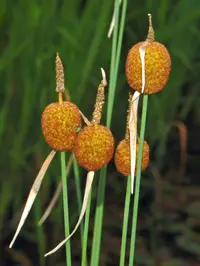
Southern cattail (Typha domingensis) is a tall, rhizome-forming wetland plant known for its narrow leaves and dense, brown cylindrical flower spikes. It typically grows in shallow, still or slow-moving water.

This species is common in warm temperate and tropical regions, often forming large stands along ponds, lakes, ditches, and marsh edges. It spreads vigorously through underground stems and wind-dispersed seeds, which makes it robust but sometimes invasive in suitable sites.

Typha domingensis is generally easy to grow if it has constant moisture, full sun, and nutrient-rich, muddy or silty soil. Those conditions are the basic foundation of how to care for southern cattail.

Main Plant Requirements

Care Difficulty

Moderate Care

Light Preference

Full Sun

Water Requirements

Aquatic

Temperature Preference

Warm Climate

Hardiness Zone

8–11

Soil Texture

Loamy, Clay, Organic-rich

Soil pH

Slightly acidic (6.5–7.0), Neutral (7.0)

Soil Drainage

Waterlogged tolerant

Fertilization

Minimal (feed rarely)

Get Personalized Care Plan

Scan your plant to receive care tips personalized for your specific plant

Available on iOS and Android

How to Care for the southern cattail

This wetland species needs abundant direct light to fuel strong vertical growth.

  • Provide 6–10 hours of direct sun daily; full sun suits southern cattail best along pond edges or shallow water margins.
  • Tolerates light partial shade, especially with morning sun and light afternoon shade in hotter regions, but dense shade leads to weak, floppy stems and sparse flowering.
  • In hot summers, monitor for leaf scorch on exposed, dry banks; shift planting or add taller companions to cast slight afternoon shade if tips brown.

This plant is adapted to saturated conditions and performs best with constant access to water.

  • Grow Typha domingensis in standing water 5–30 cm deep or in soil kept consistently saturated; do not allow the root zone to dry out.
  • In garden margins, soil should feel wet and heavy at all times; yellowing, crisp leaf edges indicate drying, while foul smell or mushy rhizomes suggests prolonged stagnation without oxygen.
  • During cooler months, water demand drops but water coverage should remain over the roots; top up ponds or basins when levels recede to keep crowns submerged or at the surface.

This emergent aquatic perennial tolerates a wide temperature span but has limits at both extremes.

  • Active growth is strongest at 70–90°F (21–32°C), with warm, sunlit shallow water supporting rapid shoot and rhizome development.
  • Established stands can handle short dips to about 25°F (-4°C); foliage may die back with frost, but rhizomes usually survive and resprout in spring.
  • In hot spells above 95°F (35°C), deeper or moving water helps prevent stress; in cold regions, maintaining at least the rhizomes below ice line improves winter survival.

This wetland species needs very high humidity and constant moisture around the foliage and roots.

  • Aim for 70–100% humidity, ideally near open water, ponds, or consistently wet bog areas.
  • Dry air causes browning leaf tips, curling edges, and slowed growth, especially during hot, windy periods.
  • Increase humidity by planting at pond margins, using lined bog beds, or grouping plants around shallow water features.

This species prefers permanently saturated, organic-rich soil similar to natural marsh conditions.

  • Use a heavy loam or clay-loam with high organic matter, such as garden soil mixed with 30–40% compost or well-rotted manure.
  • Ensure soil stays waterlogged or very saturated; it tolerates standing water over the crown during the growing season.
  • Aim for slightly acidic to neutral pH, roughly 6.0–7.5, which supports nutrient availability and root health.
  • Avoid very sandy, fast-draining, or gravelly substrates, as they dry out quickly and stress Typha domingensis.

This species can be grown in large containers if they mimic shallow pond or bog conditions.

  • Choose a wide, heavy tub or half-barrel at least 30–40 cm deep so tall foliage does not tip the container in wind.
  • Use solid containers without drainage holes or plug existing holes so water can stand above the soil surface.
  • Place the container inside a larger water-filled basin or pond shelf to stabilize it and keep the root zone constantly submerged.

Typha domingensis in nutrient-poor water benefits from light, controlled feeding during the warm growing season.

  • Use a balanced aquatic-safe fertilizer or slow-release pellets formulated for pond plants rather than standard houseplant feeds.
  • Apply at low label-recommended rates every 6–8 weeks during active growth, avoiding excess that can trigger algae blooms.
  • Skip feeding in late fall and winter when growth slows or stops, allowing the plant to rest naturally.
  • In natural ponds, caring for southern cattail usually means limiting extra nutrients and relying on existing sediment fertility.

Typha domingensis responds well to periodic pruning to maintain tidy growth and manage spread in ponds or wetlands.

  • Best time for heavier cutting is late winter to very early spring, before strong new shoots appear.
  • Remove dead, broken, or diseased stems at the base using sharp pruners or hand shears to reduce rot and pests.
  • Thin crowded clumps by cutting out entire stems to improve water flow, light penetration, and stand stability.
  • Leaving a few seed heads through winter can support wildlife, then cut them back before self-seeding becomes excessive.

Transplanting or dividing Typha domingensis is mainly done to control spread or refresh overgrown colonies in managed ponds.

  • Plan division or transplanting in early spring when new growth just starts, which reduces shock and speeds recovery.
  • Lift clumps when plants show slow growth, dense mats, or rhizomes pressing against container or pond edges.
  • Cut rhizomes into firm sections with several buds, trim damaged roots, and replant at the same water depth in rich, heavy loam.
  • Keep newly moved plants consistently submerged at stable water levels and avoid strong disturbance until new shoots anchor well.

Typha domingensis is commonly propagated to establish or expand wetland plantings in ponds, marshes, or biofiltration areas.

  • Division of rhizomes in early spring is the most practical method; each piece should carry healthy buds and roots.
  • Plant divisions into saturated clay or heavy loam at shallow water depth, maintaining constant moisture for rapid rooting.
  • Seed propagation works in restoration settings; sow fresh seed on wet soil under shallow water, with full sun and mild temperatures.
  • Limit spread in small ponds by planting divisions in submerged containers or bounded zones to prevent uncontrolled colonization.

In much of its range, Typha domingensis needs minimal winter care, but container or marginal plantings may require some attention.

  • The species tolerates light frost, but prolonged hard freezes can damage rhizomes, especially in shallow containers.
  • In cold regions, sink containers deeper below the ice line or move them into frost-free but cool, water-filled spaces.
  • Leave dead stems standing through winter for habitat, then cut them back in late winter to just above water level.

Care Tips

Control Rhizome Spread

Install a rhizome barrier or use a large, bottomless container sunk into the pond edge to confine underground stems and prevent the stand from overtaking adjacent planting zones.


Manage Stand Density

Every 1–2 years, thin out crowded clumps by removing older, weak shoots so that younger, vigorous culms have space and light, which keeps the stand more upright and reduces disease pressure.

Cut Back Strategically

In late winter, cut last season’s dry stalks down to 10–20 cm above the water line before new growth emerges to reduce decaying material in the water and keep access clear for wildlife and maintenance.

Monitor Nutrient Runoff

Limit fertilizer use on nearby lawns and beds and use vegetated buffer strips, since excess nutrient runoff can cause overly aggressive growth and destabilize a balanced wetland when growing southern cattail.

Use For Biofiltration

Position plantings downstream of inflow pipes or at the entry point of constructed wetlands so the dense root and rhizome system can help trap sediments and absorb nutrients before water moves through the rest of the pond.

Common Pests and Diseases

Cattail caterpillars

This pest feeds on leaves and flowering spikes, creating ragged holes and sometimes webbing. Symptoms include chewed leaf margins, frass (insect droppings), and deformed flower spikes.

Solution

Hand-pick and destroy visible caterpillars and cut off heavily infested flower spikes before larvae mature. For larger stands, a Bacillus thuringiensis (Bt) product labeled for caterpillars can be applied to foliage and flower spikes in calm weather, following label directions and avoiding drift into non-target habitats.

Leaf beetles

These insects, often aquatic or semi-aquatic beetles, chew long strips or window-like patches in leaves. Damage can thin the leaf blades and weaken stands in shallow or nutrient-poor water.

Solution

In small ponds, shake or tap stems over a container of water to dislodge adult beetles and larvae, then remove them from the site. Encourage natural predators such as fish and dragonfly larvae by maintaining a balanced aquatic habitat, and remove heavily damaged leaves to reduce feeding and breeding sites.

Stem-boring midges

This pest consists of small fly larvae that tunnel inside flower spikes and upper stems, causing swelling, distortion, or partial failure of seed formation. Symptoms include misshapen or patchy seed heads and occasional stem collapse near the spike.

Solution

Cut and remove distorted or partially destroyed flower spikes before seeds mature to physically remove larvae and pupae. Dispose of infested material away from the water body and avoid overfertilizing, which can promote dense, lush growth that supports higher midge populations.

Fungal leaf spots

This disease is caused by various aquatic or wetland fungi that produce brown to dark spots or streaks on leaves, especially in stagnant, nutrient-rich water. Symptoms include coalescing lesions, premature browning, and gradual thinning of foliage.

Solution

Remove and discard heavily spotted leaves to reduce fungal spores, and avoid allowing nutrient-rich runoff to accumulate in the water, which favors disease. Improve water movement or gentle circulation if possible and avoid overcrowding stands so leaves dry faster in sun and wind.

Smuts on flower spikes

This disease, typically caused by smut fungi, replaces normal seeds with dark, powdery fungal masses in parts of the flower spike. Symptoms include blackened sections of the spike that shed fine, dark spores when touched or in wind.

Solution

Cut and remove affected spikes before spores disperse widely, and dispose of them in the trash rather than composting. Over time, regular removal of infected spikes and maintenance of good water quality can reduce the inoculum level and limit future infections while still allowing the stand to function as habitat.

Interesting Facts

Tropical cattail specialist

This species is strongly associated with warm, lowland, tropical to subtropical wetlands and typically replaces other cattail species in brackish and freshwater marshes across the southern United States and much of the tropics.

High salt tolerance

Compared with many freshwater marsh plants, it tolerates moderately saline and alkaline waters, which allows it to dominate coastal and inland brackish marshes where less salt-tolerant cattail relatives decline.

Powerful wetland colonizer

It spreads rapidly by both wind-dispersed seeds and stout rhizomes, forming dense monospecific stands that can alter water flow, reduce open water, and compete strongly with native wetland vegetation in regions where it behaves invasively.

Botan icon

Did you know?

In several regions, including parts of the United States and Mediterranean-type climates, this species has hybridized and interacted competitively with other cattails, contributing to large-scale shifts in marsh plant communities and long-term changes in wetland structure.

FAQs about southern cattail

This species spreads vigorously by rhizomes and seed, forming dense stands in shallow water or saturated soil. In small ponds or constructed wetlands, regular thinning and rhizome removal are needed to prevent it from crowding out other plants.

Grow Healthy Plants with Botan Care

Keep your plants happy and healthy with plant identification, disease detection, and easy care guidance.

Botan plant care app — identify plants on mobile

Explore More Plants