


Staggered Harvesting
Cut outer leaves first and leave the central rosette intact so the plant can keep producing tender foliage over a longer season when growing spiritweed.

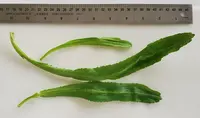
Spiritweed, Eryngium foetidum, is a tropical herb in the carrot family, valued for its strong cilantro-like flavor. It is commonly used in Caribbean, Latin American, and Southeast Asian cooking.
The plant forms a low rosette of stiff, serrated leaves with a central flower stalk as it matures. In warm climates it behaves as a short-lived perennial, but it is often grown as an annual.
It naturally occurs in Central and South America but has spread widely through tropical regions. Its tough foliage and tolerance of heat make it relatively easy to grow in warm conditions.
It prefers bright light, consistent moisture, and well-drained soil, and these needs guide how to care for spiritweed.

Care Difficulty
Easy Care

Light Preference
Full Sun

Water Requirements
Moderate Water

Temperature Preference
Tropical / Frost Sensitive

Hardiness Zone
10–12

Soil Texture
Sandy, Loamy, Organic-rich

Soil pH
Acidic (5.5–6.5), Slightly acidic (6.5–7.0)

Soil Drainage
Moist but well-drained

Fertilization
Light (every 4–6 weeks)
Scan your plant to receive care tips personalized for your specific plant
Available on iOS and Android
This tropical herb prefers bright exposure with some protection from extreme midday sun.
This plant prefers consistently moist but not saturated soil to maintain steady growth.
This warm-season herb grows best in stable, tropical to subtropical temperatures.
This species handles a wide humidity range and usually needs no special humidity management.
This herb prefers light, well-drained soil that still holds some moisture and nutrients.
This species grows well in containers when drainage and root space are managed carefully.
This herb grows in modest soils but responds well to light feeding during warm, active growth.
Pruning Eryngium foetidum is mainly about hygiene and keeping plants compact for easier harvesting.
This herb is short-lived and often grown in beds or small pots, so transplanting matters more than frequent repotting.
New plants are most commonly raised from seed, as this species grows fast and is usually short-lived.
This tropical herb has poor frost tolerance and usually does not overwinter outdoors in cold climates.

Plant Health Check
Not sure what's wrong with your plant? Check your plant's health inside the app.
This species shares key aroma compounds like aldehydes with cilantro but produces them in a different balance, which gives its leaves a stronger, more persistent flavor that withstands long cooking better than true coriander leaves.
Native to tropical regions of the Americas, it became a core seasoning in Caribbean, Central American, and northern South American cuisines, especially in sofrito-style seasoning bases, long before coriander leaves were widely used there.
The plant forms a flat rosette of stiff, spiny leaves close to the ground, which helps reduce water loss in sun-exposed tropical sites and offers some protection from grazing animals.

Although now common in markets across Asia, the species is not native there; it was carried from the Americas during post-Columbian plant exchanges and became so widely adopted in Southeast Asian cooking that many growers there treat it as a traditional local herb.
Yellowing leaves usually result from overwatering, waterlogged soil, or nutrient deficiency, especially nitrogen. Check drainage, let the top layer dry before watering again, and consider a balanced, dilute fertilizer if growth also appears weak or pale.
Keep your plants happy and healthy with plant identification, disease detection, and easy care guidance.

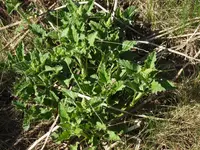
Good King Henry
Blitum bonus-henricus
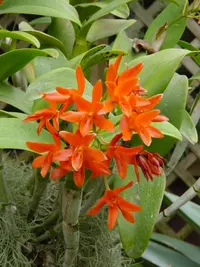
Guarianthe aurantiaca
Guarianthe aurantiaca
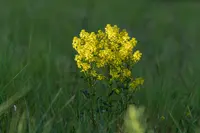
Black Mustard
Rhamphospermum nigrum
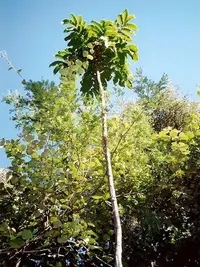
Australian tamarind
Diploglottis australis
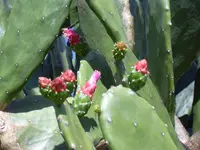
cochineal nopal cactus
Opuntia cochenillifera
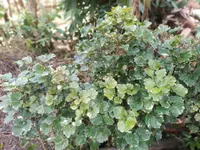
Balfour Aralia
Polyscias balfouriana
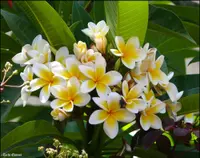
Mexican Plumeria
Plumeria rubra
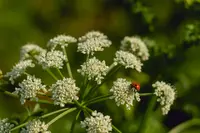
Parapimpinella siifolia
Parapimpinella siifolia