Balfour Aralia Care (Polyscias balfouriana)

Also known as: Balfour Aralia
Balfour Aralia

About Balfour Aralia

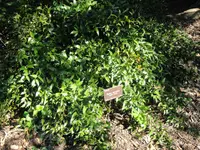
Balfour aralia, Polyscias balfouriana, is a tropical shrub grown mainly as an indoor foliage plant or trimmed as a compact indoor tree. It has rounded, leathery leaves, often variegated, that create a dense, layered canopy on upright woody stems.

In nature it occurs in warm, humid forests of the Southwest Pacific region. Indoors it grows slowly and keeps a tidy, architectural form that suits small spaces.

This plant responds poorly to sudden changes, drafts, and low light, which can cause leaf drop, so it suits owners who can offer stable conditions. To care for Balfour Aralia, provide bright filtered light, moderate moisture, and a well-drained, airy potting mix.

Main Plant Requirements

Care Difficulty

Moderate Care

Light Preference

Bright Indirect Light

Water Requirements

Moderate Water

Temperature Preference

Tropical / Frost Sensitive

Hardiness Zone

11–12

Soil Texture

Loamy, Sandy, Organic-rich

Soil pH

Acidic (5.5–6.5), Slightly acidic (6.5–7.0)

Soil Drainage

Moist but well-drained

Fertilization

Light (every 4–6 weeks)

Get Personalized Care Plan

Scan your plant to receive care tips personalized for your specific plant

Available on iOS and Android

How to Care for the Balfour Aralia

Polyscias balfouriana prefers bright, indirect light that mimics dappled forest shade.

  • Provide 6–8 hours of bright, filtered light each day, such as near an east or north window or under light tree cover outdoors.
  • Allow soft morning sun but protect from strong midday and afternoon sun, which can scorch leaves and cause pale, crispy patches.
  • In lower light or winter, growth slows and internodes stretch; move the plant closer to a bright window or supplement with grow lights if stems elongate.

Watering for this species aims to keep the root zone lightly moist but never saturated.

  • Let the top 2–4 cm of soil dry before watering, then water thoroughly so moisture reaches the full root zone and excess drains away.
  • Reduce watering in winter when growth slows, checking soil with a finger rather than following a fixed schedule to avoid soggy conditions.
  • Watch for yellowing, mushy lower leaves as a sign of overwatering and dry, crispy leaf edges or droop as an indicator that Polyscias balfouriana is too dry.

This species prefers warm, stable temperatures without sudden swings or drafts.

  • Aim for 65–80°F (18–27°C) for steady growth, matching the warm, sheltered conditions of its native habitat.
  • Protect from cold; growth stops near 55°F (13°C), and tissue damage can occur below 45°F (7°C), especially with wind exposure.
  • In hot spells above 85°F (29°C), increase shade and airflow to prevent heat stress, and avoid placing the plant near heaters, air conditioners, or cold windows in winter.

This species prefers moderately moist air and reacts if kept too dry for long periods.

  • Aim for 50–60% humidity for stable foliage and growth in Balfour Aralia.
  • It tolerates short spells of 35–40% air moisture but leaves may curl, brown at edges, or drop when kept drier.
  • Increase humidity with a nearby humidifier, grouped plants, or a pebble tray under the pot, not by constantly misting.

Polyscias balfouriana grows best in a loose, well-aerated mix that drains quickly but holds moderate moisture.

  • Use a peat- or coco-based mix with added perlite and fine bark for structure, drainage, and root oxygen.
  • Aim for a slightly acidic to neutral pH around 6.0–7.0, avoiding very alkaline mixes that can lock out nutrients.
  • Ensure the mix feels springy rather than compact; add extra perlite or pumice if water takes more than 1–2 minutes to drain through.
  • Avoid heavy garden soil, straight compost, or clay-rich mixes that stay wet, as these promote root rot and poor aeration.

This species is well suited to container growing when the pot supports its woody, upright habit.

  • Choose a pot just 2–5 cm wider than the root ball so the mix does not stay wet for long periods.
  • Select a heavier or wider-based container to prevent tipping as stems lengthen and foliage becomes top-heavy.
  • Use a pot material with moderate breathability, such as thick plastic or glazed ceramic, to balance moisture retention with root oxygen.

This species benefits from light, consistent feeding during active growth but dislikes heavy fertilizer applications.

  • Use a balanced liquid fertilizer (such as 10-10-10 or 20-20-20) diluted to 1/4–1/2 strength for caring for Balfour Aralia.
  • Feed every 4–6 weeks in spring and summer, skipping applications if growth is weak or soil stays wet.
  • Stop or reduce feeding to 1 light dose for the whole period in fall and winter, when growth slows.
  • Slow-release granules or a thin layer of mature compost can be applied in spring, kept away from direct stem contact.

Polyscias balfouriana responds well to thoughtful pruning, which keeps the plant dense and manageable indoors.

  • Carry out main pruning in late winter or early spring before strong new growth begins.
  • Remove dead, diseased, crossing, or inward-growing stems to improve airflow and light penetration.
  • Tip back overly tall or leggy shoots to encourage branching and a fuller canopy.
  • Use clean, sharp hand pruners, cutting just above a leaf node to direct new growth outward.

Container-grown plants prefer slightly snug pots and only need repotting when clearly root-bound.

  • Check for roots circling the pot, pushing through drainage holes, soil drying very fast, or slow growth as cues to repot.
  • Plan repotting in spring every 2–3 years, moving only 1 pot size up to avoid excess wet soil.
  • Use a well-draining peat-free houseplant mix, setting the root ball at the same depth and firming soil gently around it.
  • Water thoroughly after repotting, keep in bright indirect light, and avoid heavy fertilizing for 3–4 weeks to limit root stress.

New plants are most reliably produced from stem cuttings taken from healthy, semi-woody shoots.

  • Take 8–12 cm tip or stem cuttings in late spring or early summer, each with several nodes and leaves.
  • Remove lower leaves, dip the cut end in rooting hormone, and insert into a moist, well-draining mix of perlite and peat-free compost.
  • Maintain warmth around 70–80°F, high humidity, and bright, indirect light to encourage root formation.
  • For larger plants, woody stem sections can also root when laid horizontally on the medium with nodes lightly covered.

This tropical shrub is not frost hardy and needs warm, stable indoor conditions in winter.

  • For outdoor containers, move plants indoors before temperatures drop below 55°F, keeping them away from drafts and heat sources.
  • Maintain indoor temperatures around 60–75°F and avoid sudden temperature swings that stress foliage.
  • Reduce watering frequency in low light, allowing the top soil layer to dry slightly while preventing extreme dryness.
  • In mild climates, insulate outdoor pots with wrap or mulch around the container if brief cool spells are expected.

Care Tips

Rotate For Symmetry

Turn the pot 1/4 turn every 2–3 weeks so light reaches all sides evenly, which keeps the plant from leaning and encourages a balanced, full canopy.

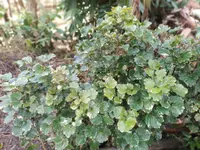
Stem Pinching Technique

Pinch or cut just above a leaf node on young, flexible stems a few times per year to trigger side branching and create a denser, more compact plant.

Selective Cane Thinning

Once a year, remove 1–2 of the oldest, woodiest stems at the base instead of just shortening tips to stimulate new shoots from lower down and maintain an open, airy structure.

Stable Pot Weighting

If the plant becomes top-heavy, place decorative stones or clay shards on the soil surface to add weight and reduce the risk of the pot tipping over, especially in high-traffic areas.

Preventive Pest Checks

Inspect leaf undersides and stem joints weekly with a hand lens and wipe down with a slightly damp, soft cloth, which helps detect and manage scale or mites early when caring for Balfour Aralia.

Common Pests and Diseases

Scale insects

This pest attaches tightly to stems and leaf undersides, sucking sap and causing yellowing, leaf drop, and weak, sparse growth. Symptoms often include small, dome-shaped brown or tan bumps that do not move when touched.

Solution

Isolate the plant, then gently scrape or wipe insects off stems and leaves with a cotton pad dipped in 70% isopropyl alcohol, repeating weekly until no new scale appears. For heavier infestations, use a neem oil or insecticidal soap spray labeled for indoor use, ensuring thorough coverage of stems and leaf undersides and maintaining good light and stable temperatures to support recovery.

Spider mites

These insects thrive in warm, dry rooms, causing fine speckling on leaves, dull foliage, and eventual leaf drop. Symptoms include very fine webbing between leaf stems and along the undersides of the leaflets.

Solution

Increase humidity around the plant and rinse foliage under a gentle, lukewarm shower or with a sprayer, focusing on leaf undersides to remove mites and webbing. Follow with repeated applications of insecticidal soap or neem oil at 5–7 day intervals, and reduce stress by avoiding hot, dry air from heaters or vents as part of Polyscias balfouriana plant care.

Mealybugs

This pest appears as white, cottony clusters in leaf axils, along stems, and sometimes on roots, leading to sticky honeydew and sooty mold on leaves. Symptoms include distorted new growth and gradual decline in vigor.

Solution

Inspect all stems and leaf junctions, then dab visible clusters with cotton swabs dipped in 70% isopropyl alcohol and remove heavily infested leaves. Repeat treatments weekly and, for larger plants, use an insecticidal soap or neem oil spray, checking nearby plants and cleaning sticky surfaces to prevent reinfestation.

Leaf spot

This disease causes irregular brown or tan spots on leaves, sometimes with yellow halos and occasional leaf drop on older foliage. Symptoms include more rapid spread in crowded, poorly ventilated conditions or on leaves that stay wet for long periods.

Solution

Remove and discard affected leaves, then improve air circulation around the plant and avoid overhead watering so foliage dries quickly. If spotting continues to spread, apply a copper-based or other houseplant-safe fungicide according to the label and keep the plant in bright, indirect light to support new healthy growth.

Sooty mold

This disease is a secondary problem that appears as black, soot-like coating on leaves and stems growing on the honeydew excreted by sap-sucking insects such as scale or mealybugs. Symptoms include reduced photosynthesis, dull appearance, and sticky residue on or around the plant.

Solution

First control the underlying insect infestation, then gently wash leaves with lukewarm water and a small amount of mild liquid soap, wiping both leaf surfaces to remove the fungus and honeydew. Rinse thoroughly, allow foliage to dry in bright, indirect light, and maintain regular inspection for recurring sap-sucking pests to prevent return of the mold.

Interesting Facts

Naturally variegated foliage

This species often develops stable creamy-white or pale yellow margins on its rounded leaflets, caused by genetically reduced chlorophyll along the leaf edges rather than disease or nutrient issues.

Clumping multi-trunk habit

In its native Pacific and Southeast Asian range, this plant forms many upright, slender stems from the base, creating a small, shrubby tree structure rather than a single-stemmed tree.

Slow, compact growth

Compared with many tropical shrubs, it has a naturally slow growth rate and short internodes, which allows growers to maintain dense, finely branched plants that respond well to light pruning when they grow Polyscias balfouriana.

FAQs about Balfour Aralia

Brown, crispy leaf edges usually result from low humidity, excess fertilizer salts, or inconsistent moisture around the roots. Flush the potting mix with water, trim damaged leaves, and stabilize humidity and watering habits to prevent further stress.

Grow Healthy Plants with Botan Care

Keep your plants happy and healthy with plant identification, disease detection, and easy care guidance.

Botan plant care app — identify plants on mobile

Explore More Plants