grape honeysuckle Care (Lonicera reticulata)

grape honeysuckle

About grape honeysuckle

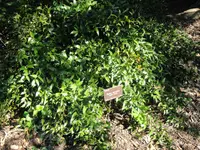
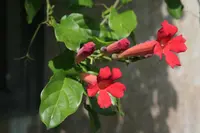
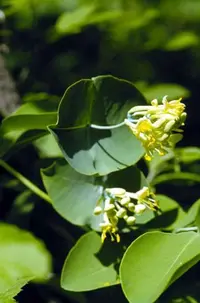
Grape honeysuckle, Lonicera reticulata, is a deciduous climbing vine valued for its small tubular flowers and attractive blue to purple berry-like fruits. It typically twines through supports or nearby shrubs, creating a soft, informal structure in the garden. Native to parts of central and eastern North America, it is adapted to temperate climates and copes well with seasonal temperature changes. This species is generally considered moderately easy to grow when its basic needs are met. It prefers sun to light shade, evenly moist but well-drained soil, and some structural support. Understanding these traits makes it simpler to care for grape honeysuckle in home landscapes.

Main Plant Requirements

Care Difficulty

Easy Care

Light Preference

Full Sun

Water Requirements

Moderate Water

Temperature Preference

Cold Hardy

Hardiness Zone

4–8

Soil Texture

Sandy, Loamy, Clay

Soil pH

Acidic (5.5–6.5), Slightly acidic (6.5–7.0)

Soil Drainage

Moist but well-drained

Fertilization

Minimal (feed rarely)

Get Personalized Care Plan

Scan your plant to receive care tips personalized for your specific plant

Available on iOS and Android

How to Care for the grape honeysuckle

This twining vine flowers best with strong sun but tolerates some shade in hot regions.

  • Provide 6–8 hours of sun daily, with morning sun and light afternoon shade ideal, especially in warmer climates.
  • Allow partial shade (3–4 hours of direct light) in hotter zones to reduce leaf scorch and premature wilting of grape honeysuckle.
  • In spring and fall, more direct sun promotes blooms; in mid-summer, protect from intense late-afternoon sun with dappled or filtered light.

This species prefers steady soil moisture without prolonged saturation.

  • Water when the top 3–5 cm of soil feels dry, aiming for moist but not soggy soil around the root zone.
  • Ensure well-drained ground; Lonicera reticulata in heavy clay benefits from added compost or grit to reduce waterlogging and root rot risk.
  • Increase watering during hot, dry periods when leaves droop or curl slightly, and reduce in cool or rainy seasons to avoid yellowing leaves and soft stems.

This hardy climber tolerates a wide temperature range once established outdoors.

  • Active growth and flowering occur best around 60–80°F (16–27°C), with stable spring and early-summer temperatures supporting strongest shoots and buds.
  • Mature plants handle winter cold down to about -20°F (-29°C), losing leaves and entering dormancy yet resprouting from woody stems in spring.
  • Short spells above 90°F (32°C) are tolerated if soil moisture is maintained, but extended extreme heat combined with drought can cause leaf scorch and reduced flowering.

Humidity is rarely a limiting factor for grape honeysuckle grown outdoors.

Lonicera reticulata prefers moderately fertile, well‑drained, moisture-retentive soil.

  • Use a loamy or sandy-loam soil with some organic matter to balance drainage and water holding.
  • Blend garden soil with compost and coarse sand or fine gravel to improve both structure and aeration.
  • Aim for slightly acidic to neutral pH, around 6.0–7.0, avoiding strongly acidic or alkaline sites.
  • Do not plant in heavy, waterlogged clay; raise the planting area or amend deeply with grit and compost to prevent root suffocation.

This species can adapt well to container growing when the pot is sized and weighted for a climbing vine.

  • Choose a deep, wide container that allows a strong root system and resists tipping as the vine gains height.
  • Select a heavy or weighted pot material if the container will support a trellis, to increase stability in wind.
  • Position the container where it can be anchored or backed by a fixed support, reducing strain on roots from a tall, top-heavy vine.

This vine benefits from modest feeding to support flowering but grape honeysuckle does not require heavy fertilization in average garden soil.

  • Apply a balanced slow-release fertilizer (around 10-10-10) once in early spring as new growth starts.
  • In poorer soils, supplement with a thin layer of compost over the root zone each spring.
  • Use granular products at label rates or liquid feeds at 1/2 strength to avoid soft, weak growth.
  • Stop feeding by late summer and avoid fertilizing during winter dormancy.

Lonicera reticulata responds well to thoughtful pruning that maintains vigor and flowering.

  • Time main pruning for late winter or very early spring before new growth begins.
  • Remove dead, diseased, or damaged stems first, then thin the oldest or most tangled shoots.
  • Shorten excessively long stems to shape the vine and keep it within its support or space.
  • Use sharp bypass pruners, making clean cuts just above healthy buds or side branches.

This vine is most often grown in the ground, so care focuses on transplanting rather than frequent repotting.

  • Transplant in early spring or early fall when temperatures are mild and soil is workable.
  • Look for signs such as slow growth, roots circling the container, or a root-bound root ball before moving plants.
  • Choose a site with well-drained soil and set the root crown at the same depth as before, backfilling firmly.
  • Water thoroughly after transplanting, then keep soil evenly moist for several weeks to limit transplant shock.

Lonicera reticulata is commonly propagated vegetatively to maintain desirable flowering and growth traits.

  • Take semi-ripe stem cuttings in late spring to midsummer and root them in moist, free-draining medium.
  • Maintain high humidity and bright, indirect light around cuttings to encourage steady rooting.
  • Use simple layering by pinning a flexible stem to the soil, covering a section, and severing it once rooted.
  • Seeds can be used but often show variable traits and may benefit from cold stratification before sowing.

This honeysuckle is generally cold hardy in much of the US and needs only modest winter attention in the landscape.

  • Apply a 5–8 cm layer of mulch around the root zone in late fall, keeping it just clear of the stems.
  • In very cold areas, add extra mulch or leaves over the root area to buffer freeze–thaw cycles.
  • Container-grown plants are more exposed; move them into a sheltered, unheated but frost-moderated spot if possible.

Care Tips

Train Early Vines

Install a sturdy trellis or wires before planting and loosely tie new shoots with soft garden ties so the young stems climb in the desired direction instead of tangling on nearby shrubs.

Encourage Lateral Bloom

Pinch or lightly tip-prune overly long, whippy shoots in late spring to encourage more side branching, which produces a denser screen and more flower-bearing growth.

Mulch for Root Comfort

Apply a 5–8 cm layer of organic mulch over the root zone, keeping it 5 cm away from the stems, to keep roots cool, conserve moisture, and reduce weed competition that can stress the plant.

Monitor Stem Wood

Each late winter, inspect stems and remove any that are dead, weak, or rubbing to keep good air flow through the framework and reduce the risk of powdery mildew and other fungal problems when growing grape honeysuckle.

Support in Windy Sites

In exposed gardens, add extra horizontal supports and secure older stems in a few places to prevent wind rock, which can loosen roots and damage the main framework over time.

Common Pests and Diseases

Aphids

These insects feed on young shoots and flower buds, causing distortion, sticky honeydew, and sometimes sooty mold on leaves and stems.

Solution

Spray shoots with a strong stream of water to dislodge colonies, then use insecticidal soap or a ready-to-use neem oil spray on all tender growth, repeating every 5–7 days until populations drop and beneficial insects can keep them in check.

Honeysuckle leaf blight

This disease causes brown or tan spots that expand into irregular blotches, often leading to premature leaf drop in midsummer.

Solution

Prune out and dispose of heavily spotted shoots, avoid overhead watering, and improve airflow around the vine; in severe or recurring cases, apply a labeled copper or chlorothalonil fungicide early in the season and repeat as directed to protect new foliage when growing grape honeysuckle outdoors.

Powdery mildew

This disease produces a white, powdery film on leaves, which can lead to yellowing, distortion, and reduced flowering under humid, shaded conditions.

Solution

Thin dense growth to increase light and air movement, avoid wetting foliage, and treat early outbreaks with horticultural oil or a sulfur-based fungicide, coating both upper and lower leaf surfaces and repeating at label intervals during humid periods.

Honeysuckle scale

This pest appears as small, immobile bumps on stems and older wood, sucking plant sap and causing thinning foliage, poor growth, and twig dieback.

Solution

Prune out and discard heavily infested stems, scrub remaining stems gently with a soft brush to remove scales, and target the crawler stage in late spring with horticultural oil, making sure to thoroughly wet all woody surfaces.

Honeysuckle witches’ broom

This disease, often associated with phytoplasma or viral infection, produces dense clusters of short, misgrown shoots and reduced flowering on affected sections of the vine.

Solution

Promptly prune out distorted brooms back into healthy wood and destroy the debris, disinfect pruning tools between cuts, and control sap-sucking insects such as aphids and leafhoppers that may spread the pathogen; remove and replace the entire plant if symptoms progressively worsen over several seasons.

Interesting Facts

Distinct grape‑like fruit

This species forms tight clusters of small, round berries that ripen to a translucent yellow or orange, often compared to miniature grapes, which is the origin of the common name grape honeysuckle. The berries are an important late-summer and early-autumn food source for many bird species in its native range.

Native Midwestern climber

The species is naturally distributed in the central United States, especially in the Midwest, where it climbs over shrubs and small trees along woodland edges, thickets, and stream banks. Its twining stems use surrounding vegetation for support rather than developing adhesive roots or tendrils.

Net‑veined foliage pattern

Leaves often show a subtle net-like pattern of veins, which is reflected in the epithet reticulata, meaning netted or reticulate. This venation pattern can help distinguish it from some other honeysuckle species with smoother, less visibly veined foliage.

Botan icon

Did you know?

This species has been used in breeding ornamental honeysuckle cultivars for its unusually showy, yellow tubular flowers, which are attractive to hummingbirds and other long-tongued pollinators, making it a valued genetic contributor in horticulture beyond its relatively limited natural range.

FAQs about grape honeysuckle

This vine is very attractive to pollinators. Tubular flowers provide nectar for bumblebees, solitary bees, and butterflies, while hummingbirds may also visit. Planting it near other nectar sources supports a longer season of wildlife activity.

Grow Healthy Plants with Botan Care

Keep your plants happy and healthy with plant identification, disease detection, and easy care guidance.

Botan plant care app — identify plants on mobile

Explore More Plants