Alexandrian Laurel Care (Danae racemosa)

Alexandrian Laurel

About Alexandrian Laurel

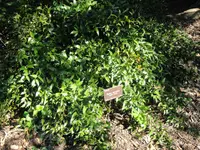
Alexandrian laurel, Danae racemosa, is an evergreen shrub from the asparagus family, valued mainly for its glossy, arching foliage rather than flowers. It forms low, dense clumps of upright stems with flattened, leaf-like structures and a tidy, architectural look.

This plant is native to the eastern Mediterranean and parts of western Asia, where it grows in shaded woodlands and rocky areas. Its slow growth, tolerance of low light, and long-lasting foliage make it a good option for steady, low-maintenance displays.

It prefers shade to partial shade, evenly moist but not waterlogged soil, and sheltered positions. These traits mean that learning how to care for Alexandrian Laurel is straightforward for patient growers who appreciate slow but steady growth.

Main Plant Requirements

Care Difficulty

Moderate Care

Light Preference

Partial Shade

Water Requirements

Moderate Water

Temperature Preference

Cool Climate

Hardiness Zone

7–9

Soil Texture

Loamy, Clay, Organic-rich

Soil pH

Acidic (5.5–6.5), Slightly acidic (6.5–7.0)

Soil Drainage

Moist but well-drained

Fertilization

Minimal (feed rarely)

Get Personalized Care Plan

Scan your plant to receive care tips personalized for your specific plant

Available on iOS and Android

How to Care for the Alexandrian Laurel

Danae racemosa prefers low to medium light and is well suited to shaded garden positions.

  • Provide bright, filtered light or open shade; 1–3 hours of gentle morning sun is acceptable, but avoid strong midday and afternoon sun.
  • Plant Alexandrian Laurel under high tree canopies, on the north or east side of buildings, or in dappled light where it is naturally protected.
  • Watch foliage color and texture: yellowing or scorched patches indicate too much sun, while very sparse, weak shoots suggest light is too dim.

Danae racemosa prefers consistently moist but not waterlogged soil once established.

  • In the ground, water deeply when the top 3–5 cm of soil feel dry, then allow excess to drain completely.
  • Use well-drained, humus-rich soil; standing water or heavy clay without amendment increases risk of root rot and yellowing, mushy stems.
  • In summer dry spells, check soil every few days; in cool, rainy seasons, reduce watering and rely more on natural rainfall, watching for wilting or crisp leaf tips as signs of underwatering.

This shrub prefers mild, stable conditions and does best in climates without temperature extremes.

  • Ideal growth occurs around 55–75°F (13–24°C), with steady cool to mild conditions supporting dense, long-lasting foliage.
  • It tolerates brief drops to about 20–25°F (-6 to -4°C), but repeated hard frosts can damage leaves and young shoots, especially in exposed sites.
  • In hotter regions, where summer highs exceed 85°F (29°C), provide shade and mulch to keep roots cool and reduce heat stress and leaf scorch.

This species handles typical indoor humidity but benefits from slightly moist air.

  • Aim for 40–60% humidity for Alexandrian Laurel to keep foliage firm and glossy.
  • It tolerates short dry spells, but very dry heated rooms can cause browning tips and crispy leaf edges.
  • Increase humidity by grouping plants, placing the pot on a pebble tray with water below the base, or running a nearby humidifier.

Danae racemosa prefers moist, well-drained, organic-rich soil that stays aerated.

  • Use a loose mix of 2 parts peat or coco coir, 1 part compost, and 1 part perlite or fine bark for structure and drainage.
  • Aim for slightly acidic to neutral pH around 6.0–7.0, avoiding very alkaline soils that can limit nutrient uptake.
  • Ensure water drains freely; standing water or heavy clay promotes root rot and weak, yellowing shoots.
  • Improve dense garden soil by mixing in coarse sand and fine bark to increase pore space and oxygen around the roots.

This species grows reliably in containers when given a stable, cool root zone.

  • Choose a deep, heavy pot to anchor its arching stems and prevent tipping in wind or high-traffic areas.
  • Select slightly porous materials like clay to moderate moisture, but monitor more closely in hot, dry conditions.
  • Use a saucer only if excess water is emptied promptly so roots do not sit in collected runoff.

Danae racemosa grows slowly and needs only modest feeding to stay healthy in containers or cultivated beds.

  • Use a balanced, slow-release fertilizer (for example 10-10-10) or light compost top-dressing in spring for Alexandrian Laurel.
  • Feed once at the start of the growing season, with a second light application in mid-summer if growth is weak.
  • Apply at 1/2 label strength for container plants to avoid root burn and salt buildup.
  • Stop feeding in late summer so plants harden off before winter and remain unfertilized during winter dormancy.

Danae racemosa needs minimal pruning, mainly to maintain a clean, tidy form.

  • Best time for pruning is late winter to early spring, before new growth starts.
  • Remove dead, diseased, or damaged stems at the base with clean, sharp hand pruners.
  • Thin out a few of the oldest, most crowded shoots to improve light and air flow within the clump.
  • Avoid heavy cutting; light shaping preserves the natural arching habit and flower-bearing stems.

This shrub prefers to stay undisturbed, so transplanting or repotting should be infrequent and carefully planned.

  • Check for roots circling the pot drainage holes, soil drying very fast, or stalled growth as signs it needs a larger container or division.
  • Carry out transplanting in early spring or early fall when temperatures are mild and moisture is reliable.
  • Plan on moving or dividing clumps only every 4–6 years to limit root disturbance and setback.
  • Water thoroughly before and after moving, keep the rootball intact, and shade for 1–2 weeks to reduce transplant shock.

Danae racemosa is slow and somewhat challenging to propagate, so it is usually multiplied on a small scale.

  • Divide established clumps in early spring, lifting carefully and separating sections with several healthy shoots and roots.
  • Sow fresh seeds in fall or early spring in a cool, shaded frame; germination may be slow and irregular.
  • Maintain evenly moist, well-drained, humus-rich substrate and moderate temperatures around 60–70°F for young plants.
  • Avoid frequent disturbance of seedlings or divisions; allow them to establish firm root systems before potting on or planting out.

This evergreen shrub is moderately cold hardy and typically needs little special winter care in mild climates.

  • In regions colder than about 10–15°F, apply a 5–8 cm mulch layer around the root zone to buffer freeze–thaw cycles.
  • Shelter plants from drying winter winds using hedges, fences, or windbreak fabric where exposure is high.
  • Move container-grown plants to a protected, frost-free but cool, bright area when prolonged hard freezes are forecast.

Care Tips

Use shaded supports

Provide discreet twiggy branches or low bamboo hoops in deep shade so arching stems can lean without snapping, especially in older, fuller clumps.

Refresh top mulch

Once a year gently loosen and replace the top 2–3 cm of organic mulch to reduce compaction, discourage fungal buildup, and keep the root zone cool and evenly moist.

Protect decorative stems

When stems are used for winter arrangements, cut no more than 25–30% of the foliage at a time and rotate which side of the clump is harvested each year to prevent thinning.

Manage slow spread

Every 3–4 years slice off and replant only small outer sections of the root mass in early spring, rather than lifting the entire clump, to expand a planting with minimal stress to the mother plant.

Plan for long shade

When growing Alexandrian Laurel under trees or shrubs, choose locations with stable long-term shade so the plant is not exposed later if overstory branches are pruned or removed.

Common Pests and Diseases

Scale insects

This pest attaches to the leathery stems and leaves and sucks sap, leading to yellowing foliage and general decline, especially on older, shaded specimens.

Solution

Wipe stems and leaf surfaces with a cotton pad dipped in 1:10 diluted alcohol or insecticidal soap, repeating every 7–10 days until clear, and prune out heavily infested stems to reduce populations and improve airflow.

Mealybugs

These insects hide in leaf axils and along stems, producing white cottony masses and sticky honeydew that can lead to sooty mold on Alexandrian laurel foliage.

Solution

Inspect the inner stems regularly, remove clusters with a cotton swab dipped in alcohol, then wash the plant thoroughly with a mild insecticidal soap solution and isolate it from other plants until new growth is clean.

Spider mites

This pest becomes more common in dry indoor or greenhouse conditions, causing fine stippling, dulling of the dark green leaves, and occasionally light webbing between stems.

Solution

Increase humidity around the plant, rinse foliage thoroughly with a strong but gentle stream of lukewarm water, and apply a horticultural oil or insecticidal soap to both upper and lower leaf surfaces, repeating at weekly intervals until no new damage appears.

Leaf spot

This disease causes small brown to black spots on the evergreen foliage, sometimes with yellow halos, and can lead to premature leaf drop on shaded or poorly ventilated plants.

Solution

Remove and discard affected leaves, avoid overhead watering, space plants to improve air movement, and if spotting continues, apply a copper-based fungicide labeled for ornamental evergreens during a dry weather period.

Sooty mold

This disease develops as a black, soot-like coating on leaves and stems growing on the sugary honeydew excreted by sap-sucking insects such as scale or mealybugs.

Solution

Address the underlying insect infestation first, then gently wash the foliage with lukewarm water and a small amount of mild soap, and increase light and airflow so new growth remains clean, following standard Danae racemosa care to keep the plant vigorous.

Interesting Facts

Ancient Mediterranean native

Danae racemosa is a monotypic species, meaning it is the only species in its genus, native to shaded woodland and scrub habitats around the eastern Mediterranean and Near East.

Unusual evergreen shoots

The plant appears to have glossy leaves, but these are actually flattened, leaf-like stems called cladodes; the true leaves are tiny and scale-like and fall off early in development.

Long-lasting cut foliage

Its firm, glossy cladodes and slow transpiration rate allow stems to stay attractive for weeks after cutting, which is why it has been valued for centuries in floristry and church decorations in Europe and the Middle East.

Botan icon

Did you know?

In Victorian times and earlier, this species was widely grown in cool, shaded glasshouses and used as a long-lived alternative to true laurel in wreaths and formal arrangements, which is why it gained the common name Alexandrian laurel despite not being closely related to Laurus nobilis.

FAQs about Alexandrian Laurel

Yellowing leaves usually come from excess moisture, poor drainage, or compacted soil limiting oxygen to the roots. Older leaves may also yellow naturally with age. Check pot drainage, reduce watering frequency, and refresh or loosen the growing medium.

Grow Healthy Plants with Botan Care

Keep your plants happy and healthy with plant identification, disease detection, and easy care guidance.

Botan plant care app — identify plants on mobile

Explore More Plants