Brazilian gloxinia Care (Sinningia speciosa)

Also known as: Gloxinia
Brazilian gloxinia

About Brazilian gloxinia

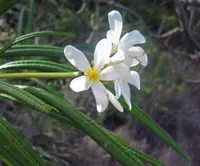
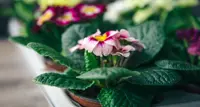
Brazilian gloxinia, Sinningia speciosa, is a compact, tuber-forming tropical perennial grown mainly as a flowering houseplant. It belongs to the African violet family and shows similar needs. Plants form low rosettes of soft, velvety leaves that frame large, bell-shaped flowers in vivid colors, often with patterned throats. In nature it occurs in humid, shaded habitats in Brazil, usually protected from direct sun.

Its showy blooms and relatively fast growth make it attractive but a bit more demanding than basic beginner plants. Consistent warmth, gentle bright light, and evenly moist, airy soil are important if you want to care for Brazilian gloxinia successfully.

Main Plant Requirements

Care Difficulty

Moderate Care

Light Preference

Bright Indirect Light

Water Requirements

Moderate Water

Temperature Preference

Tropical / Frost Sensitive

Hardiness Zone

10–11

Soil Texture

Loamy, Peaty, Organic-rich

Soil pH

Acidic (5.5–6.5), Slightly acidic (6.5–7.0)

Soil Drainage

Moist but well-drained

Fertilization

Moderate (every 2–4 weeks)

Get Personalized Care Plan

Scan your plant to receive care tips personalized for your specific plant

Available on iOS and Android

How to Care for the Brazilian gloxinia

Sinningia speciosa prefers bright, gentle light that mimics a forest edge or bright windowsill conditions.

  • Provide 4–6 hours of bright, indirect light daily; early morning sun is acceptable, but protect from harsh midday and afternoon rays that can scorch leaves.
  • Place Brazilian gloxinia where it receives filtered light through sheer curtains or light shade from taller plants, especially in summer.
  • If light is too low, stems stretch and flowering declines; move slightly closer to the light source in winter when days are shorter.

Watering for Sinningia speciosa should keep the root zone lightly moist while protecting the tuber from prolonged saturation.

  • Water when the top 2–3 cm of soil feels dry, then moisten thoroughly until excess drains away, avoiding water pooling around the tuber.
  • During active growth and flowering, expect more frequent watering; reduce frequency in late fall as leaves yellow and growth slows.
  • Suspect overwatering if leaves yellow, soften, or the crown smells musty; suspect underwatering if foliage wilts, soil pulls from the pot sides, or leaves crisp at the edges.

Temperature control for this species focuses on warm, stable conditions with protection from both frost and extreme heat.

  • Aim for 65–75°F (18–24°C) during active growth, which supports steady foliage development and reliable flowering.
  • Keep above 55°F (13°C); exposure below this can stunt growth, damage leaves, and stress the tuber.
  • In hot weather above 85°F (29°C), provide shade, increased air movement, and slightly higher humidity; during dormancy, a cooler rest around 60–65°F (16–18°C) is beneficial.

This species prefers consistently moist air and benefits from moderately high humidity indoors.

  • Aim for 50–70% humidity; it tolerates brief dips lower but prolonged very dry air leads to stress.
  • Crisp leaf edges, limp flower buds, and slowed growth indicate humidity is too low for Brazilian gloxinia.
  • Increase humidity by grouping plants, placing pots on pebble trays with water, or using a cool-mist humidifier near but not directly over plants.

Use a light, airy, organic-rich mix that drains rapidly yet holds steady, even moisture around the tuber.

  • Combine roughly 2 parts peat or coco coir with 1 part perlite and 1 part fine bark to create a loose, open structure.
  • Ensure very fast drainage; water should exit the pot within seconds, leaving the mix slightly moist but never waterlogged around Sinningia speciosa tubers.
  • Keep pH slightly acidic, about 5.8–6.5, which supports nutrient availability while avoiding lime-heavy components.
  • Avoid heavy garden soil, dense clay, or mixes with lots of un-composted wood that compact and restrict aeration.

This species is well suited to container growing when the pot supports its shallow tuber and moisture-sensitive roots.

  • Choose a wide, shallow pot so the tuber sits comfortably with 2–3 cm mix below it, preventing deep, soggy zones.
  • Use a relatively lightweight plastic pot if faster moisture retention is desired and monitor watering more closely than in clay.
  • Place the pot in a stable cachepot or on a flat tray so the top-heavy flowering stems do not tip the container when in bloom.

Sinningia speciosa benefits from moderate feeding during active growth but reacts poorly to overfertilizing.

  • Use a balanced liquid fertilizer (such as 10-10-10 or 20-20-20) diluted to 1/4–1/2 strength for Brazilian gloxinia.
  • Feed every 2 weeks during spring–summer when the plant is in full leaf and bud.
  • Avoid granular slow-release products that can burn the tuber; choose gentle, water-soluble formulas instead.
  • Stop or reduce feeding to once a month at very weak strength as growth slows and the plant enters dormancy.

Pruning Sinningia speciosa is light and focused on maintaining plant health and compact form.

  • After flowering, pinch or trim spent flower stalks back to just above a leaf node to encourage reblooming or stronger tuber growth.
  • Remove yellow, damaged, or diseased leaves at any time using clean, sharp scissors or small snips.
  • In late season, cut back weak, leggy stems to shape the plant and keep growth dense and tidy.
  • Disinfect tools before and after use to reduce the risk of transmitting fungal or bacterial problems.

This tuberous plant does best in pots and benefits from thoughtful repotting rather than frequent disturbance.

  • Plan to repot every 1–2 years in late winter or early spring, just before strong new shoots appear.
  • Check for roots circling the pot, slow growth, or quick drying soil as signs Sinningia speciosa needs a slightly larger container.
  • Choose a shallow pot with fresh, airy, peat- or coir-based mix; set the tuber so its top sits just at or slightly above the soil surface.
  • Handle the tuber gently, keep roots intact, water lightly after repotting, and keep in bright, indirect light until growth resumes strongly.

New plants are commonly produced from leaf cuttings, tuber division, or seeds under warm, humid conditions.

  • Take healthy leaf cuttings with short petioles in late spring–summer, and place in moist, sterile mix at 70–75°F until tiny tubers form.
  • Divide large, firm tubers in late winter, ensuring each section has at least one bud, then allow cuts to dry before planting.
  • Sow fine seeds on the surface of moist seed mix, do not cover, and provide bright, indirect light and stable warmth for germination.
  • Maintain high humidity with a clear cover, but allow brief daily ventilation to limit fungal issues while roots or seedlings establish.

This species is frost-tender and must be kept above freezing, especially in outdoor or drafty situations.

  • Move container plants indoors before temperatures drop below 55°F, providing bright, indirect light and reduced watering.
  • Allow top growth to die back naturally; once dormant, keep the tuber in barely moist to slightly dry substrate at 55–65°F.
  • Avoid outdoor overwintering in climates with frost, as prolonged exposure near 32°F can damage or kill the tuber.

Care Tips

Rotate For Symmetry

Turn the pot 90° every 3–4 days once buds appear so flower stalks develop evenly and the plant does not lean toward one side of the light source.

Deadhead With Care

Remove spent flowers by pinching or cutting the entire flower stalk at its base without damaging nearby leaves, which encourages more blooms and reduces risk of gray mold on decaying petals.

Support Heavy Blooms

Use low, unobtrusive hoop supports or short bamboo stakes with soft ties to hold up heavy, outer flower stems so they do not snap under their own weight or flop over the pot rim.

Clean Fuzzy Leaves

Use a soft artist’s brush or a gentle puff of air to remove dust from the velvety foliage instead of wiping with a cloth, which can bruise leaf hairs and create entry points for disease.

Manage Rest Period

After flowering, gradually reduce watering, let the foliage yellow and die back, then store the dormant tuber in its pot in a cool, dry place and resume light watering and bright light when new shoots emerge to successfully grow Brazilian gloxinia year after year.

Common Pests and Diseases

Botrytis blight

This disease causes soft, water-soaked spots on leaves, buds, and flowers that quickly become covered with gray, fuzzy mold, especially in cool, humid conditions. Symptoms include bud drop, flower collapse, and a general rotting of tender tissues.

Solution

Remove and discard all affected flowers and leaves, then improve air circulation and reduce humidity around the plant by spacing pots and avoiding crowding. Water at the soil level, keep foliage dry, and if needed use a fungicide labeled for ornamental houseplants, applying according to Sinningia speciosa care instructions.

Powdery mildew

This disease produces a white or gray powdery coating on leaves, petioles, and sometimes flower stalks, often starting on older foliage. Symptoms include curling, distortion, and reduced vigor as affected leaves lose photosynthetic capacity.

Solution

Increase air movement, avoid overhead watering, and keep the plant in bright, indirect light to reduce spread. Remove heavily infected leaves and, if the problem persists, use a sulfur or potassium bicarbonate-based fungicide suitable for indoor ornamentals, following the label carefully.

Cyclamen mites

These pests are microscopic mites that attack young leaves and flower buds, causing severe distortion, stunting, and failure of buds to open. Symptoms include thickened, brittle new growth and deformed, clustered leaves at the crown.

Solution

Isolate the plant immediately, remove and discard the most distorted growth, and keep humidity moderate rather than very high. For persistent infestations, use a miticide specifically labeled for cyclamen mites or discard severely affected plants, since eradication indoors can be difficult.

Mealybugs

These insects appear as white, cottony clusters on leaf axils, undersides of leaves, and around the crown, often producing sticky honeydew. Symptoms include yellowing foliage, stunted growth, and sooty mold growing on the honeydew.

Solution

Physically remove visible insects with a cotton swab dipped in 70% isopropyl alcohol and rinse the plant gently with lukewarm water. Repeat inspections weekly and, if needed, apply insecticidal soap or a horticultural oil spray, taking care to protect the hairy leaves by testing a small area first.

Botrytis crown rot

This disease affects the crown and leaf bases, causing brown, mushy tissue at soil level that may be covered by gray mold. Symptoms include sudden wilting and collapse of leaves even though the soil may not seem overly wet.

Solution

Cut away and discard all soft, infected tissue and any fallen plant debris, then allow the soil surface to dry slightly between waterings. Improve ventilation, avoid splashing water onto the crown, and consider repotting into fresh, sterile medium, discarding any rotted parts and disinfecting tools and pots.

Interesting Facts

Origins in Atlantic forest

This species is native to the humid Atlantic forest of Brazil, where it grows on shaded, rocky slopes and ledges rather than deep forest floor, which helps explain its preference for bright but indirect light under cultivation.

True tuber dormancy

It forms a fleshy underground tuber that stores water and nutrients, allowing the plant to shed leaves and enter a true dormant period after flowering, then resprout from the same tuber in the next growing season.

Ancestral of modern hybrids

Most modern florist gloxinias sold worldwide are complex hybrids derived largely from this species, so understanding basic Sinningia speciosa care often helps with other cultivated gloxinias too.

Botan icon

Did you know?

In the 19th century, European breeders selected naturally occurring Brazilian forms of this species for larger, more open bell-shaped flowers and a wide color range, turning a relatively modest wild plant into one of the classic model ornamentals of early indoor horticulture.

FAQs about Brazilian gloxinia

Lack of flowering is often caused by insufficient light, too little fertilizer during active growth, or failure to provide a cool, dry rest period after blooming. Old, exhausted tubers and chronic overwatering can also reduce bud production.

Grow Healthy Plants with Botan Care

Keep your plants happy and healthy with plant identification, disease detection, and easy care guidance.

Botan plant care app — identify plants on mobile

Explore More Plants