Gravel Root Zone
Create a 5–10 cm-deep gravel or coarse sand layer around the base instead of organic mulch to keep stems dry and reduce rot in heavy rain or irrigation.

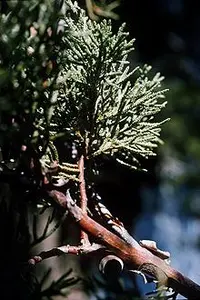
Shrubby horsetail (Ephedra ciliata) is a woody, jointed-stem shrub from arid and semi-arid regions, often found on dry slopes and rocky, sandy soils. It belongs to the ancient Ephedraceae lineage, with thin, green, segmented stems and very small, scale-like leaves. The plant forms low, spreading clumps that tolerate drought and poor soils, which makes it relatively undemanding once established. Its tough structure and deep roots help it survive wind, heat, and limited water. Gardeners who care for Shrubby horsetail should note that it prefers full sun, sharply drained soil, and minimal excess moisture, especially in cool, wet climates.

Care Difficulty
Moderate Care

Light Preference
Full Sun

Water Requirements
Low Water

Temperature Preference
Cold Hardy

Hardiness Zone
5–8

Soil Texture
Sandy, Loamy, Rocky

Soil pH
Slightly alkaline (7.0–7.5), Alkaline (7.5–8.5)

Soil Drainage
Well-drained

Fertilization
Minimal (feed rarely)
Scan your plant to receive care tips personalized for your specific plant
Available on iOS and Android
This desert shrub needs strong sun exposure to stay compact and healthy.
This drought-adapted shrub prefers infrequent, deep watering and very fast-draining soil.
This species is adapted to continental climates with hot summers and cold winters.
This desert shrub tolerates low humidity and rarely needs special moisture adjustments indoors.
Ephedra ciliata prefers very fast-draining, mineral-based soil that mimics rocky desert slopes.
This species can grow in containers if drainage is excellent and the root zone stays dry between waterings.
Ephedra ciliata is adapted to nutrient-poor soils and usually needs only light feeding in cultivation.
Ephedra ciliata benefits from light structural pruning to keep its wiry stems healthy and manageable.
This species is more often grown in the ground than in pots, so care focuses on careful transplanting rather than frequent repotting.
Ephedra ciliata is most commonly propagated from seed, with cuttings used less often.
This shrub is quite cold hardy in much of the US and usually needs minimal winter care once established.

Plant Health Check
Not sure what's wrong with your plant? Check your plant's health inside the app.
This species has reduced, scale-like leaves and performs most of its photosynthesis in its green, jointed stems, an adaptation that reduces water loss in its arid native habitats.
Ephedra ciliata often grows on sandy or gravelly slopes, where its deep root system helps stabilize loose substrates and reduce erosion in dry steppe and desert environments.
The plant belongs to the genus Ephedra, one of the few living representatives of the ancient gymnosperm group Gnetales, offering insight into seed plant evolution distinct from both conifers and flowering plants.

Pollen studies show that Ephedra ciliata and related species have persisted in Central Asian drylands since at least the late Quaternary, making this plant useful as an indicator of long-term arid and semi-arid climate conditions in paleoecological research.
This species spreads slowly by woody, jointed stems and shallow roots, not by invasive underground runners. In most garden settings it forms a contained clump and is unlikely to become aggressively spreading if space and moisture are moderate.
Keep your plants happy and healthy with plant identification, disease detection, and easy care guidance.