Ironwort Care (Sideritis syriaca)

Also known as: Cretan Mountain Tea, Shepherd's Tea
Ironwort

About Ironwort

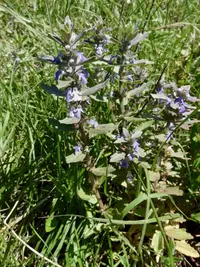
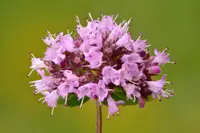
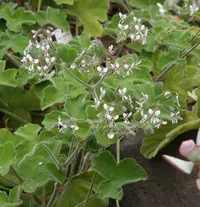
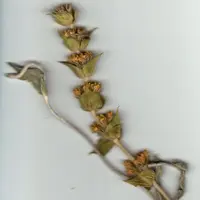
Ironwort, Sideritis syriaca, is a perennial subshrub known for its woolly gray-green leaves and upright flowering stems with pale yellow blooms. It stays relatively compact and forms loose clumps over time.

This species is native to dry, rocky slopes in the eastern Mediterranean, especially mountainous regions. It is adapted to strong sun, wind, and poor, well-drained soils.

The plant is generally undemanding and drought-tolerant, which makes it easier to grow in low-rainfall or xeric gardens. Understanding how to care for Ironwort mainly involves avoiding excess moisture and providing plenty of light.

Main Plant Requirements

Care Difficulty

Easy Care

Light Preference

Full Sun

Water Requirements

Low Water

Temperature Preference

Warm Climate

Hardiness Zone

7–10

Soil Texture

Sandy, Loamy, Rocky

Soil pH

Slightly alkaline (7.0–7.5), Alkaline (7.5–8.5)

Soil Drainage

Well-drained

Fertilization

Minimal (feed rarely)

Get Personalized Care Plan

Scan your plant to receive care tips personalized for your specific plant

Available on iOS and Android

How to Care for the Ironwort

This sun-loving Mediterranean subshrub thrives in bright, open conditions with low humidity.

  • Provide 6–8 hours of direct sun daily; full sun is ideal, especially in dry, rocky sites similar to its native habitat.
  • Accepts light partial shade, such as 2–3 hours of dappled afternoon shade, but dense shade leads to weak, floppy stems and sparse flowering.
  • In hot regions, prioritize strong morning sun with slight afternoon protection to reduce leaf scorch, especially in reflective spots near walls or stone.

This drought-adapted herb prefers infrequent, deep watering and very free-draining soil.

  • Allow the top 5–8 cm of soil to dry completely before watering; in most dry climates this means longer gaps between waterings once established.
  • Use rocky, sandy, or gritty soil that drains within a few minutes; persistent surface wetness or water pooling signals poor drainage and high rot risk for Sideritis syriaca.
  • Signs of overwatering include yellowing, soft stems, and a musty smell at the crown, while crisp, brittle foliage and slowed growth indicate underwatering during prolonged heat.

This species is adapted to warm, dry summers and cool, not severely cold, winters.

  • Best growth occurs around 65–80°F (18–27°C), especially in bright, dry conditions with good air movement.
  • Established plants typically tolerate brief drops to about 20–25°F (-6 to -4°C), but repeated hard frosts or wet cold greatly increase crown and root damage.
  • Heat tolerance is high up to about 95°F (35°C) if soil is fast-draining; in prolonged hot spells, avoid overhead watering at night to limit fungal problems.

This species prefers dry air and does not need elevated humidity.

  • Aim for 30–50% humidity, similar to typical indoor air in heated homes.
  • Ironwort tolerates very dry conditions; leaf yellowing or soft, limp growth usually indicates overwatering rather than low humidity.
  • Avoid grouping it with moisture-loving plants or using pebble trays, which can keep foliage too damp and encourage fungal issues.

This plant performs best in very well-drained, mineral-rich soil that mimics rocky, Mediterranean slopes.

  • Use a sandy or gritty mix such as 50–60% coarse sand or horticultural grit with 40–50% lean potting mix to prevent waterlogging.
  • Ensure soil is loose and airy; incorporate perlite or pumice to increase pore space and oxygen around the roots.
  • Maintain slightly alkaline to neutral pH (about 7.0–8.0), adding a small amount of crushed limestone if your soil is noticeably acidic.
  • Avoid heavy clay, peat-heavy blends, or any mix that stays wet longer than 1–2 days, as Sideritis syriaca is highly prone to root rot in saturated conditions.

This species can be grown successfully in containers if provided with fast-draining conditions.

  • Choose a wide, relatively shallow pot to accommodate its spreading, fibrous roots without leaving a deep reservoir of wet soil at the bottom.
  • Use unglazed terracotta to allow evaporation through the pot walls, which helps counter occasional overwatering in compact outdoor groupings.
  • Elevate the container on pot feet or bricks so drainage holes remain clear and water does not pool under the base after rain or irrigation.

Sideritis syriaca is adapted to poor, rocky soils and needs only light feeding in cultivation.

  • Use a very dilute balanced liquid fertilizer (around 1/4 strength) or a small amount of slow-release granules in spring.
  • Feed once at the start of active growth, then again mid-season if foliage looks pale or growth is weak.
  • Avoid rich composts or frequent feeding, which encourage soft, leggy growth and reduce aromatic oil concentration.
  • Do not apply fertilizer in late fall or winter, when the plant is semi-dormant and growth has slowed.

Pruning Sideritis syriaca is mainly used to maintain a compact mound and support flowering performance.

  • Best time is late winter to early spring, trimming back lightly before new growth starts.
  • Shear or pinch back spent flower stems after blooming to encourage bushier side shoots.
  • Remove any dead, damaged, or woody stems with clean, sharp scissors or hand pruners.
  • Avoid cutting into very old, bare wood; keep some leafy growth on each stem to maintain vigor.

This species is usually grown in the ground; transplanting young Sideritis syriaca plants carefully is more important than frequent repotting.

  • Transplant in spring once frost risk has passed, choosing a sunny, very well-drained site with gritty or sandy soil.
  • Move plants only when rootbound in small nursery pots or when growth is clearly stalled despite good light and drainage.
  • Handle the brittle root system gently, keeping the root ball intact and disturbing roots as little as possible.
  • Water in lightly after planting, then allow soil to dry between waterings to reduce transplant shock and root rot risk.

Sideritis syriaca is most often propagated from seed or soft cuttings taken during active growth.

  • Sow fresh seeds in late winter–spring in a gritty, free-draining mix, barely covering them and keeping temperatures around 65–70°F.
  • Provide bright light and moderate moisture; avoid waterlogging to prevent damping-off in seedlings.
  • Take soft to semi-ripe stem cuttings in late spring–early summer, removing lower leaves and inserting into a sandy mix.
  • Maintain high light, gentle airflow, and slightly moist substrate until roots form, then acclimate gradually to drier conditions.

Established Sideritis syriaca is fairly cold tolerant in mild climates but can suffer in prolonged hard frost, especially in wet soils.

  • In USDA zones roughly 7–8, provide sharp drainage so roots stay relatively dry through winter rains.
  • Apply a light gravel or coarse sand mulch around the crown to keep the base dry while avoiding heavy, wet organic mulches.
  • In colder areas or exposed sites, grow Ironwort in containers and move to a cold, bright, frost-free porch or greenhouse for winter.

Care Tips

Encourage Compact Shape

Pinch back soft, green shoot tips in late spring to keep plants low, bushy, and better branched, which increases flowering stems and reduces lodging in windy sites.

Improve Air Circulation

Space plants with at least 25–30 cm between clumps and avoid crowding with taller perennials so foliage dries quickly after rain, reducing foliar disease risk in humid climates.

Protect From Winter Wet

In regions with cold, wet winters, plant on a slight mound or raised bed and add a gravel top-dressing around the crown to keep the base drier and reduce crown rot.

Harvest For Quality

Cut stems for tea just as flower spikes begin to open in the morning after dew has dried, then dry bunches in a single airy layer out of direct sun to preserve aroma and essential oils.

Monitor Salt Sensitivity

Avoid using de-icing salts, salty irrigation water, or runoff from salted driveways near planting areas, since this Mediterranean herb is sensitive to salt accumulation in soil when growing Ironwort.

Common Pests and Diseases

Spider mites

This pest thrives in hot, very dry conditions and can colonize undersides of leaves, causing tiny yellow stippling and fine webbing on Sideritis foliage.

Solution

Rinse foliage thoroughly with a strong but gentle stream of water, focusing on leaf undersides, then improve humidity around plants and reduce heat stress; if populations persist, use insecticidal soap or a horticultural oil labeled for mites and repeat applications as directed.

Powdery mildew

This disease develops in warm, dry air with poor airflow and appears as white, powdery patches on leaves and young stems, which may lead to leaf distortion or early drop.

Solution

Remove and discard heavily affected leaves, increase air circulation by spacing and light pruning, avoid overhead watering late in the day, and apply a sulfur or potassium bicarbonate fungicide if conditions favor ongoing infection.

Leaf spot

Symptoms include small brown or dark spots on the leaves that may merge into larger lesions, especially in humid or rainy periods, reducing the ornamental and herbal quality of the plant.

Solution

Cut off and dispose of spotted leaves, keep foliage as dry as possible by watering at soil level, improve airflow, and if the problem recurs, apply a copper-based fungicide according to label directions while rotating with another product to reduce resistance risk.

Aphids

These insects cluster on new shoots and flower stems, sucking sap and causing curling, distortion, and sticky honeydew that can attract sooty mold on the silvery foliage.

Solution

Dislodge aphids with a firm spray of water, pinch out heavily infested shoot tips, encourage natural predators such as lady beetles, and if needed treat remaining colonies with insecticidal soap or a light horticultural oil, repeating until new growth is clean as part of broader Sideritis syriaca plant care.

Interesting Facts

Cretan mountain specialist

This species is native mainly to mountainous regions of Crete and a few neighboring Aegean islands, where it grows on rocky limestone slopes at relatively high elevations exposed to strong sun and wind.

Woolly leaf armor

Its leaves and stems are densely covered with fine hairs that give a grey‑white, woolly appearance and help reduce water loss, reflect intense sunlight, and protect the plant from temperature extremes in its dry habitat.

Chemically diverse aroma

The plant contains a complex mix of aromatic compounds such as flavonoids and essential oils, which contribute to its distinctive herbal scent and have made it a focus of multiple phytochemical and pharmacological studies.

Botan icon

Did you know?

Sideritis syriaca is traditionally used to prepare so‑called Cretan mountain tea, a caffeine‑free herbal infusion that has been consumed for centuries in Crete and is culturally linked to hospitality and everyday life rather than to formal tea rituals.

FAQs about Ironwort

Lack of flowering usually results from too much shade, overly rich or wet soil, or heavy pruning at the wrong time. Provide strong light, lean well-drained soil, and prune lightly only after flowering to encourage next year’s buds.

Grow Healthy Plants with Botan Care

Keep your plants happy and healthy with plant identification, disease detection, and easy care guidance.

Botan plant care app — identify plants on mobile

Explore More Plants