Lilly Pilly Care (Syzygium smithii)

Also known as: Monkey apple, Lilly-Pilly Tree
Lilly Pilly

About Lilly Pilly

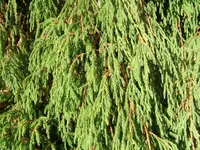
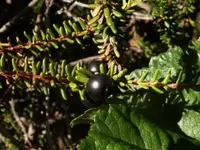
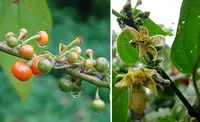
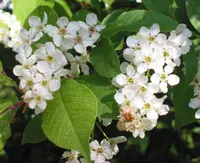
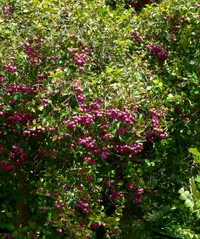
Lilly pilly (Syzygium smithii) is an evergreen shrub or small tree grown for its dense foliage, smooth bark, and decorative berries. It is often used for hedges, screens, and topiary in gardens and landscapes. Native to eastern Australia’s coastal and forested areas, it adapts well to mild climates in many regions. The plant has glossy green leaves, fluffy white flowers, and pink to purple fruit that attract birds. It is generally considered easy to grow if given enough light, moisture, and well-drained soil. For most home gardeners, learning how to care for Lilly Pilly mainly involves managing watering and pruning to keep its shape and vigor.

Main Plant Requirements

Care Difficulty

Moderate Care

Light Preference

Full Sun

Water Requirements

Moderate Water

Temperature Preference

Warm Climate

Hardiness Zone

9–11

Soil Texture

Sandy, Loamy, Clay

Soil pH

Acidic (5.5–6.5), Slightly acidic (6.5–7.0)

Soil Drainage

Moist but well-drained

Fertilization

Minimal (feed rarely)

Get Personalized Care Plan

Scan your plant to receive care tips personalized for your specific plant

Available on iOS and Android

How to Care for the Lilly Pilly

Syzygium smithii grows best with bright light and limited harsh sun exposure.

  • Provide 4–6 hours of sun daily, ideally morning sun with light afternoon shade, to support dense foliage and flowering.
  • Tolerates partial shade (2–4 hours sun) but growth may be looser; in deep shade foliage thins and new shoots become weak and elongated.
  • In hot summers, protect Lilly Pilly from strong afternoon sun to reduce leaf scorch, especially on young plants and in reflective, west-facing sites.

Watering should keep the root zone evenly moist but never saturated.

  • Before watering, let the top 3–5 cm of soil dry, then soak the root area thoroughly so moisture reaches 20–30 cm deep.
  • In the first 1–2 growing seasons, monitor closely in warm, dry weather; drooping new growth and crisp leaf edges indicate the plant is too dry.
  • Good drainage is essential for Syzygium smithii; yellowing leaves, blackened roots, or a sour soil smell indicate chronic overwatering or waterlogged soil.

Consistent mild temperatures support strong growth and year-round foliage quality.

  • Ideal growth occurs around 60–80°F (16–27°C), with slightly cooler nights helping to maintain compact, dense branching.
  • Mature plants tolerate brief drops to about 25–28°F (-4 to -2°C), but young specimens and new flushes of growth are more easily damaged.
  • In hot regions, growth slows above 90°F (32°C); mulch and evening irrigation moderate soil temperature and help reduce heat stress through summer.

Syzygium smithii grows well in moderate ambient humidity and only needs attention in very dry air.

  • Aim for 40–60% humidity, which suits outdoor conditions in many mild climates and most indoor homes.
  • This Lilly Pilly tolerates brief dips to 30–35% humidity but may show browning leaf tips and crispy new growth if kept too dry.
  • Increase humidity by grouping plants, placing containers near but not directly above water features, or using a pebble tray without letting roots sit in water.

Syzygium smithii prefers a slightly acidic, loose, and evenly moist substrate with strong drainage.

  • Use a loamy mix built from roughly 2 parts compost or well-rotted bark, 1 part coarse sand, and 1 part perlite to balance moisture retention and aeration.
  • Target a pH of about 5.5–6.5; avoid alkaline substrates that can reduce nutrient availability and lead to leaf yellowing over time.
  • Ensure water drains freely and does not pool around the root zone, since prolonged saturation encourages root rot and fungal problems.
  • Improve heavy or compacted soil by incorporating coarse sand, fine pine bark, or perlite through the top 15–20 cm before planting to increase pore space.

This species adapts well to container growing when the pot is chosen and managed for its vigorous root system.

  • Select a deep, wide container that allows a developing woody root mass without circling tightly, which can cause long-term instability.
  • Choose a heavy or weighted pot if grown tall, as dense foliage and wet substrate can make the container top-heavy in wind.
  • Raise the container slightly on pot feet or blocks so drainage holes stay clear and excess water escapes quickly after rain or irrigation.

Syzygium smithii responds well to moderate feeding, especially in containers or poor soils.

  • Use a balanced slow-release fertilizer (for example 10-10-10) or well-rotted compost at the start of spring for Lilly Pilly.
  • Feed container plants every 6–8 weeks in the growing season with a diluted liquid balanced NPK at 1/2 strength.
  • Reduce or stop feeding in late fall and winter when growth slows.
  • Water thoroughly after applying fertilizer to prevent root burn and aid nutrient uptake.

Pruning supports dense growth and neat form in Syzygium smithii hedges and specimens.

  • Carry out main pruning in late winter to early spring before strong new growth starts.
  • Remove dead, diseased, or crossing branches first, then thin crowded shoots to improve light and airflow.
  • Tip-trim soft new growth to encourage bushier, tighter hedging and maintain desired height.
  • Use sharp, clean bypass pruners or shears, cutting just above a leaf node or side branch.

Transplanting is more common than repotting, but container-grown plants still need space to grow well.

  • Check for roots circling the pot drainage holes, water running straight through, or slowed growth as signs to move Syzygium smithii.
  • Transplant or repot in early spring or early fall, avoiding extreme heat or frost periods.
  • Shift to a container 1–2 sizes larger every 2–3 years, using a free-draining, slightly acidic mix.
  • Water deeply after moving, keep the rootball evenly moist, and shade from harsh sun for 1–2 weeks to limit stress.

Syzygium smithii is commonly propagated from semi-hardwood cuttings and seeds.

  • Take semi-hardwood cuttings in late summer, 8–12 cm long, with 2–3 leaf pairs.
  • Dip cut ends in rooting hormone and place in a well-drained mix such as 50% perlite and 50% peat or coco coir.
  • Maintain high humidity, gentle bottom warmth around 70–75°F, and bright indirect light until roots form.
  • Sow fresh seed in spring in a moist, free-draining mix and keep just warm and lightly shaded for steady germination.

This species is moderately frost-tolerant but benefits from basic winter care in colder regions.

  • Mature plants usually tolerate light frosts, but young Syzygium smithii may suffer damage below about 25°F.
  • Apply a 5–8 cm mulch layer over the root zone in late fall, keeping it slightly away from the trunk.
  • Wrap small plants or vulnerable stems with frost cloth during forecast hard freezes to limit tissue damage.
  • Move container plants into a bright, frost-free area such as an unheated greenhouse or sheltered porch.

Care Tips

Wind-firm training

In the first 2–3 years, tip-prune long, whippy shoots after windy periods to encourage a denser framework that resists storm damage and reduces branch snapping later.

Low hedge layering

When establishing a dense screen, lightly pin lower, flexible branches to the soil and cover with 2–3 cm of composted mulch so they root and fill gaps at the base over 1–2 seasons.

Psyllid monitoring routine

Inspect new flushes every 1–2 weeks in warm seasons for pimple-like bumps and distorted leaves, and remove or bin affected shoots early before using any targeted pest control products.

Root-zone protection

Keep a 20–30 cm grass-free, mulched strip along the dripline to prevent lawn competition and mechanical damage from string trimmers, which significantly improves vigor over time.

Size control by timing

For precise height control in hedges, carry out main height reductions immediately after a strong flush of growth has hardened, which slows regrowth and reduces the frequency of clipping when growing Lilly Pilly.

Common Pests and Diseases

psyllids

This pest causes tiny raised pimples or bubbles on young leaves, often with leaf distortion and a rough, scarred surface as tissue hardens. Symptoms include poor new growth and a generally rough, unsightly canopy.

Solution

Prune and dispose of heavily distorted shoots, then monitor new flushes of growth closely. For light infestations, hose foliage thoroughly to dislodge nymphs; for repeated problems, use an oil-based or potassium soap spray directed to the undersides of new leaves during early flushes, and avoid heavy nitrogen fertiliser that pushes very soft growth.

scale insects

These insects appear as small, fixed bumps on stems and leaf undersides, often accompanied by sticky honeydew and black sooty mold. This pest weakens plants by sucking sap, leading to yellowing foliage and reduced vigor.

Solution

Wipe or gently scrub affected stems and leaves with a cloth or soft brush dipped in mild soapy water, then rinse. For larger hedges, use horticultural oil to smother scale, improve light and airflow through the canopy by thinning dense sections, and control ants that farm scale for honeydew.

myrtle rust

This disease produces yellow to orange powdery spots and pustules on young leaves, shoots, and sometimes fruit, which can lead to leaf distortion, browning, and dieback. Symptoms include premature leaf drop and thinning foliage, especially on soft new growth.

Solution

Promptly prune and bag infected shoots, avoiding contact with healthy foliage, and dispose of waste in the trash rather than composting. Reduce humidity around the plant by improving spacing and airflow, avoid overhead watering, and in regions where myrtle rust is established follow local Lilly Pilly care instructions regarding approved fungicide options and reporting requirements.

leaf spot

This disease causes small, dark, water-soaked spots that can enlarge and merge, sometimes with a yellow halo around them. Symptoms include patchy, thinning foliage and in humid conditions may show fungal growth on the leaf surface.

Solution

Remove and discard affected leaves from the plant and ground to reduce reinfection, and water at soil level to keep foliage dry. Improve air circulation by thinning dense growth, avoid frequent light watering that keeps leaves damp, and where outbreaks persist consider a copper-based fungicide used according to label directions.

sooty mold

This disease appears as a black, soot-like coating on leaves and stems that grows on the sugary honeydew left by sap-sucking insects such as scale and aphids. Symptoms include dull, blackened foliage and reduced photosynthesis, which can slow growth.

Solution

Address the underlying sap-sucking insects first, then gently wash affected leaves with water and a few drops of mild soap to remove the mold layer. Improve light penetration and airflow through pruning, and monitor for returning honeydew to catch any renewed insect activity early.

Interesting Facts

Natural rainforest understory

This species is native to cool and warm temperate rainforests of southeastern Australia, where it naturally grows as an understory or mid‑canopy tree under taller eucalypts and other canopy species.

Bird‑dispersed berries

Its pink to purple edible berries are a significant food source for native birds such as currawongs and pigeons, which disperse the seeds across the landscape.

Coastal wind tolerance

In its native range this tree often grows on coastal slopes and gullies and shows a notable tolerance to salt‑laden winds, which is why it is widely used as a coastal hedge and shelterbelt species.

Botan icon

Did you know?

This species was historically one of the first Australian native trees widely adopted in formal horticulture in cooler parts of Europe and New Zealand during the 19th century, valued for its dense foliage, neat growth habit, and ability to be clipped into structured hedges and topiary.

FAQs about Lilly Pilly

Growth is usually moderate to fast, about 30–90 cm per year in suitable climates. Rate depends on soil fertility, moisture, sunlight, and temperature. Regular pruning and balanced fertilizing can maintain dense form without slowing development excessively.

Grow Healthy Plants with Botan Care

Keep your plants happy and healthy with plant identification, disease detection, and easy care guidance.


Botan plant care app — identify plants on mobile

Explore More Plants