Iberian Wild Pear Tree Care (Pyrus bourgaeana)

Iberian Wild Pear Tree

About Iberian Wild Pear Tree

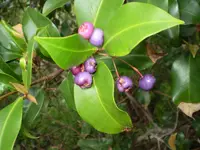
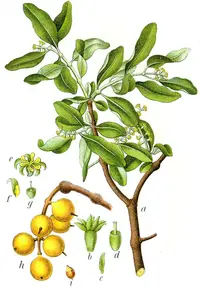
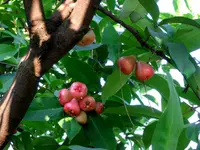
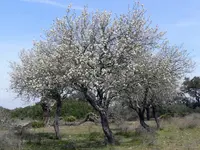
The Iberian wild pear, Pyrus bourgaeana, is a small deciduous tree or large shrub native to the southwestern Iberian Peninsula and parts of North Africa. It typically has a rounded, open crown with glossy green leaves and small white spring flowers followed by hard, marble-sized pears. In the wild it often grows in dry woodlands and scrub, showing good tolerance to heat, drought, and relatively poor, stony soils. These traits make it a resilient but somewhat slow-growing species that suits low-maintenance, naturalistic plantings. Those wanting to care for Iberian Wild Pear Tree should note that it prefers full sun, moderately dry conditions, and well-drained soil.

Main Plant Requirements

Care Difficulty

Moderate Care

Light Preference

Full Sun

Water Requirements

Low Water

Temperature Preference

Warm Climate

Hardiness Zone

8–10

Soil Texture

Sandy, Loamy, Rocky

Soil pH

Slightly acidic (6.5–7.0), Neutral (7.0)

Soil Drainage

Well-drained

Fertilization

Minimal (feed rarely)

Get Personalized Care Plan

Scan your plant to receive care tips personalized for your specific plant

Available on iOS and Android

How to Care for the Iberian Wild Pear Tree

This Mediterranean wild pear thrives in open, bright conditions with strong seasonal light variation.

  • Provide full sun for 6–8 hours daily; young trees benefit from morning sun with light afternoon shade in very hot inland sites.
  • The Iberian Wild Pear Tree tolerates light partial shade (3–4 hours direct sun) but flowering and fruiting decrease as shade increases.
  • In hot summers, protect from reflected heat and scorch by avoiding west-facing walls; in winter, unobstructed sun helps ripen wood and support bud formation.

This drought-tolerant species prefers deep, infrequent watering once established rather than constant moisture.

  • For in-ground trees, allow the top 5–8 cm of soil to dry, then water slowly and deeply so moisture reaches 30–40 cm depth, especially in the first 2–3 years.
  • In summer, increase watering during prolonged dry periods, watching for dull, folding leaves as a sign of thirst; reduce frequency in cool, rainy seasons.
  • Ensure sharply drained soil; puddling that lasts over 2–3 hours, yellowing leaves, or blackening roots indicate overwatering risk for Pyrus bourgaeana.

This hardy wild pear tolerates a wide climate range but performs best with cool winters and warm, not scorching, summers.

  • Optimal growing temperatures are around 60–80°F (16–27°C) during the active season, with good air movement around the canopy.
  • Mature trees generally tolerate winter lows near 10–15°F (-12 to -9°C) once established, but young plants benefit from protection during hard frosts.
  • In heatwaves above 95°F (35°C), stress increases; provide soil mulching and avoid heat-reflecting surfaces to limit root and leaf damage.

This species is adapted to dry Mediterranean air and usually does not need humidity adjustment outdoors.

  • Optimal humidity is around 30–50%, matching arid to semi-arid conditions common in its native range.
  • The Iberian Wild Pear Tree tolerates extended dry air without leaf damage if roots have steady soil moisture.
  • Humidity stress shows mainly as marginal leaf scorch during hot, dry winds combined with drought rather than from low air humidity alone.

Pyrus bourgaeana prefers mineral, well-drained soils that do not stay waterlogged.

  • Use a sandy or gravelly loam with moderate organic matter so water drains within a few hours after irrigation.
  • Aim for slightly acidic to neutral pH, around 6.0–7.5, which supports nutrient availability and root health.
  • In planting mixes, combine 50–60% loam or sandy topsoil with coarse sand or fine gravel plus 10–20% compost.
  • Avoid compacted clay, standing water, or heavy peat-based mixes; improve drainage and aeration by adding grit or coarse sand and planting on a slight mound if needed.

This tree can be grown in containers only on a temporary or dwarfing basis due to its eventual size.

  • Select a deep, heavy pot that resists tipping, as the woody canopy becomes top-heavy in wind.
  • Choose thick-walled terracotta or similar porous material to reduce excess moisture retention in cool, wet periods.
  • Use a tall container profile to accommodate a strong taproot and encourage downward growth rather than shallow circling roots.

This Mediterranean wild pear usually needs minimal feeding in the ground, but light nutrition supports young or stressed plants.

  • Use a balanced slow-release fertilizer (around 8-8-8 or 10-10-10) or a thin layer of well-rotted compost in early spring for caring for Iberian Wild Pear Tree.
  • Apply once in spring and, if growth is weak, once again in early summer during the active growing season.
  • Dilute liquid fertilizers to 1/2 strength for container-grown trees to avoid root burn and salt buildup.
  • Stop feeding in late summer so Pyrus bourgaeana hardens growth before winter dormancy.

Pruning Pyrus bourgaeana is mainly about maintaining structure and removing problem wood rather than heavy shaping.

  • Carry out pruning in late winter to very early spring, while the tree is still dormant and leafless.
  • Remove dead, diseased, damaged, or crossing branches first, cutting back to healthy wood with clean, sharp bypass pruners or a pruning saw.
  • Thin crowded interior shoots to improve light penetration and air flow, which supports healthier growth and flowering.
  • Limit cuts on mature trees to moderate shaping of the crown, preserving the natural form and main framework branches.

This species is usually grown in the ground, so focus on correct transplanting of young trees rather than frequent repotting.

  • Transplant container-grown Pyrus bourgaeana in late winter or early spring before new growth starts, when stress is lowest.
  • Look for roots circling the pot, water running straight through, or very slow growth as signs a young tree needs a larger container or planting out.
  • Handle the root ball gently, teasing only lightly at circling roots, and keep the original soil level at the same depth in the new site.
  • Water thoroughly after transplanting, then keep soil evenly moist (not waterlogged) for several weeks to help new roots establish.

Pyrus bourgaeana is most commonly propagated from seed, with vegetative methods used less often in home settings.

  • Collect ripe seeds in autumn and clean off fruit pulp to reduce fungal problems during storage and sowing.
  • Provide cold stratification at about 35–40°F for 2–3 months in moist but not wet medium to break seed dormancy.
  • Sow stratified seeds in free-draining soil in spring, keeping the surface just moist and protecting trays from rodent damage.
  • Use semi-hardwood cuttings in late summer only under controlled conditions with rooting hormone, bottom heat, and high humidity.

Mature Pyrus bourgaeana is moderately cold hardy and usually needs little special winter care once established in suitable climates.

  • Young or newly planted trees benefit from 5–8 cm of organic mulch over the root zone, kept away from the trunk base.
  • In colder regions or exposed sites, wrap the lower trunk with breathable tree wrap to reduce bark cracking from freeze–thaw cycles.
  • Container-grown specimens in marginal climates should be moved to a sheltered, unheated but frost-free spot for winter.

Care Tips

Wind-firm training

In the first 3–4 years, stake the young tree and gradually loosen ties each spring so the trunk flexes slightly in wind, which encourages a thicker, more stable trunk and better anchorage.

Deep root encouragement

During establishment, water less often but for longer sessions to moisten soil 30–40 cm deep, which promotes a deep root system that improves drought tolerance and long-term stability.

Targeted suckers control

Check the base and main roots 2–3 times per year and remove any root suckers cleanly at their point of origin to prevent wasted energy and preserve the desired single-trunk structure.

Flower and fruit thinning

In heavy bloom or fruiting years, remove crowded flower clusters or excess young fruits so that remaining pears size up better and the tree does not exhaust itself, especially on poor, dry sites.

Wildlife and bark protection

Use a breathable trunk guard and a simple wire mesh cylinder around the base in the first years to protect thin bark and young roots from rabbits, rodents, and deer while still allowing air flow and easy inspection when caring for Iberian Wild Pear Tree.

Common Pests and Diseases

Pear psylla

This pest feeds on young shoots and leaves, producing sticky honeydew that leads to sooty mold and reduced vigor. Symptoms include leaf curling, yellowing, and presence of small jumping insects on new growth.

Solution

Monitor young shoots in spring and early summer and prune out heavily infested tips. Use a strong water spray to dislodge nymphs, encourage natural predators such as lady beetles, and, if needed, apply a targeted insecticidal soap or horticultural oil when nymphs are small and before flowering to reduce impact on pollinators.

Pear rust

This disease causes bright orange to red leaf spots and can also deform fruit, especially where juniper species grow nearby as alternate hosts. Symptoms include thickened, discolored lesions on leaves and sometimes twig swellings.

Solution

Remove and destroy affected leaves and fruit to reduce spore load, and avoid planting susceptible junipers close to the tree. Improve airflow by thinning branches and, in high-risk areas, apply a labeled protective fungicide at leaf emergence and again during the main infection period if the disease recurs regularly.

Fire blight

This disease leads to blackened, wilted blossoms and shoots that bend into a characteristic shepherd’s crook. Symptoms include a scorched appearance of flowers and twigs and can progress rapidly in warm, wet conditions.

Solution

Prune out infected shoots 20–30 cm below visible symptoms during dry weather, disinfecting tools between each cut with 70% alcohol or a bleach solution. Avoid high-nitrogen fertilization that stimulates soft, susceptible growth, and in areas with a history of fire blight, consider preventive copper-based sprays at bloom while following local guidelines to limit resistance and phytotoxicity.

Pear scab

This disease produces dark, velvety spots on leaves and fruit, which can crack and deform as they expand. Symptoms include premature leaf drop and rough, scabby areas on the fruit skin.

Solution

Collect and destroy fallen leaves in autumn to reduce overwintering spores and keep the canopy open with regular structural pruning to promote faster drying. In locations with recurring scab problems, apply a suitable protectant fungicide from early leaf-out through the main wet period, following label intervals and avoiding unnecessary treatments.

Codling moth

This pest damages fruit by tunneling into developing pears, leaving small entry holes and frass, and causing premature fruit drop. Symptoms include wormy, internal breakdown of the fruit around the core.

Solution

Remove and dispose of infested and fallen fruit promptly to interrupt the life cycle and reduce later generations. Use pheromone traps to monitor adult activity and, when needed, time applications of a selective product such as Bacillus thuringiensis or granulosis virus to coincide with egg hatch, while maintaining habitat for birds and beneficial insects that feed on larvae.

Interesting Facts

Iberian endemism

Pyrus bourgaeana is naturally restricted to the southwestern Iberian Peninsula and adjacent areas of Morocco, where it occupies Mediterranean scrub, dehesa woodlands, and forest edges rather than intensively cultivated land.

Key carnivore food source

In Mediterranean ecosystems, its small, hard fruits persist into autumn and winter and form an important seasonal food for carnivores such as red foxes and badgers, which then disperse the seeds through their droppings.

Genetic contact with pear crops

Wild populations occur near traditional pear orchards, and gene flow has been documented between this species and cultivated pears, making it relevant for long-term Pyrus bourgaeana care and conservation genetics.

Botan icon

Did you know?

Pyrus bourgaeana often establishes as scattered, isolated trees in open Mediterranean landscapes, and these solitary individuals can act as structural keystone elements by providing shade, perching sites, and microhabitats that strongly influence local plant and animal communities far beyond the tree’s small physical footprint.

FAQs about Iberian Wild Pear Tree

Growth is generally slow to moderate. Young trees often add about 15–30 cm of height per year under good conditions, then slow as they mature. Poor soil, drought, or root disturbance can reduce this rate further.

Grow Healthy Plants with Botan Care

Keep your plants happy and healthy with plant identification, disease detection, and easy care guidance.

Botan plant care app — identify plants on mobile

Explore More Plants