Glove and tong handling
Always handle pads using thick leather gloves and long metal tongs to avoid injury and to prevent crushing tissue, which reduces rot risk at cut or contact points.

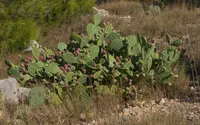
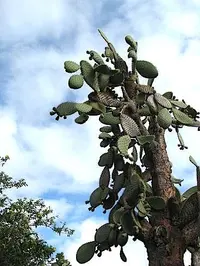
Erect pricklypear (Opuntia stricta) is a shrubby cactus known for its upright, branching pads and sharp spines. It often forms dense clumps in warm, dry regions.
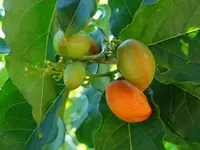
This species is native to parts of North and South America and has naturalized in many coastal and arid areas worldwide. Its showy yellow flowers are followed by fleshy fruits that can attract wildlife.
Thick pads store water, so the plant tolerates drought and neglect, which makes it relatively simple to care for erect pricklypear. It prefers strong light, low to moderate moisture, and gritty, very well-drained soil.

Care Difficulty
Easy Care

Light Preference
Full Sun

Water Requirements
Low Water

Temperature Preference
Warm Climate

Hardiness Zone
9–11

Soil Texture
Sandy, Loamy, Rocky

Soil pH
Slightly acidic (6.5–7.0), Slightly alkaline (7.0–7.5)

Soil Drainage
Well-drained

Fertilization
Minimal (feed rarely)
Scan your plant to receive care tips personalized for your specific plant
Available on iOS and Android
Opuntia stricta thrives in strong, direct light typical of open, arid habitats.
This cactus is highly drought tolerant and prefers infrequent, deep watering.
This species prefers warm to hot conditions and does not tolerate extended hard freezes.
Humidity is rarely a limiting factor for this arid-adapted cactus.
This cactus needs a very fast-draining, mineral-rich soil to prevent root and stem rot.
This species grows well in containers when given strong drainage and a stable setup.
Opuntia stricta needs only light feeding, as it is adapted to nutrient-poor soils.
Pruning Opuntia stricta is mainly for safety, size control, and removing damaged pads.
This cactus is usually transplanted infrequently, only when outgrowing its space or becoming rootbound.
Opuntia stricta is commonly propagated from pad cuttings and, less often, from seed.
In mild climates this cactus usually needs minimal winter care but is vulnerable to prolonged hard freezes.

Plant Health Check
Not sure what's wrong with your plant? Check your plant's health inside the app.
This species frequently dominates coastal dune systems in its native range, where its shallow, spreading roots stabilize loose sand and its pads tolerate intense sun, salt spray, and periodic sand burial.
Outside its native range, especially in parts of eastern and southern Africa and Australia, it has become a major invasive cactus, forming dense thickets that displace native plants and hinder livestock movement.
Its fleshy fruits are eaten by many bird species, which pass the seeds through their digestive systems; this scarification process increases seed germination and strongly contributes to the plant’s long-distance dispersal.

In regions where it is invasive, classical biological control using specialized South American cactus-feeding moths and cochineal insects has been implemented to suppress its populations, providing one of the better-known examples of targeted biocontrol against a cactus species.
This species spreads mainly through pads that root where they touch soil and by seed. In mild, dry climates it can naturalize and form dense thickets, so monitor edges, remove unwanted pads, and dispose of fragments carefully.
Keep your plants happy and healthy with plant identification, disease detection, and easy care guidance.