elephantear pricklypear Care (Opuntia tuna)

elephantear pricklypear

About elephantear pricklypear

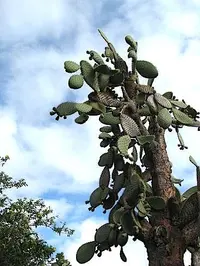
Elephantear pricklypear (Opuntia tuna) is a shrubby cactus with broad, flat pads that resemble large ears. It typically forms dense, upright clumps with a branching habit. The pads are dotted with sharp spines and tiny barbed bristles, and in suitable conditions it produces showy flowers followed by colorful, edible fruits. This species is native to arid and semi-arid regions of the Americas but is now grown in many warm, dry climates. Its drought tolerance and low nutrient needs make it relatively easy to maintain, but the spines require careful handling. Those learning how to care for elephantear pricklypear should note its preference for strong light, low humidity, and very well-drained, gritty soil.

Main Plant Requirements

Care Difficulty

Easy Care

Light Preference

Full Sun

Water Requirements

Low Water

Temperature Preference

Tropical / Frost Sensitive

Hardiness Zone

10–12

Soil Texture

Sandy, Loamy, Rocky

Soil pH

Slightly acidic (6.5–7.0), Slightly alkaline (7.0–7.5)

Soil Drainage

Well-drained

Fertilization

Minimal (feed rarely)

Get Personalized Care Plan

Scan your plant to receive care tips personalized for your specific plant

Available on iOS and Android

How to Care for the elephantear pricklypear

This cactus thrives in strong sunlight but benefits from gradual acclimation outdoors.

  • Provide 6–10 hours of direct sun daily, ideally with gentle morning sun and some protection from intense late-afternoon summer rays.
  • In very hot regions, use light afternoon shade or filtered light to prevent pad scorching and yellowing, especially for young elephantear pricklypear plants.
  • Watch pad color and growth; pale, stretched pads indicate insufficient light, while brown, corky patches on sun-exposed sides suggest sunburn and too-rapid light increase.

This desert-adapted species needs infrequent, deep watering and fast-draining soil.

  • Water only when the top 5–8 cm of soil are completely dry; in hot, dry weather this may be every 2–4 weeks, less often in cool seasons.
  • Use gritty, fast-draining soil so water runs through in seconds; standing water or heavy clay strongly increases root-rot risk for Opuntia tuna.
  • Signs of overwatering include soft, mushy pads and a sour smell; wrinkled, slightly shriveled pads signal it is time for a thorough soak.

This species prefers warm, arid conditions and tolerates significant heat when established.

  • Active growth is strongest around 70–90°F (21–32°C), with slower growth but good tolerance up to about 100°F (38°C) if soil is dry and air is moving.
  • Mature plants usually handle brief drops to 25–28°F (-4 to -2°C), but repeated hard freezes can scar or kill younger pads and roots.
  • In colder climates, provide winter protection from prolonged frost and cold, wet soil, which together are more damaging than low air temperature alone.

This cactus prefers dry air and does not need extra humidity.

  • Aim for 20–40% humidity, similar to a typical heated indoor room or arid outdoor climate.
  • Brown or translucent soft pads and mold at the soil line usually indicate humidity is too high and airflow is poor.
  • If air is extremely dry and hot, protect elephantear pricklypear from strong drying drafts rather than adding moisture to the air.

Opuntia tuna needs very fast-draining, mineral-heavy soil to avoid root rot.

  • Use a gritty mix such as 50–60% pumice, perlite, or coarse sand blended with 40–50% lean cactus potting mix.
  • Target slightly acidic to neutral pH around 6.0–7.0, avoiding strongly acidic or alkaline extremes that limit nutrient uptake.
  • Increase aeration by adding chunky mineral components 5–10 mm in size so water drains through within seconds after watering.
  • Avoid dense, peat-heavy, or clayey soil that stays wet for more than 1 day, as this promotes root and pad rot.

This species is well suited to container growing if the pot is prepared for its spreading, heavy pads.

  • Choose a wide, low container to counterbalance the horizontal spread of pads and reduce tipping risk in wind.
  • Select unglazed terracotta or similarly porous material so the root zone dries quickly between waterings.
  • Place the pot on feet or bricks so drainage holes stay clear and water cannot pool under the container.

Opuntia tuna grows well in lean soils and needs only light, targeted feeding for container or intensively grown plants.

  • Use a low-strength balanced cactus fertilizer (for example 5-5-5) or very dilute balanced liquid feed at 1/4–1/2 label strength.
  • Apply once every 4–6 weeks during the warm growing season if growth is weak or pads are pale.
  • Avoid high-nitrogen products, which cause overly soft pads more prone to rot and pests.
  • Stop feeding elephantear pricklypear in late summer so new growth hardens before cooler weather.

Pruning Opuntia tuna is mainly done to manage size, remove damage, and keep pads spaced for good light and airflow.

  • Best time is late spring to early summer, once active growth has started and frost risk has passed.
  • Cut away dead, diseased, storm-damaged, or crossing pads to reduce rot risk and improve structure.
  • Remove crowded or downward-hanging pads to shape the plant and maintain stable, upright growth.
  • Use long-handled tongs and a clean, sharp knife or pruning saw, cutting at the pad joint and allowing wounds to dry.

Most Opuntia tuna plants grow best in the ground, but container specimens or young plants sometimes need moving to fresh space.

  • Check for roots circling the pot, pushing through drainage holes, or for slow growth despite good light as signs a larger container is needed.
  • Plan repotting or transplanting in late spring to early summer, every 3–5 years for containers or when in-ground clumps outgrow their space.
  • Water lightly 2–3 days before moving, then lift the plant by pads supported with folded newspaper or tongs to avoid breaking roots.
  • Set into a slightly larger pot or new ground hole with gritty, fast-draining soil, keep roots at the same depth, and hold water for 5–7 days to limit stress.

New Opuntia tuna plants are most commonly started from pad cuttings, which root reliably in warm, dry conditions.

  • Take healthy, mature pads in late spring or early summer, using a clean, sharp knife to separate at the joint.
  • Let cut pads dry and callus in bright, indirect light for 7–14 days until the cut surface is firm.
  • Plant callused pads upright, burying the lower 2–3 cm in dry, gritty cactus mix, and keep barely moist until roots form.
  • Maintain warmth at 70–80°F and bright light; once new pads appear, water more deeply and gradually increase sun.

Mature Opuntia tuna is moderately cold tolerant but benefits from simple measures in climates with hard freezes.

  • In-ground plants in mild regions usually tolerate light frost and short dips slightly below 32°F if soil drains well.
  • Apply a 5–8 cm layer of coarse gravel or mineral mulch around the base to insulate roots while keeping the crown dry.
  • In colder climates, grow in containers and move indoors to a bright, cool, dry spot before sustained freezes.

Care Tips

Rooting Fallen Pads

Allow broken or pruned pads to dry and callus for 7–10 days, then plant them upright only 2–3 cm deep in very gritty mix to produce new plants with minimal rot risk.

Stabilizing Heavy Clumps

As pads multiply and become top-heavy, use low, discreet rock edging or U-shaped landscape pins at the base to anchor the plant and prevent wind from levering the roots out of the soil.

Sun-Hardening New Plants

When moving nursery plants or fresh cuttings outdoors, increase direct sun exposure over 10–14 days to prevent pad scorching and wrinkling, starting with morning sun only.

Winter Wet Protection

In regions with cool, wet winters, mound the planting area 10–20 cm above grade and add a simple clear rain shield or cold frame so pads stay dry while still receiving bright light.

Tongs And Cardboard Handling

Use long kitchen tongs and a folded piece of thick cardboard to safely hold and support pads during pruning, repotting, or dividing when caring for elephantear pricklypear, which reduces damage to pads and keeps glochids off the skin.

Common Pests and Diseases

Cochineal scale

This pest forms dense white, cottony clusters on pads and produces red carmine dye when crushed. Symptoms include yellowing pads, stunted growth, and sooty mold developing on the sticky secretions.

Solution

Prune and discard heavily infested pads, then spray remaining pads thoroughly with a strong jet of water to dislodge insects. Follow with applications of insecticidal soap or horticultural oil every 7–10 days until clusters no longer reappear, and avoid overhead watering that keeps pads wet for long periods.

Cactus mealybugs

These insects hide in pad joints and spines as white, cottony masses and suck sap, causing yellow patches and weakened growth. Honeydew deposits may lead to sooty mold on the cladodes (pads).

Solution

Wipe visible clusters with cotton swabs dipped in 70% isopropyl alcohol, then use insecticidal soap or a light horticultural oil to reach hidden insects. Improve air circulation around the plant and avoid overfertilizing, which encourages soft, susceptible growth.

Nopal cactus weevil

This pest bores into pads and stems, where larvae tunnel and feed, causing drooping segments, collapse of pads, and internal rot. Symptoms include small entry holes and blackened, foul-smelling tissue inside affected pads.

Solution

Remove and destroy all infested pads as soon as tunneling or collapse is noticed, cutting well into healthy tissue. Keep plants vigorous but not overwatered, remove fallen debris that can harbor larvae, and in outdoor plantings monitor regularly during warm months to catch early damage.

Phyllosticta pad spot

This disease causes circular tan to gray spots with dark margins on pads that may coalesce into large, sunken lesions. Severe infections can lead to pad scarring, deformation, and slower growth.

Solution

Cut off and discard heavily spotted pads, disinfecting pruning tools between cuts. Reduce overhead watering, improve spacing for better airflow, and if needed apply a copper-based fungicide labeled for cacti at the first sign of new spotting, following label intervals.

Helminthosporium pad rot

This disease starts as small, water-soaked lesions that quickly enlarge into dark, sunken, sometimes soft areas on pads, especially after extended rain or irrigation. In advanced cases, entire pads can collapse and detach from the plant.

Solution

Remove and destroy all affected pads promptly and keep wounds small and clean when pruning. Provide sharp drainage, avoid frequent overhead watering, and in humid or rainy periods use a preventive fungicide registered for cactus pad rot on outdoor plantings at labeled intervals.

Interesting Facts

Island-invasion specialist

This species has become a serious invasive plant on several Atlantic islands, such as Madeira and the Canary Islands, where dense thickets of its pads outcompete native coastal vegetation and alter dune dynamics.

Sea-dispersed pads

Detached pads of this cactus tolerate salt spray and can float short distances in coastal waters, allowing the plant to colonize new rocky shores and cliffs along warm-temperate and subtropical coasts.

Edible red fruits

The plant produces deep red, fleshy fruits that are eaten locally in parts of its native range and in some invaded regions, although the small, hard seeds and spines require careful handling and preparation.

Botan icon

Did you know?

In several regions where it has become naturalized, this species has been deliberately used as a living barrier on steep coastal slopes and cliffs, because its dense, spiny pads discourage human access and help stabilize fragile soils against erosion.

FAQs about elephantear pricklypear

This cactus performs best outdoors in full sun and well-drained, low-rainfall sites. Indoors it often grows slowly, may etiolate, and is more prone to rot. Provide maximum light and very sparing water if kept inside.

Grow Healthy Plants with Botan Care

Keep your plants happy and healthy with plant identification, disease detection, and easy care guidance.

Botan plant care app — identify plants on mobile

Explore More Plants