donkey ears Care (Kalanchoe gastonis-bonnieri)

Also known as: Donkey Ears
donkey ears

About donkey ears

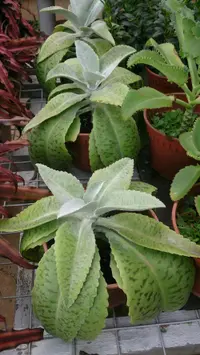
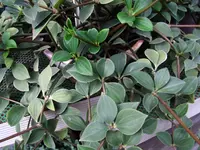
Donkey ears (Kalanchoe gastonis-bonnieri) is a succulent perennial known for its large, elongated leaves that resemble donkey ears and often show brownish spots and margins. It forms a rosette and can produce tall flower spikes with tubular, hanging blooms.

This species is native to Madagascar but is grown in many warm and dry regions as an ornamental container or landscape plant. Its fleshy leaves store water, which makes it relatively forgiving of missed watering and suitable for beginners.

The plant prefers bright light, moderate watering, and a well-drained, gritty soil mix. These traits, combined with its drought tolerance, make it straightforward to care for donkey ears indoors or outdoors in mild climates.

Main Plant Requirements

Care Difficulty

Easy Care

Light Preference

Partial Sun

Water Requirements

Low Water

Temperature Preference

Tropical / Frost Sensitive

Hardiness Zone

10–12

Soil Texture

Sandy, Loamy, Rocky

Soil pH

Acidic (5.5–6.5), Slightly acidic (6.5–7.0)

Soil Drainage

Well-drained

Fertilization

Minimal (feed rarely)

Get Personalized Care Plan

Scan your plant to receive care tips personalized for your specific plant

Available on iOS and Android

How to Care for the donkey ears

This succulent prefers bright light but needs some protection from harsh midday sun.

  • Provide 4–6 hours of direct morning sun with bright, filtered light the rest of the day, especially for donkey ears in hot climates.
  • In very hot regions, give only early sun and move to light shade after 11 a.m. to prevent leaf scorch and brown patches.
  • If stems stretch or leaves lose color, increase light exposure gradually over 7–10 days to avoid sudden sunburn.

This species stores moisture in its leaves and needs infrequent, careful watering.

  • Allow the top 3–5 cm of soil to dry completely before watering; the surface should feel dry and the pot feel lighter when lifted.
  • Water deeply until excess drains out, then discard runoff; use fast-draining, gritty soil to prevent root rot in Kalanchoe gastonis-bonnieri.
  • In winter or cool, low-light periods, extend drying time and watch for soft, yellowing leaves from overwatering or crisp, drooping leaves from underwatering.

Stable, warm conditions support strong growth for this succulent.

  • Aim for 65–80°F (18–27°C) for active growth, with slightly cooler nights down to about 60°F (16°C).
  • Protect from cold; growth slows below 55°F (13°C), and tissue damage occurs near 40°F (4°C), so avoid frost exposure entirely.
  • Tolerates short hot spells up to 90–95°F (32–35°C) if shaded from intense midday sun and given slightly increased airflow.

This species handles typical indoor humidity well and rarely needs adjustment.

  • Best growth occurs around 30–50% relative humidity, matching most heated and air-conditioned homes.
  • Leaves stay healthy in quite dry air, but prolonged humidity above 60% can increase risk of fungal spotting.
  • Humidity stress shows as soft, collapsing leaves or gray mold patches; improve airflow rather than misting to correct this.

Use a sharply draining, airy mix that mimics dry, rocky habitats.

  • Combine 40% cactus mix with 30% coarse perlite or pumice and 30% mineral sand or fine gravel for a lean, open texture.
  • Aim for slightly acidic to neutral pH, roughly 6.0–7.0, which supports nutrient uptake without encouraging rot.
  • Increase aeration by using large-grain amendments (pumice, lava rock, coarse sand) and avoiding fine peat-heavy mixes that compact.
  • For Kalanchoe gastonis-bonnieri, avoid water-retentive clay-based garden soil or dense compost layers that hold moisture around the roots.

This succulent is very suitable for container growing when given a stable, well-drained setup.

  • Choose a wide, low container to balance the top-heavy leaf rosettes and reduce tipping risk in wind or on balconies.
  • Select unglazed terracotta if extra evaporation is needed, or a thicker plastic pot if moisture retention is a problem outdoors.
  • Ensure drainage holes stay clear and slightly elevate the pot on feet or bricks so excess water escapes quickly from the base.

This succulent benefits from light feeding during active growth but does not need heavy fertilization.

  • Use a balanced liquid fertilizer (around 10-10-10 or 20-20-20) diluted to 25–50% strength for donkey ears in spring and summer.
  • Feed every 4–6 weeks while growth is active, skipping any application if the soil is very dry.
  • Reduce or stop fertilizing in fall and winter when growth slows or plants rest.
  • Slow-release granules at low rate or a thin layer of compost can substitute for liquid feeds.

Thoughtful pruning keeps Kalanchoe gastonis-bonnieri compact, tidy, and flowering well.

  • Best time is after flowering, removing spent flower stalks down to the base with clean, sharp scissors or pruners.
  • Trim leggy, stretched stems back to a leaf node to encourage branching and a fuller shape.
  • Cut away any dead, yellowing, or damaged leaves promptly to reduce disease risk.
  • Disinfect tools before and after use to limit transmission of pests and pathogens.

This species prefers slightly tight roots and only needs repotting or transplanting occasionally.

  • Check for roots circling the pot, emerging from drainage holes, or slowed growth as signs it needs more space.
  • Plan repotting or transplanting in spring, about every 2–3 years, using a fast-draining succulent mix.
  • Choose the next container only 2–5 cm wider to avoid excess wet soil around the roots.
  • Gently loosen circling roots, keep the root ball mostly intact, water lightly afterward, and shade for a few days to reduce stress.

Kalanchoe gastonis-bonnieri is commonly propagated from leaf plantlets and stem cuttings.

  • In spring or early summer, detach healthy plantlets that form along leaf edges and place them on barely moist, gritty mix.
  • For stem cuttings, take 8–10 cm pieces, remove lower leaves, and let cut ends callus in dry air for 2–3 days.
  • Set callused cuttings upright in well-drained substrate, keep warm (70–80°F), and water sparingly until roots form.
  • Seeds can be sown on the surface of a sandy mix with bright, indirect light and evenly light moisture.

This succulent is frost sensitive and needs protection in regions with cold winters.

  • Avoid exposure below 40°F; freezing temperatures can damage foliage and stems.
  • In cold climates, grow in containers and move plants indoors before night temperatures drop near 45°F.
  • Provide a bright, cool indoor spot, water sparingly, and keep soil on the dry side in winter.
  • In mild climates, use a light mulch around the root zone to buffer brief cool spells, keeping mulch off the stems.

Care Tips

Offset management

Remove and pot up basal offsets once they have at least 3–4 leaves and visible roots, which keeps the mother plant from becoming overcrowded and allows you to renew the planting with vigorous young rosettes.

Leaf-plantlet use

Harvest the small plantlets that form along leaf edges and root them on barely moist, gritty mix in a shallow tray, then transplant only the strongest ones to individual pots to maintain a compact, uniform collection when growing donkey ears.

Prevent floppy stems

Rotate the pot a quarter turn every 1–2 weeks and keep the plant in a slightly snug container, which encourages sturdier, more self-supporting growth and reduces the need for staking as the rosettes elongate.

Salt and residue control

About once a year, drench the potting mix thoroughly and let water drain completely to flush out built-up fertilizer salts, and gently wipe dust from the large leaves so they can photosynthesize efficiently.

Winter rest adjustment

In winter, extend the dry interval between waterings and avoid repotting or heavy feeding, which supports a mild rest period that improves flowering and overall resilience in the following growing season.

Common Pests and Diseases

Aphids

These insects feed on tender growth and flower stalks, causing curling, distortion, and sticky honeydew on the leaves. This pest also attracts sooty mold on the sugary residues left on donkey ears leaves.

Solution

Rinse colonies off with a strong but controlled stream of water, then spot-treat remaining clusters with insecticidal soap or a dilute neem oil spray, coating leaf undersides and soft stems. In outdoor plantings, encourage natural predators such as lady beetles and avoid excess nitrogen fertilization that drives very soft, aphid-prone growth when growing donkey ears.

Mealybugs

These insects appear as white, cottony clusters along leaf bases, in leaf axils, and on the thick stems, sucking sap and weakening the succulent tissue. This pest often leads to stunted growth and can spread quickly in warm, dry indoor conditions.

Solution

Isolate the plant, then dab visible mealybugs with cotton swabs dipped in 70% isopropyl alcohol to break down their waxy coating. Follow up with insecticidal soap or neem oil every 7–10 days until new growth appears clean, and reduce overcrowding to limit hiding spots in the rosette and along stems.

Powdery mildew

This disease appears as a white, powdery film on the large leaves, especially on older foliage and areas with poor air circulation. Symptoms include patchy discoloration and a dull surface that can reduce photosynthesis if severe.

Solution

Improve airflow around the plant, avoid overhead watering, and remove the worst-affected leaves. In persistent cases, apply a sulfur-based or potassium bicarbonate fungicide labeled for ornamental succulents, making sure the leaf surfaces dry quickly after treatment.

Leaf spot

This disease causes small brown, tan, or dark purple spots on the thick leaves, sometimes with a yellow halo or slightly sunken center. Symptoms include blemished foliage that may eventually dry and drop, especially on overcrowded or overwatered plants.

Solution

Remove and discard affected leaves, then adjust watering so the soil dries well between waterings and foliage stays dry. If spotting continues, use a copper-based fungicide according to label directions and thin dense clusters so air can move freely around the foliage.

Scale insects

These insects appear as small, brown to gray dome-shaped bumps along stems and leaf midribs, remaining fixed in place while sucking sap. This pest leads to yellowing patches, sticky honeydew, and a general loss of vigor if populations build up on the thick succulent stems.

Solution

Gently scrape or wipe scale off stems with a soft cloth or toothbrush dipped in 70% isopropyl alcohol, then treat remaining insects with insecticidal soap or horticultural oil. Repeat treatments every 7–14 days until no new scale appears, and inspect recently acquired plants before placing them near healthy Kalanchoe specimens.

Interesting Facts

Plantlet-covered leaf tips

This species produces long leaves whose tips and margins bear many small plantlets (called bulbils) that are genetically identical to the parent and can root when they fall onto soil.

Distinctive speckled foliage

Mature leaves are thick and fleshy with brown to purplish speckles and blotches, a coloration that tends to intensify in higher light and helps distinguish it from many other Kalanchoe species.

Tall winter flower spikes

Under suitable conditions it sends up tall inflorescences in cooler months, carrying many hanging, tubular, brownish-red to orange flowers that are pollinated by insects in its native range.

Botan icon

Did you know?

The species is monocarpic at the rosette level, which means a mature rosette usually dies after flowering once, but it persists in cultivation because the numerous plantlets on its leaves continuously establish new rosettes around the original plant.

FAQs about donkey ears

Blooming is often triggered by mature age, bright light, and a short, cooler daylength. If conditions are too warm at night, light is low, or the plant is frequently moved or stressed, flower production may be reduced or delayed.

Grow Healthy Plants with Botan Care

Keep your plants happy and healthy with plant identification, disease detection, and easy care guidance.

Botan plant care app — identify plants on mobile

Explore More Plants