


Support tall stems
Install a sturdy, sun-resistant stake or discreet vertical support when the cactus is still under 30–40 cm tall so the column develops straight and is less likely to snap in high winds or during handling.

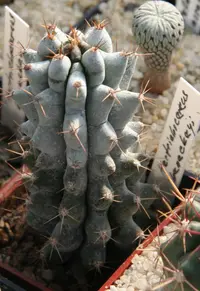
Stenocereus beneckei is a columnar cactus from arid regions of Mexico, where it grows in rocky, well-drained habitats with intense sun. It forms upright, ribbed stems that branch over time, creating a sculptural, tree-like shape. Spines along the ribs offer protection and help reduce water loss.
This species grows slowly and is generally robust if kept dry and bright, which makes it manageable for patient growers. It prefers strong light, low to moderate moisture, and gritty, mineral-rich soil. Understanding how to care for Stenocereus beneckei mainly involves avoiding excess water and providing enough sun.

Care Difficulty
Moderate Care

Light Preference
Full Sun

Water Requirements
Low Water

Temperature Preference
Tropical / Frost Sensitive

Hardiness Zone
10–12

Soil Texture
Sandy, Loamy, Rocky

Soil pH
Slightly acidic (6.5–7.0), Neutral (7.0)

Soil Drainage
Well-drained

Fertilization
Minimal (feed rarely)
Scan your plant to receive care tips personalized for your specific plant
Available on iOS and Android
This desert cactus needs strong light but benefits from gradual acclimation to full sun.
This species stores water in its stems and must dry between waterings to avoid root damage.
This cactus prefers warm, arid conditions and is sensitive to prolonged cold and frost.
This cactus tolerates very dry indoor air and rarely needs humidity adjustment.
This species needs a very fast-draining, mineral-heavy substrate to prevent root rot.
This species is well suited to container culture when given excellent drainage and stability.
Feeding is modest but helpful for container-grown Stenocereus beneckei during its active season.
Pruning needs are low and mainly focused on safety and plant health for Stenocereus beneckei.
Container-grown plants benefit from infrequent, careful repotting that prioritizes root stability.
New plants are most often produced from stem cuttings rather than seeds, which are slower to reach size.
Cold management is important, as this cactus is not hardy to sustained freezing conditions.

Plant Health Check
Not sure what's wrong with your plant? Check your plant's health inside the app.
This species produces tubular, nocturnal flowers along its tall columnar stems that are adapted for bat pollination, with pale coloration and strong scent after dusk to attract flying mammals rather than insects.
It is naturally restricted to a relatively limited area in central Mexico, especially in dry intermontane valleys and rocky slopes, where it forms part of xeric scrub and tropical dry forest vegetation.
The plant develops sharply defined ribs with closely spaced areoles that bear short but conspicuous spines, creating a regular geometric pattern that helps shade the stem surface and reduce water loss in intense sun.

In parts of its native range, this cactus can grow on steep, rocky outcrops where very little soil is present, anchoring itself in rock crevices and surviving with minimal available moisture due to its highly efficient water-storage tissues.
This species grows slowly, usually adding only a few cm in height each year. Growth rate increases with strong light, warm temperatures, and sparse but deep watering. Poor light, cool conditions, and overwatering slow growth significantly.
Keep your plants happy and healthy with plant identification, disease detection, and easy care guidance.

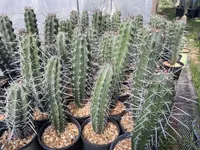
Stenocereus chacalapensis
Stenocereus chacalapensis
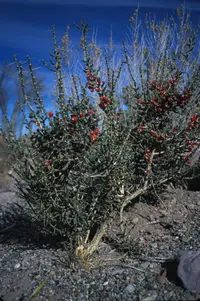
Christmas cactus
Cylindropuntia leptocaulis
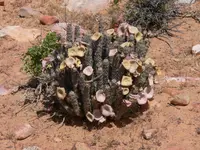
Wild Ghaap
Hoodia gordonii
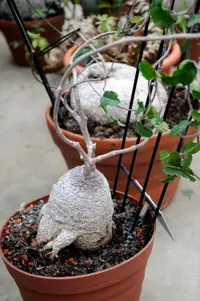 POPULAR
Hottentot Bread
Fockea edulis
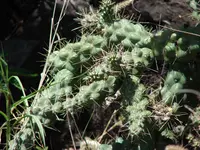
Chain-link Cholla
Cylindropuntia cholla
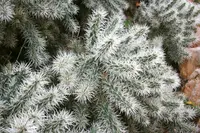
thistle cholla
Cylindropuntia tunicata
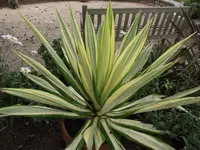
Mauritius hemp
Furcraea foetida
common fishhook cactus
Cochemiea tetrancistra