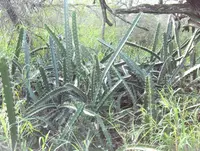
Christmas cactus Care (Cylindropuntia leptocaulis)

Also known as: Tesajo Cactus, Christmas cholla, Pencil Cactus, Desert Christmas cactus, Turkey Pear, Jumping Cactus, Desert Christmas Cholla
Christmas cactus

About Christmas cactus

The Christmas cactus is a segmented, jointed cactus grown mainly as an indoor ornamental for its colorful winter flowers and arching stems. It is an epiphytic cactus, meaning it often grows on trees in nature rather than in deep soil.

In the wild, it comes from coastal mountains and forests of Brazil, where light is bright but filtered and moisture is more regular than in desert habitats. This background explains its preference for bright indirect light, moderate moisture, and airy, well-drained potting mixes.

Cylindropuntia leptocaulis is a different cactus species, but many growers use similar basic principles when they learn how to care for Christmas cactus.

Main Plant Requirements

Care Difficulty

Easy Care

Light Preference

Full Sun

Water Requirements

Low Water

Temperature Preference

Warm Climate

Hardiness Zone

7–11

Soil Texture

Sandy, Loamy, Rocky

Soil pH

Slightly acidic (6.5–7.0), Slightly alkaline (7.0–7.5)

Soil Drainage

Well-drained

Fertilization

Minimal (feed rarely)

Get Personalized Care Plan

Scan your plant to receive care tips personalized for your specific plant

Available on iOS and Android

How to Care for the Christmas cactus

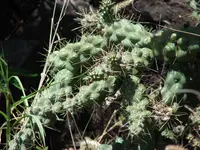
Cylindropuntia leptocaulis thrives in bright, open sites with strong sun exposure.

  • Provide 6–10 hours of direct sun daily; full sun is ideal, though light afternoon shade helps in very hot, low-humidity regions.
  • In partial shade it survives but becomes thinner and more open, unlike shade-tolerant species such as Christmas cactus that prefer filtered light.
  • Monitor for bleaching or purplish pads as a sign of intense sun stress, and for weak, stretched growth as a sign of insufficient light, especially in winter.

This desert cactus prefers infrequent, deep watering and very fast-draining soil.

  • Water only when soil is completely dry at least 5–10 cm deep; in native-style landscapes this may mean long dry intervals between rains.
  • During hot active growth, water after extended dry spells, then let excess drain away fully to avoid root rot in compact or poorly drained soil.
  • In cool seasons, reduce watering sharply; shriveling segments suggest prolonged drought, while blackened, soft bases indicate overwatering damage.

This species is adapted to hot, arid climates but can handle notable cold once established.

  • Aim for active growth in 75–95°F (24–35°C); it also tolerates brief heat up to about 105°F (40°C) if soil is dry and air is moving.
  • Mature plants often withstand short dips to 15–20°F (-9 to -6°C), but young or container plants are safer above 25°F (-4°C).
  • In regions with repeated hard frosts, provide fast-draining, raised sites; in extreme heat, avoid reflected heat pockets near walls that can exceed 110°F (43°C).

This desert cactus tolerates very dry air and usually does not need humidity adjustments.

This species needs very fast-draining, mineral-heavy soil to prevent root and stem rot.

  • Use a gritty, sandy mix such as 50–70% coarse sand or small gravel blended with a cactus potting base.
  • Ensure water runs through in seconds and the mix dries fully between waterings, mimicking rocky desert conditions for Cylindropuntia leptocaulis.
  • Keep pH slightly acidic to neutral (pH 6.0–7.0); avoid dense, compost-heavy blends that hold water.
  • Add extra pumice or perlite to increase aeration if the mix feels even slightly spongy or compacted.

This cactus is suitable for container growing outdoors in sunny, dry locations.

  • Choose a wide, heavy pot to counterbalance the sprawling, jointed stems and reduce tipping in wind.
  • Select unglazed terracotta if faster moisture loss is needed in cooler or wetter climates.
  • Fill the pot shallowly with a very gritty mix so roots anchor the plant without creating a deep, water-holding column of soil.

Cylindropuntia leptocaulis is adapted to nutrient-poor soils and needs only minimal fertilization in containers.

  • Use a low-dose, balanced cactus fertilizer (for example 5-5-5) at half strength during active growth in spring–summer.
  • Apply no more than once every 6–8 weeks to potted plants; in-ground plants usually need none.
  • Skip feeding in fall–winter, unlike Christmas cactus indoor care, to avoid soft, cold-sensitive growth.
  • Flush pots with plain water occasionally to prevent salt buildup in the soil.

Pruning Cylindropuntia leptocaulis is mainly done for safety, shape control, and plant health.

  • Schedule pruning in late winter or early spring, before strong new growth begins.
  • Remove dead, damaged, crossing, or crowded stems at their joints using clean, sharp bypass pruners.
  • Thin dense areas to improve light and air flow, which helps maintain a compact, branching form.
  • Wear thick gloves and long sleeves and dispose of pruned stems carefully to avoid spreading segments.

This cactus seldom needs frequent repotting and is often grown in the ground in arid-style plantings.

  • Plan transplanting or repotting in late spring, once nights are consistently warm.
  • Look for roots circling the pot, slow growth, or soil drying extremely fast as signs it needs more space.
  • Repot every 3–5 years into a slightly larger container with very gritty, fast-draining cactus mix.
  • Minimize root disturbance, keep the root ball mostly intact, and withhold water for 3–5 days afterward to limit stress.

Cylindropuntia leptocaulis is most commonly propagated from stem cuttings, with seeds used less often.

  • Take healthy stem segments in late spring–summer, using sterilized, sharp pruners.
  • Allow cut pieces to dry and callus for 5–10 days in a shaded, airy place before planting.
  • Insert callused segments into barely moist, sharply draining cactus mix and keep warm with bright indirect light.
  • For seed propagation, use fresh seed, a sandy mix, light surface sowing, and gentle bottom warmth to encourage germination.

This species is relatively cold hardy but still benefits from thoughtful winter care in colder regions.

  • Established in-ground plants tolerate light freezes and brief dips near 10–15°F when soil drains well.
  • In marginal climates, add a 5–7 cm layer of gravelly mulch around, not against, stems to insulate roots.
  • Move container plants under cover or indoors to an unheated, bright area if prolonged hard frost is expected.
  • Water very sparingly in winter, keeping soil almost dry to reduce cold damage risk.

Care Tips

Use gravel collar

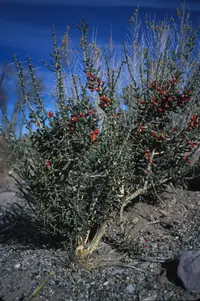
Create a 5–8 cm wide collar of coarse gravel or crushed rock around the base to keep stems off wet soil and reduce stem rot and slug damage.

Install discreet staking

Use low, sturdy pegs or branch supports to gently lift and separate tangled stems, improving air movement and making inspection for scale and mealybugs easier.

Control unwanted spread

Place a buried root barrier or grow in a large container if planted in the ground, since broken stem segments can root readily and become difficult to remove once established.

Handle with proper tools

Use long-handled tongs and thick, smooth-surfaced gloves when pruning or moving segments so spines and glochids do not contaminate skin, clothing, or tool grips.

Winter moisture reduction

In regions with cool, wet winters, use a rain shield or position under an eave to keep the root zone dry, which significantly lowers the risk of cold-related rot compared with uncovered plants.

Everything About Christmas cactus

Common Pests and Diseases

Cochineal scale

This pest appears as white, cottony or crusty patches on pads and stems, often with pink or red staining when crushed. These insects feed on cactus juices and can weaken segments over time.

Solution

Isolate the plant, then physically remove visible colonies with a cotton swab dipped in 70% isopropyl alcohol or a firm spray of water, taking care not to damage joints. For outdoor plantings, encourage natural predators like lady beetles and use a low-residual insecticidal soap or horticultural oil, applied in the evening to avoid sunburn on stems.

Cactus mealybugs

This pest forms fuzzy white clusters in stem joints and sheltered spots, leading to yellowing segments and stunted growth. These insects excrete sticky honeydew that can attract sooty mold fungi.

Solution

Inspect joints and crevices closely and dab individual mealybugs with 70% isopropyl alcohol, repeating weekly until no new pests appear. In heavier infestations on landscape clumps, prune and discard heavily infested segments, then treat remaining stems with insecticidal soap or systemic insecticide labeled for ornamental cacti, following label directions carefully.

Cactus longhorn beetle

This pest’s larvae bore into stems and bases, causing segments to yellow, collapse, or detach, while adults chew notches in pads. Symptoms include sudden dieback of individual branches even when roots are healthy.

Solution

Monitor at dusk and night for adult beetles and remove them by hand into soapy water. Cut out and destroy infested or hollow segments well below visible damage, and avoid wounding plants or overwatering, as stressed specimens are more attractive to egg-laying females.

Heliothis fruit borers

These caterpillars tunnel into the fleshy fruits, leaving entry holes, frass, and prematurely shriveled berries. Damage reduces seed set and can create infection points on fruiting stems.

Solution

Inspect fruits regularly during flowering and fruiting, hand-pick and destroy any caterpillars, and remove damaged fruits before decay spreads. In areas with repeated problems, use light-targeted Bacillus thuringiensis (Bt) sprays timed to early larval stages, taking care to avoid drift onto non-target plants when not needed.

Fusarium stem blight

This disease causes localized brown to black, sunken lesions on stems that may expand and lead to segment collapse, especially after mechanical injury or insect damage. Symptoms include internal discoloration when affected stems are cut open.

Solution

Promptly remove and discard infected segments, cutting back into firm, healthy tissue and sterilizing tools between cuts with alcohol. Improve drainage and air movement around the plant, avoid overhead watering and unnecessary wounding, and in collections with repeated issues, keep new or wounded plants in a drier, well-ventilated area while they callus and recover.

Interesting Facts

Night-blooming strategy

This cactus produces small, pale, strongly scented flowers that often open in the evening or at night, an adaptation that aligns with the activity of nocturnal moth pollinators in arid habitats.

Spine-armored fruit

Its slender red fruits are covered in barbed spines, so they readily catch on fur and clothing, helping the plant spread its seeds across long distances in desert and scrub landscapes.

Wildlife shelter and food

Dense, tangled stems provide protective cover for small mammals and birds, while the juicy but spiny fruits are eaten by wildlife such as deer and rodents, which then disperse the seeds.

Botan icon

Did you know?

Archaeobotanical evidence from sites in the US Southwest shows that Indigenous peoples have long used the edible fruits of this cactus, carefully removing the spines and glochids before eating them fresh or dried as a seasonal food source.

FAQs about Christmas cactus

Lack of blooms usually comes from too much night light, warm nights, or stress from repotting or drafts. Buds also drop if the plant is moved suddenly, kept too dry, or exposed to temperature swings.

Grow Healthy Plants with Botan Care

Keep your plants happy and healthy with plant identification, disease detection, and easy care guidance.

Botan plant care app — identify plants on mobile

Explore More Plants