Mount Everest Care (Curio ficoides)

Also known as: Flatleaf Senecio, Flat Chalkstick
Mount Everest

About Mount Everest

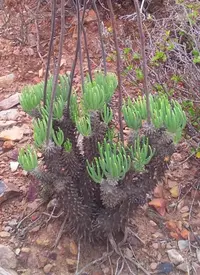
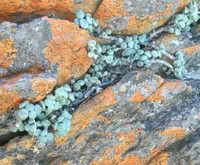
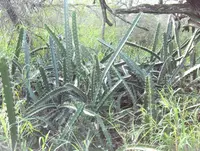
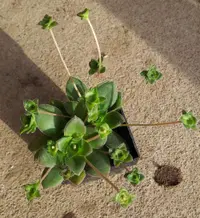
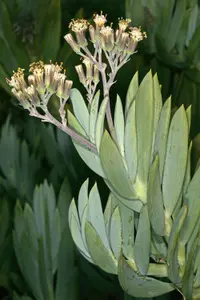
Curio ficoides, often sold as Mount Everest, is a drought-tolerant succulent shrub with upright, bluish-gray stems and narrow, powdery leaves. Its growth is architectural and slightly sprawling, making it suitable for containers and mixed succulent plantings.

This species is native to South Africa, where it grows in sunny, dry habitats with fast-draining, rocky soils. The waxy coating and thick leaves help it store water and tolerate short dry periods.

Because of its strong light needs and sensitivity to overwatering, it is moderately easy but not foolproof for beginners. Those who learn how to care for Mount Everest often find it a resilient and rewarding plant in bright indoor spaces or mild outdoor climates.

Main Plant Requirements

Care Difficulty

Easy Care

Light Preference

Full Sun

Water Requirements

Low Water

Temperature Preference

Warm Climate

Hardiness Zone

9–11

Soil Texture

Sandy, Loamy, Rocky

Soil pH

Slightly acidic (6.5–7.0), Neutral (7.0)

Soil Drainage

Well-drained

Fertilization

Minimal (feed rarely)

Get Personalized Care Plan

Scan your plant to receive care tips personalized for your specific plant

Available on iOS and Android

How to Care for the Mount Everest

Curio ficoides thrives in bright, direct light but benefits from some protection in extreme sun.

  • Provide 4–6 hours of direct morning sun plus bright light for the rest of the day for compact, blue foliage.
  • Tolerates light afternoon sun in mild climates, but in very hot, exposed sites like Mount Everest–inspired rock gardens, give light shade from 1–4 p.m. to prevent leaf scorch.
  • In partial shade (3–4 hours sun), stems may stretch and color fades; move gradually to a brighter spot, especially in winter.

Curio ficoides needs infrequent, deep watering and fast-draining soil to prevent root rot.

  • Water only when the top 3–5 cm of soil are completely dry, then soak thoroughly so water drains quickly away from the root zone.
  • Reduce watering sharply in winter, sometimes to once every 3–4 weeks, especially outdoors in cool, cloudy weather.
  • Signs of overwatering include mushy, yellowing leaves and blackened stems; underwatering shows as wrinkled leaves that feel soft but not slimy.

This succulent prefers warm, dry conditions and is sensitive to freezing temperatures.

  • Aim for 65–80°F (18–27°C) for active growth, with good air movement and low to moderate humidity.
  • Curio ficoides tolerates brief dips to 30–32°F (-1–0°C), but repeated frosts damage foliage; protect or move plants before hard freezes.
  • In hot summers up to 95°F (35°C), growth slows; provide afternoon shade and avoid watering during the hottest part of the day to limit stress.

Curio ficoides handles low indoor humidity well and rarely needs special moisture adjustments.

  • Target 30–50% humidity, similar to most heated or air-conditioned homes, without extra humidifiers.
  • Dry air is usually tolerated; issues arise more from overwatering than from low atmospheric moisture.
  • If tips wrinkle despite moist soil, reduce drafts from heaters or vents rather than adding humidity devices.

Curio ficoides needs a sharply draining, mineral-heavy substrate that prevents water from sitting around the roots.

  • Use a gritty mix such as 50–70% cactus potting mix blended with coarse sand, pumice, or perlite for quick drainage.
  • Keep structure loose and airy; avoid compacted or peat-heavy media that stay wet and exclude oxygen from roots.
  • Aim for slightly acidic to neutral pH around 6.0–7.0, which suits most commercial cactus and succulent mixes.
  • Improve drainage by raising the plant in a shallow, wide container so excess water can leave the root zone rapidly.

This succulent is highly suitable for container growing due to its shallow, fibrous root system and trailing habit.

  • Choose a low, wide pot to balance top growth and reduce tipping as stems become long and pendulous.
  • Select unglazed terracotta if extra evaporation is needed in cool or low-light positions to prevent chronic dampness.
  • Use a container only slightly wider than the root mass so the mix dries evenly instead of staying wet in unused corners.

Curio ficoides is a low-nutrient succulent that benefits from light, controlled feeding during its active growing season.

  • Use a balanced liquid fertilizer at 1/4–1/2 strength or a gentle slow-release succulent formula in spring and summer.
  • Feed every 4–6 weeks while actively growing; skip feeding if growth is weak due to low light.
  • In winter dormancy, withhold fertilizer to prevent soft, stretched growth in Mount Everest indoor care conditions.
  • Avoid rich compost or heavy feeding, which can cause root rot and overly rapid, weak growth.

Pruning supports a compact, tidy shape and maintains healthy growth in Curio ficoides.

  • Carry out pruning in late winter or early spring before strong new growth starts.
  • Remove dead, damaged, or shriveled stems first, then cut back crowded or overly long shoots.
  • Use clean, sharp scissors or pruning snips, making cuts just above a node to encourage branching.
  • Shaping light, leggy stems shortens the plant, increases density, and maintains an attractive trailing form.

This succulent prefers slightly tight quarters and only needs infrequent repotting or transplanting.

  • Plan to repot every 2–3 years in spring when roots circle the pot, drainage slows, or growth declines.
  • Choose a shallow, wide container with large drainage holes and a gritty cactus-succulent mix.
  • Gently loosen the root ball, trim dead roots, and handle fleshy roots carefully to limit damage and stress.
  • After repotting, keep in bright shade for several days and water lightly once the mix is mostly dry.

Curio ficoides is commonly propagated from stem cuttings taken during the active growing season.

  • Take 5–10 cm firm, non-flowering stem segments in late spring or summer.
  • Allow cut ends to dry and callus for 1–3 days to reduce rot risk before planting.
  • Insert cuttings into a dry, gritty succulent mix and keep in bright, indirect light.
  • Mist or lightly water only when the mix is dry; expect roots in 2–4 weeks at 70–80°F.

This succulent is frost sensitive and needs protection in regions with freezing winters.

  • Keep outdoor plants above 32°F; in cold climates, grow in containers for easy relocation.
  • Move pots indoors or into a cool, bright greenhouse before the first hard frost.
  • Reduce watering in winter, allowing soil to dry fully between light waterings to prevent root rot.
  • Use a thin layer of coarse grit on the soil surface to keep stems dry and reduce cold-related rot.

Care Tips

Encourage Compact Form

Rotate the pot 90° every 1–2 weeks and lightly pinch back only the softest new tips to keep stems dense and prevent the plant from becoming sparse and leggy.

Use Inert Topdressing

Add a 0.5–1 in layer of coarse gravel or pumice on top of the soil to keep lower leaves dry, reduce fungus gnat activity, and stabilize the shallow root zone.

Strategic Stem Support

Guide longer trailing stems over the rim of the pot or onto a low support ring instead of staking them upright, which reduces breakage and helps distribute light more evenly along each stem.

Safe Outdoor Hardening

Before placing the plant outdoors for summer, give it 7–10 days of gradual exposure by starting in bright shade and increasing direct sun time daily to prevent leaf scorch and stress.

Propagate As Renewal

When older stems become woody and bare at the base, take 3–4 in tip cuttings, let them callus for 1–2 days, then root them in a shallow, gritty mix to refresh the planting and maintain a youthful, full specimen, which is central to Mount Everest indoor care.

Common Pests and Diseases

Mealybugs

This pest hides in leaf axils and along stems, sucking sap and leaving behind white, cottony masses that can deform new growth and slow the plant. Symptoms include sticky honeydew and sooty mold on the blue-grey foliage.

Solution

Isolate the plant, then dab visible insects with cotton swabs dipped in 70% isopropyl alcohol and gently wipe affected areas. Rinse the plant with lukewarm water, repeat weekly until no new clusters appear, and consider a neem oil or insecticidal soap spray on all surfaces for ongoing Curio ficoides care.

Aphids

These insects cluster on tender new stems and growth tips, feeding on sap and causing curling, distortion, and a sticky residue on surrounding surfaces. Ant activity around the pot is often a sign of an aphid colony feeding on honeydew.

Solution

Move the plant to a sink or shower and wash off colonies with a firm but gentle stream of water, paying attention to undersides of leaves. After rinsing, apply insecticidal soap or diluted neem oil to new growth every 5–7 days until no aphids are seen, and manage nearby ants to reduce re-infestation.

Spider mites

This pest is favored by dry indoor air and forms fine webbing between leaves and stems, leading to pale, stippled foliage that loses its characteristic blue coating. Symptoms include a dusty appearance and very small moving dots when inspected closely.

Solution

Increase ambient humidity slightly around the plant without overwatering the soil, then thoroughly rinse foliage and stems under water to remove mites and webs. Follow with repeated applications of insecticidal soap or neem oil every 5–7 days, ensuring good air circulation and avoiding hot, direct sun immediately after treatment.

Leaf spot

This disease causes small, sunken, brown to black lesions on the succulent leaves, often starting where water sits for long periods on the foliage. Symptoms include spots that may merge and cause localized tissue collapse or scarring.

Solution

Remove and discard affected leaves, then improve airflow and avoid overhead watering so foliage stays dry. Allow the soil to dry properly between waterings, space plants apart, and if the problem progresses, use a copper-based fungicide labeled for succulents according to package directions.

Interesting Facts

Native dune specialist

This species is naturally found on coastal dunes and rocky slopes in the Western Cape of South Africa, where its creeping stems help stabilize sandy soils against wind erosion.

Blue waxy coating

The glaucous blue color of the leaves comes from a fine waxy bloom that reflects intense sunlight and reduces water loss, an adaptation to high light and arid conditions.

Flexible growth habit

In its native habitat the plant often sprawls and trails over rocks, but in containers it can form mounding cushions before spilling over the pot edge, which reflects its semi-woody, somewhat shrubby growth form.

Botan icon

Did you know?

Curio ficoides has been used as a tough, fast-covering ground layer in coastal restoration projects in South Africa because it tolerates salt-laden winds and helps trap and hold shifting sand around its sprawling stems.

FAQs about Mount Everest

Browning tips usually come from underwatering, very low humidity, or fertilizer salts building up in the potting mix. Check soil moisture, flush the soil occasionally, and keep it away from hot, drying air or intense reflective heat.

Grow Healthy Plants with Botan Care

Keep your plants happy and healthy with plant identification, disease detection, and easy care guidance.

Botan plant care app — identify plants on mobile

Explore More Plants