Knoppies Oxtongue Care (Gasteria batesiana)

Also known as: Bushveld Oxtongue
Knoppies Oxtongue

About Knoppies Oxtongue

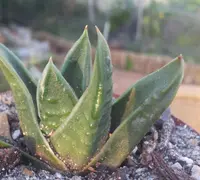
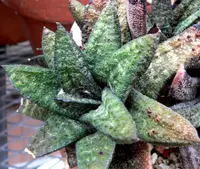
Gasteria batesiana is a compact succulent from South Africa, valued for its tough, tongue-shaped leaves and slow, clumping growth habit. The leaves are thick, often rough-textured, and mottled in shades of green with lighter spots, giving the rosette a distinct, sculptural look.

In nature it grows in rocky, well-drained sites, often shaded by shrubs or rocks. This background explains its preference for bright, indirect light, infrequent watering, and gritty, fast-draining soil.

These traits make it a durable choice for containers and smaller indoor spaces, and many growers find it straightforward to care for Gasteria batesiana as long as overwatering is avoided.

Main Plant Requirements

Care Difficulty

Easy Care

Light Preference

Bright Indirect Light

Water Requirements

Low Water

Temperature Preference

Tropical / Frost Sensitive

Hardiness Zone

10–11

Soil Texture

Sandy, Loamy, Rocky

Soil pH

Acidic (5.5–6.5), Slightly acidic (6.5–7.0)

Soil Drainage

Well-drained

Fertilization

Minimal (feed rarely)

Get Personalized Care Plan

Scan your plant to receive care tips personalized for your specific plant

Available on iOS and Android

How to Care for the Knoppies Oxtongue

This species prefers bright, indirect light with some protection from intense midday sun.

  • Provide 4–6 hours of morning sun or bright filtered light daily, especially in east- or lightly shaded south-facing spots, to support compact growth in Gasteria batesiana.
  • Allow partial shade for the rest of the day; dappled light under taller plants or shade cloth works well, especially in hotter regions.
  • Watch leaves for stress: strong bleaching, crispy patches, or reddish scarring indicate too much sun, while elongated, floppy leaves signal insufficient light.

This succulent stores water in its leaves and needs infrequent, thorough watering in fast-draining soil.

  • Water only when the top 3–5 cm of soil are completely dry; in active growth, this may mean every 10–21 days depending on heat, pot size, and soil mix.
  • Reduce watering in cool seasons, sometimes to once every 3–5 weeks, keeping the root zone just barely moist but never consistently wet.
  • Use a gritty, free-draining mix and watch for soft, yellowing, or translucent leaves (overwatering) versus thin, wrinkled leaves that stay limp after watering (underwatering) in Gasteria batesiana.

This plant prefers mild, stable temperatures and does not tolerate hard frost.

  • Aim for 65–80°F (18–27°C) for best growth, with good air movement and protection from sudden temperature swings.
  • Protect from cold: short dips to 40–45°F (4–7°C) are usually survivable if dry, but prolonged exposure below 40°F (4°C) or any hard frost can damage leaves and roots.
  • In hot weather above 90°F (32°C), give extra shade and avoid reflected heat from walls or pavement, as prolonged overheating can cause leaf scorch and slowed growth.

This succulent tolerates dry indoor air and usually does not need special humidity management.

  • Keep humidity around 30–50% as a comfortable range, similar to most heated or air-conditioned homes.
  • Leaf tips shriveling or soft, pale tissue can indicate combined stress from low humidity and underwatering.
  • If air is extremely dry, place the pot on a pebble tray with water below the pot base to slightly raise humidity.

This species needs a very fast-draining, gritty mix that prevents water from sitting around the roots.

  • Use a cactus/succulent mix amended with extra mineral materials such as pumice, coarse sand, or fine gravel for structure.
  • Aim for a loose, sandy to gritty texture that allows air pockets around the roots and lets water run through in seconds.
  • Keep pH slightly acidic to neutral, roughly 6.0–7.0, which typical commercial succulent mixes provide without adjustment.
  • Avoid dense, peat-heavy or clay soils; improve any heavy mix by adding at least 40–50% mineral grit before planting Gasteria batesiana.

This species is very suitable for container growing due to its compact, shallow root system.

  • Choose a shallow, wide pot to match the spreading rosette habit and prevent unused, wet soil at the bottom.
  • Select unglazed terracotta if extra evaporation is needed, or glazed ceramic if the mix dries too quickly in your climate.
  • Ensure drainage holes are large and unobstructed so water exits rapidly and does not pool beneath the root zone of Gasteria batesiana.

This succulent needs only light feeding, as Gasteria batesiana is adapted to nutrient-poor soils.

  • Use a balanced liquid fertilizer (around 10-10-10) diluted to 25–50% strength for container plants.
  • Feed once every 4–6 weeks during spring and summer, when growth is most active.
  • Skip compost-heavy mixes that stay wet; choose low-organic, free-draining potting soil instead.
  • Stop feeding in fall and winter to avoid soft, weak growth during semi-dormant periods.

Pruning needs are minimal and focus on keeping the rosette clean and healthy for Gasteria batesiana.

  • Best timing is late spring or early summer, when the plant is actively growing.
  • Remove dead, dried, or badly damaged leaves at the base with clean, sharp scissors or pruners.
  • Trim spent flower stalks back to the rosette once blooms fade to conserve energy.
  • Take off crowded or badly marked leaves only if necessary to improve airflow and appearance.

Repotting is infrequent because this species prefers to be slightly root-bound in small, shallow containers.

  • Repot every 3–4 years or when roots circle the pot, growth slows, or the plant becomes top-heavy.
  • Plan repotting for late spring, using a cactus/succulent mix in a pot just 1–2 in wider.
  • Gently loosen circling roots and remove old, compacted soil without tearing healthy roots.
  • After repotting, keep the plant dry for 3–5 days, then water lightly to reduce root stress and rot risk.

Propagation of this species is straightforward and often done to expand a small collection.

  • Division of offsets at the base is the most reliable method for Gasteria batesiana.
  • Separate offsets in late spring or early summer, when temperatures are warm and growth active.
  • Allow detached offsets or leaf cuttings to callus for 2–3 days before planting in dry, gritty mix.
  • Keep in bright, indirect light and barely moist soil; roots usually form in 3–6 weeks under stable warmth.

Winter care focuses on preventing cold damage and moisture-related rot in this succulent.

  • This plant is not frost hardy; aim to keep temperatures above 40°F for container specimens.
  • Move potted plants indoors to a bright, cool room before the first frost in temperate climates.
  • Water very sparingly in winter, allowing soil to dry completely to avoid root and crown rot.
  • In mild outdoor climates, use a very sharp-draining soil and overhead cover to limit winter rain on the plant.

Care Tips

Offset management

Remove offsets with a clean, sharp knife only when they have their own small root system, then let the cut surfaces dry for 3–5 days before potting to reduce rot risk.

Root health checks

Gently unpot every 1–2 years at the start of the warm season to inspect roots, trimming any hollow, mushy, or black sections and repotting into fresh, dry mix afterward.

Controlled clump shaping

To keep a compact rosette form, selectively thin crowded inner offsets rather than outer ones, which preserves a natural-looking, tiered clump.

Mineral top dressing

Add a 0.5–1 in layer of coarse grit, pumice, or small gravel on the soil surface to protect the neck of the plant from staying wet and to stabilize shallow roots.

Winter rest adjustment

In cooler months, provide slightly cooler, bright conditions and only minimal water, as a short, dry winter rest improves leaf texture and longevity when growing Gasteria batesiana.

Common Pests and Diseases

Aloe mite

This pest causes rough, warty, tumor-like growths on leaves and at the base of the rosette, often distorting new foliage permanently. Symptoms include thickened, blistered areas that may turn brown or corky over time.

Solution

Remove and destroy all affected leaves or entire rosettes as soon as distorted growth is noticed, cutting several cm into apparently healthy tissue. Disinfect tools after each cut, isolate the plant from others, and avoid overhead watering and crowding, which can help reduce the spread of eriophyid mites on related succulents while following general Gasteria batesiana care instructions.

Mealybugs

This pest appears as white, cottony clusters in leaf bases, along roots, and under the rosette where it feeds on sap and weakens the plant. Symptoms include sticky honeydew, slowed growth, and occasional sooty mold development on affected surfaces.

Solution

Physically remove visible insects with a cotton swab dipped in 70% isopropyl alcohol, then rinse the plant and pot thoroughly and allow it to dry. For heavier infestations, unpot the plant, wash roots to remove soil mealybugs, repot into fresh, free-draining mix, and use a labeled systemic insecticide or repeated applications of insecticidal soap, avoiding treatments during intense sunlight or heat.

Aphids

These insects cluster on soft new growth and flower stalks, sucking sap and causing leaf curling, distortion, and sticky honeydew deposits. This pest can attract ants and encourage sooty mold growth on affected tissue.

Solution

Rinse plants under a gentle but firm stream of water to dislodge aphids, repeating as needed over several days. If populations persist, use insecticidal soap or a horticultural oil spray directed at the infested areas, applied in the early morning or evening, and reduce excess nitrogen fertilization that encourages overly soft growth.

Leaf spot

This disease produces small, water-soaked or brown lesions on leaves that may enlarge and develop pale centers with darker margins. Symptoms include scattered spots that can merge into larger patches, especially under prolonged surface moisture and poor air circulation.

Solution

Remove and discard affected leaves, keeping any cuts clean and dry, and allow the plant to dry fully between waterings while avoiding water sitting on leaves. Improve airflow, water at the soil level in the morning, and if spotting progresses, apply a labeled copper-based or broad-spectrum fungicide according to directions, especially during humid periods.

Bacterial soft rot

This disease causes rapidly spreading soft, mushy areas at the leaf base or crown, usually with a foul odor and collapse of the rosette. Symptoms include translucent, water-soaked tissue that turns brown and disintegrates under minimal pressure.

Solution

At the first sign, cut out all affected tissue well into firm, healthy material, and dust cut surfaces with sulfur or a dry fungicide powder before allowing them to callus in a dry, airy place. Discard plants with extensive crown collapse, sterilize tools and discard contaminated soil, then adjust watering by using a very free-draining mix, watering sparingly, and avoiding water trapped in the rosette, especially in cool conditions.

Interesting Facts

Speckled leaf camouflage

The short, triangular leaves are covered in pale, irregular spots that help break up the plant’s outline on rocky, quartz-rich slopes in its native South African habitat, making it less visible to herbivores.

Hidden tuberous base

Mature plants often develop a thick, tuber-like underground base that stores water and allows the rosette to resprout after damage or drought in its dry, summer-rainfall habitat.

Winter‑spring flowering season

In its native range, it typically sends up arching flower spikes from late winter to spring, timing its blooming with cooler temperatures and increasing moisture rather than peak summer heat.

Botan icon

Did you know?

This species is naturally restricted to a relatively small area of northeastern South Africa, where isolated populations on specific rocky outcrops show notable variation in leaf shape and spotting, making it of particular interest to botanists studying micro‑endemism and local adaptation in succulents.

FAQs about Knoppies Oxtongue

This species is slow-growing. Under good conditions it usually adds only a few leaves each year and may take several years to form a noticeable clump. Limited water, poor light, or cramped roots slow it even more.

Grow Healthy Plants with Botan Care

Keep your plants happy and healthy with plant identification, disease detection, and easy care guidance.

Botan plant care app — identify plants on mobile

Explore More Plants