Topdressing With Grit
Apply a 0.5–1 cm layer of clean mineral grit (pumice, coarse sand, or small gravel) on the soil surface to keep the leaf bases dry, reduce fungus gnat activity, and stabilize the plant in its pot.

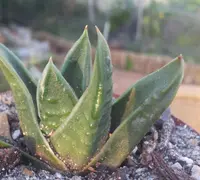
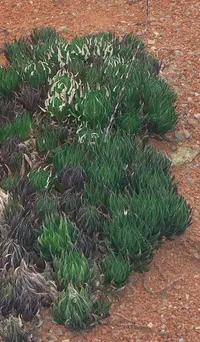
Haworthiopsis scabra, often sold as crude haworthia, is a small, slow-growing succulent from arid regions of South Africa. It forms tight clusters of triangular leaves covered with rough, textured bumps. The plant stays compact and architectural, making it well suited to windowsills, desks, and small containers. Its growth is generally upright to slightly spreading, with offsets gradually creating a clump over time. This species is adapted to strong light, well-drained sandy soils, and infrequent rainfall, which makes it forgiving of occasional neglect. Understanding how to care for Crude Haworthia mainly involves avoiding overwatering and providing enough light without harsh, prolonged midday sun.

Care Difficulty
Easy Care

Light Preference
Bright Indirect Light

Water Requirements
Low Water

Temperature Preference
Tropical / Frost Sensitive

Hardiness Zone
10–11

Soil Texture
Sandy, Loamy, Rocky

Soil pH
Slightly acidic (6.5–7.0), Neutral (7.0)

Soil Drainage
Well-drained

Fertilization
Minimal (feed rarely)
Scan your plant to receive care tips personalized for your specific plant
Available on iOS and Android
Haworthiopsis scabra prefers bright, indirect light that mimics its native rocky habitats.
Haworthiopsis scabra needs infrequent, thorough watering that allows the soil to dry between soakings.
This species prefers warm, stable conditions and is sensitive to frost and extreme heat swings.
This species handles typical indoor humidity well and rarely needs special adjustments.
Soil for Haworthiopsis scabra must be very fast-draining and airy to prevent root rot.
This compact succulent is very suitable for container growing.
Haworthiopsis scabra has low nutrient demand, but light feeding supports compact, healthy growth in containers.
Haworthiopsis scabra needs only light pruning to keep rosettes clean and to manage clump size.
This slow-growing succulent prefers snug pots and infrequent repotting in a sharply draining mix.
This species is commonly propagated from offsets, and less often from leaf cuttings or seed, under warm, bright conditions.
Haworthiopsis scabra is not frost hardy and needs sheltered, dry winter conditions in most climates.

Plant Health Check
Not sure what's wrong with your plant? Check your plant's health inside the app.
The leaves are covered in dense, rough tubercles that create a sandpaper-like texture, which helps reduce herbivory and limits water loss by slightly disrupting airflow over the leaf surface.
In its native South African range, this species often grows tucked into rocky crevices and steep, well-drained slopes, where shading from rocks and minimal soil help protect it from intense sun and erratic rainfall.
Natural populations show notable variation in leaf length, roughness, and growth habit, leading to several recognized forms and local variants that are prized by collectors seeking specific textures and patterns.

The species can retract its rosette deeper into the soil during drought, leaving only the rough leaf tips exposed, which reduces surface area above ground and helps the plant survive extended dry periods in its native habitat.
Brown leaves usually result from excess sun, prolonged underwatering, or salt buildup from fertilizer. Check for scorched tips, very dry soil, or crusty deposits on the mix. Adjust exposure, watering frequency, and occasionally flush the potting medium.
Keep your plants happy and healthy with plant identification, disease detection, and easy care guidance.