Tuna Colorada Care (Opuntia stenopetala)

Tuna Colorada

About Tuna Colorada

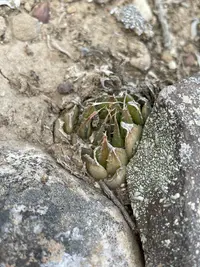
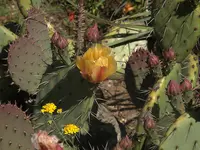
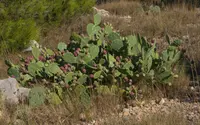
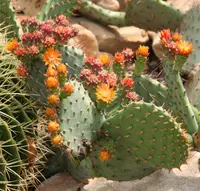
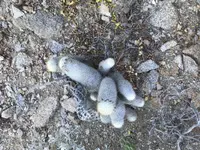
Tuna Colorada, Opuntia stenopetala, is a shrubby cactus with flat, jointed pads and colorful fruits, often reddish when ripe. It belongs to the prickly pear group and forms low, branching clumps over time.

This species is native to dry regions of Mexico, where it grows in open, sunny habitats with well-drained, often rocky soils. Its spines and tiny glochids offer strong protection but make handling tricky.

Opuntia stenopetala is generally tough and drought-tolerant, which makes it relatively easy to grow if drainage and light are correct. Understanding how to care for Tuna Colorada mainly involves providing bright light, minimal excess moisture, and gritty soil.

Main Plant Requirements

Care Difficulty

Easy Care

Light Preference

Full Sun

Water Requirements

Low Water

Temperature Preference

Warm Climate

Hardiness Zone

9–11

Soil Texture

Sandy, Loamy, Rocky

Soil pH

Slightly acidic (6.5–7.0), Slightly alkaline (7.0–7.5)

Soil Drainage

Well-drained

Fertilization

Minimal (feed rarely)

Get Personalized Care Plan

Scan your plant to receive care tips personalized for your specific plant

Available on iOS and Android

How to Care for the Tuna Colorada

Opuntia stenopetala prefers strong sun but benefits from gradual acclimation outdoors.

  • Provide 6–8 hours of direct sun daily, with morning and midday sun ideal for compact, healthy pads in Tuna Colorada outdoor plantings.
  • Allow light partial shade in very hot regions, especially from 2–5 p.m., to reduce sunscald and yellowing of pads.
  • In spring, increase exposure over 7–10 days; in summer heatwaves, use light shade cloth, and in winter ensure at least bright, unobstructed light.

Opuntia stenopetala needs thorough but infrequent watering in sharply drained, gritty soil.

  • Water only when the top 3–5 cm of soil are completely dry; soak deeply, then let excess drain away fully.
  • Reduce watering in cool seasons, sometimes to once every 4–6 weeks, especially if growth slows and soil stays dry longer.
  • Watch for overwatering signs such as soft, yellowing, or blackened pads, and underwatering signs such as severe pad wrinkling and shriveling.

This cactus thrives in warm, arid climates and tolerates a broad temperature range when kept dry.

  • Aim for 70–90°F (21–32°C) during active growth, which supports steady pad and spine development.
  • Protect from hard frost; pads are usually damaged below about 25°F (-4°C) and whole plants may die below 20°F (-7°C).
  • In heat above 95°F (35°C), ensure excellent airflow and consider light afternoon shade; keep soil dry before cold snaps to improve cold tolerance.

Humidity is rarely a concern for this arid-adapted cactus and caring for Tuna Colorada focuses far more on light and watering than air moisture.

This cactus needs a very fast-draining, mineral-heavy mix to prevent root rot.

  • Use a gritty, sandy substrate, such as 50–70% coarse sand or grit blended with cactus mix for Opuntia stenopetala.
  • Aim for slightly acidic to neutral pH, roughly 6.0–7.2, avoiding strongly acidic or clay-based soils.
  • Increase aeration by adding pumice, perlite, or crushed lava rock instead of peat-heavy organic materials.
  • Avoid compacted, water-retentive substrates, and always check that water drains through within seconds, not minutes.

This species is well suited to growing in containers outdoors in warm, bright conditions.

  • Choose a wide, heavy container that counters the leverage of spreading pads and prevents tipping in wind.
  • Select unglazed clay to allow faster evaporation and reduce the risk of chronically damp roots.
  • Leave a top margin of 5–8 cm so pads do not rest against the rim, which reduces mechanical damage and rot points.

This cactus grows well with minimal feeding, but light, targeted fertilization supports stronger pad and fruit development in cultivated Tuna Colorada plantings.

  • Use a low-dose balanced cactus fertilizer or diluted 10-10-10 (at 25–50% strength) during active growth in spring–summer.
  • Feed every 6–8 weeks only if growth or fruiting is desired; skip if planted in naturally fertile, well-drained soil.
  • Avoid high-nitrogen products, which cause overly soft pads more prone to rot and mechanical damage.
  • Stop feeding in fall and winter to allow Opuntia stenopetala to remain fully dormant and cold-hardy.

Pruning Opuntia stenopetala is mainly corrective, shaping the plant and improving safety around paths or walkways.

  • Best time is late winter to early spring, before strong new growth begins.
  • Remove dead, diseased, storm-damaged, or rubbing pads using long-handled loppers or a sharp pruning saw.
  • Thin crowded pads from the base to open the plant, improving light penetration and airflow, and controlling spread.
  • Disinfect tools between cuts and handle pads with thick gloves or tongs to avoid injury and disease transfer.

Container-grown or landscape Opuntia stenopetala is moved only when necessary, as the root system dislikes frequent disturbance.

  • Look for roots circling the pot, pushing from drainage holes, or noticeably slowed growth as signals to shift to a slightly larger container.
  • Plan repotting or outdoor transplanting for late spring, once soil is warming and frost risk has passed.
  • Typical frequency for containers is every 3–5 years, or sooner if the plant becomes unstable or top-heavy.
  • Minimize root stress by keeping roots as intact as possible, replanting at the same depth in sharply drained soil, then keeping soil just lightly moist for several weeks.

New Opuntia stenopetala plants are most commonly produced from pad cuttings, with seeds used mainly for breeding or larger restoration projects.

  • Take healthy, mature pads in late spring–summer, cutting cleanly at the joint with a sterile knife or pruners.
  • Allow cut pads to dry and callus for 5–14 days in a shaded, airy place before planting.
  • Set the callused pad upright in coarse, barely moist cactus mix, burying the lower edge 2–3 cm deep.
  • Provide bright light, warm temperatures (70–80°F), and very light watering until firm resistance indicates rooting.

Opuntia stenopetala has moderate cold tolerance but benefits from simple winter measures in colder or wetter climates.

  • In-ground plants usually handle light frosts but may suffer damage below about 15–20°F, especially in prolonged freezes.
  • Apply a 5–8 cm layer of coarse gravel or mineral mulch around the base to keep the crown drier in winter.
  • In rainy regions, use a breathable overhead cover to limit winter wet on pads while allowing air movement.
  • Move container plants to an unheated, very bright indoor or sheltered spot, keeping soil almost completely dry until spring.

Care Tips

Root-zone gravel

Lay a 2–3 cm band of coarse gravel or pumice around the base of the plant to keep pads off wet soil, reduce collar rot risk, and discourage slugs from damaging lower segments.

Pad orientation check

When planting new pads, mark the original south-facing side and keep that side facing the strongest light to maintain symmetrical growth and reduce sunscald on previously shaded tissue.

Cold rain protection

In regions with cool, wet winters, set up a simple clear overhead cover that blocks rain but allows airflow so pads stay dry while roots remain in open ground.

Sanitary pad handling

Always cut pads with a disinfected, very sharp knife and let the cut surface callus for 7–14 days in bright shade before planting to greatly reduce infection and rot when you grow Opuntia stenopetala.

Scale and mealybug patrol

Inspect between pad joints and along the areoles every few weeks, and at the first sign of cottony clusters or bumps, spot-treat with cotton swabs dipped in isopropyl alcohol before an infestation spreads.

Common Pests and Diseases

Cochineal scale

This pest forms dense white, cottony clusters on pads and feeds on sap, weakening growth and causing yellow spots or pad distortion. Symptoms include sticky residue and deep red staining when insects are crushed.

Solution

Isolate the plant, then scrub affected pads with a soft brush or cloth dipped in water with a small amount of mild dish soap or 70% isopropyl alcohol, rinsing well afterward. For outdoor plants with heavy infestations, use a strong water spray followed by repeated spot treatments with insecticidal soap or horticultural oil, making sure pads dry quickly in good airflow.

Cactus mealybugs

These insects hide in pad joints and spines, appearing as small white cottony tufts while sucking sap and slowing growth. Symptoms include honeydew, sooty mold, and stunted or misshapen new pads.

Solution

Physically remove mealybugs with a cotton swab dipped in 70% isopropyl alcohol and wipe crevices thoroughly, repeating weekly until no new insects appear. Improve light and airflow, avoid overfertilizing, and for larger outdoor clumps use targeted sprays of insecticidal soap or neem oil in the evening to reduce sun scorch on pads.

Pad corking and sunscald

This disorder leads to brown, corky, rough patches or bleached, sunken areas on exposed pads, often where tissue has been stressed by abrupt high light or temperature spikes. Symptoms include hardened, non-spreading scars that can make the plant look aged or damaged but usually remain localized.

Solution

Provide gradual light adjustment when moving plants from shade to full sun, and use shade cloth or bright indirect light for container plants in very hot climates. Remove only severely damaged pads that are blocking healthy growth, and focus on stable, high light with low humidity to support new, healthy pads when planning how to take care of Tuna Colorada.

Fungal stem spots

This disease causes small dark spots or slightly sunken lesions on pads, which may enlarge and coalesce under prolonged humidity or frequent wetting. Symptoms include discolored, softened areas that can eventually dry into brittle, scarred tissue.

Solution

Prune and discard affected pads with a clean, sharp knife, cutting back into firm, healthy tissue and allowing the wound to dry and callus in a dry, bright location. Reduce overhead watering, space plants for better airflow, and if disease pressure is high outdoors, apply a sulfur or copper-based fungicide labeled for cacti, following label directions carefully.

Nematode damage

These microscopic roundworms attack roots, leading to reduced water uptake, slow growth, and pads that shrivel even when soil seems moist. Symptoms include poor vigor, weak new pads, and in dug plants, swollen or knotted roots.

Solution

Discard severely affected container plants and sterilize pots and tools, then repot into fresh, well-draining cactus mix sourced from reliable suppliers. In garden settings, rotate planting locations, incorporate coarse sand or grit to improve drainage, and consider raised beds or large containers for new plants to reduce future nematode pressure.

Interesting Facts

Narrow-petaled flowers

This species has distinctive narrow, elongated petals that give its yellow flowers a star-like appearance, which is the origin of the epithet stenopetala, meaning narrow-petaled.

Spiny and glochid-bearing

Pads carry both long, rigid spines and tiny barbed hairs called glochids, which are easily detached and can irritate skin and mucous membranes.

Edible yet marginal fruit

The reddish fruits are technically edible like other prickly pears, but they tend to be small and with relatively low pulp yield, so they are rarely of commercial interest when compared with major cultivated tuna varieties.

FAQs about Tuna Colorada

Lack of blooms usually comes from insufficient light, too much nitrogen fertilizer, or the plant being too young. Cold or very wet conditions can also delay bud formation. Stable, bright conditions encourage flowering once the plant is mature.

Grow Healthy Plants with Botan Care

Keep your plants happy and healthy with plant identification, disease detection, and easy care guidance.

Botan plant care app — identify plants on mobile

Explore More Plants