Controlled plant size
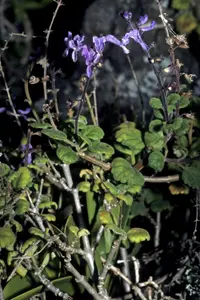
Pinch or cut back overly long stems right above a leaf pair to keep the plant compact and encourage dense new growth, especially if it starts stretching toward the light.

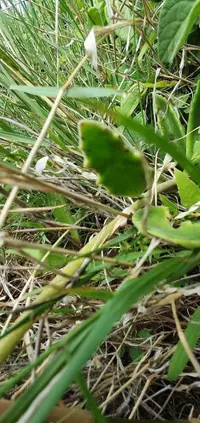
Kalanchoe citrina is a compact, succulent perennial known for its fleshy leaves and clusters of small, bright yellow flowers. It grows in a bushy, low mound and stores water in its leaves. Native to arid regions, it is adapted to strong light, low humidity, and brief dry periods between waterings. These traits make it relatively forgiving for beginners, as long as the soil drains well and stays airy. Understanding how to care for Kalanchoe citrina mainly involves providing plenty of light, avoiding excess water, and protecting it from cold drafts or frost.

Care Difficulty
Easy Care

Light Preference
Bright Indirect Light

Water Requirements
Low Water

Temperature Preference
Tropical / Frost Sensitive

Hardiness Zone
10–11

Soil Texture
Sandy, Loamy, Organic-rich

Soil pH
Acidic (5.5–6.5), Slightly acidic (6.5–7.0)

Soil Drainage
Well-drained

Fertilization
Light (every 4–6 weeks)
Scan your plant to receive care tips personalized for your specific plant
Available on iOS and Android
This compact succulent thrives with bright, direct light but needs protection from harsh summer sun in hot climates.
This drought-tolerant succulent prefers infrequent, thorough watering and dry intervals between soakings.
This plant prefers warm, stable conditions and does not tolerate frost.
This species tolerates typical indoor humidity and rarely needs special adjustments.
Kalanchoe citrina prefers a fast-draining, airy substrate that mimics sandy, rocky habitats.
This compact succulent is well suited to container growing.
This succulent needs modest feeding to support compact growth and flowering without causing weak, lush tissue.
Thoughtful pruning keeps Kalanchoe citrina compact, tidy, and flowering well.
Container-grown plants benefit from occasional repotting to refresh soil and manage root health.
This species is commonly multiplied from cuttings, allowing quick production of uniform plants.
This succulent is frost-sensitive and needs protection in regions with cold winters.

Plant Health Check
Not sure what's wrong with your plant? Check your plant's health inside the app.
This species is native to coastal rocky slopes of southwest Madagascar, where it grows in shallow, fast-draining substrates exposed to strong light and drying winds.
Unlike most Kalanchoe species with uniformly green leaves, this plant has naturally yellow to yellow-green foliage, which is reflected in its epithet citrina, meaning lemon- or citron-colored.
It typically forms a low, many-branched shrub with short internodes, creating a dense cushion-like structure that helps protect stems and roots from intense sun and desiccation in its native habitat.
Lack of flowers usually comes from insufficient light, too much nitrogen fertilizer, or no cool, short-day period. Provide strong light, avoid heavy feeding, and allow a rest phase with cooler nights and longer darkness to set buds.
Keep your plants happy and healthy with plant identification, disease detection, and easy care guidance.