Rotate For Symmetry
Turn the pot 90° every 1–2 weeks so all sides receive similar light, which keeps the rosette compact and prevents one-sided stretching of the patterned leaves.

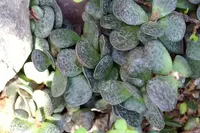
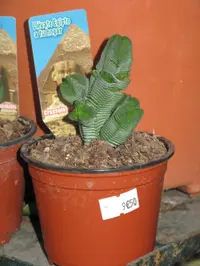
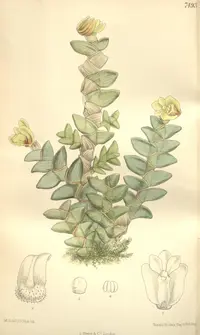
Adromischus maculatus, commonly called spotted adromischus or calico hearts, is a compact succulent from the rocky slopes of South Africa. It forms low clusters of thick, paddle-shaped leaves with purple or brown spots and short stems.
The plant grows slowly and stays small, which makes it suitable for windowsills and mixed succulent containers. Its firm, water-storing leaves and shallow roots reflect strong drought tolerance.
This species is generally considered easy to manage if excess moisture is avoided. Understanding how to care for spotted adromischus starts with bright light, very well-drained gritty soil, and infrequent watering.

Care Difficulty
Moderate Care

Light Preference
Partial Sun

Water Requirements
Low Water

Temperature Preference
Tropical / Frost Sensitive

Hardiness Zone
10–11

Soil Texture
Sandy, Loamy, Rocky

Soil pH
Slightly acidic (6.5–7.0), Neutral (7.0)

Soil Drainage
Well-drained

Fertilization
Minimal (feed rarely)
Scan your plant to receive care tips personalized for your specific plant
Available on iOS and Android
Adromischus maculatus thrives in bright, indirect light with some direct sun.
Watering for Adromischus maculatus should respect its drought-tolerant succulent nature.
This species prefers warm, stable temperatures without sudden extremes.
This succulent prefers dry indoor air and rarely needs special humidity management.
Provide a sharply draining, gritty mix that keeps roots aerated and dries quickly after watering.
This species is very suitable for container growing due to its compact, shallow root system.
This compact succulent needs modest feeding, with more risk from overfertilizing than underfeeding when caring for spotted adromischus.
Pruning needs for Adromischus maculatus are minimal and mainly cosmetic.
This succulent prefers slightly tight pots and only occasional repotting.
Adromischus maculatus is commonly propagated from leaf and stem cuttings under warm, bright conditions.
This tender succulent needs indoor or greenhouse conditions in cold-winter climates.

Plant Health Check
Not sure what's wrong with your plant? Check your plant's health inside the app.
The irregular purple or brown spots on the leaves act as camouflage among speckled stones and shaded rock crevices in its native South African habitat, helping the plant blend into the background and avoid herbivores.
In the wild this species often grows in shallow soil pockets on rocky slopes and sandstone outcrops in the Eastern and Western Cape, where excellent drainage and intense light favor compact, slow growth.
This species does most of its active growing in the cooler, brighter months of its native winter-rainfall climate, then slows down and partially rests in the hotter, drier summer period.

Some wild forms of this species develop distinctly flattened, paddle-like leaves with highly variable spotting patterns, and these local variants are prized by collectors, who selectively propagate them to preserve their unique appearances.
Flowering is often reduced by low light, frequent repotting, or excess nitrogen fertilizer. Cooler, drier winter conditions and a short rest period encourage buds. Stable conditions over several years are usually needed before reliable flowering begins.
Keep your plants happy and healthy with plant identification, disease detection, and easy care guidance.