Senecio comosus Care

Senecio comosus

About Senecio comosus

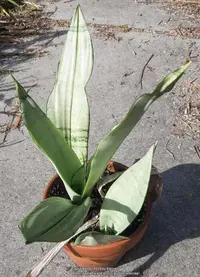
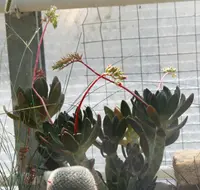
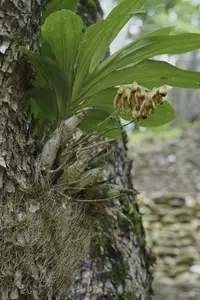
Senecio comosus is a small, succulent shrub from arid regions of South Africa. It forms low, branching clumps with fleshy, cylindrical leaves and small, daisy-like flower heads. The stems and leaves store water, which gives it good drought tolerance and makes it suitable for dry indoor spaces with bright light. Growth is generally compact and slow, so it fits well on windowsills or small shelves. Because it dislikes waterlogged soil but copes well with short dry periods, many growers find it straightforward to care for Senecio comosus.

Main Plant Requirements

Care Difficulty

Easy Care

Light Preference

Full Sun

Water Requirements

Low Water

Temperature Preference

Warm Climate

Hardiness Zone

9–11

Soil Texture

Sandy, Loamy, Rocky

Soil pH

Slightly acidic (6.5–7.0), Neutral (7.0)

Soil Drainage

Well-drained

Fertilization

Minimal (feed rarely)

Get Personalized Care Plan

Scan your plant to receive care tips personalized for your specific plant

Available on iOS and Android

How to Care for the Senecio comosus

This succulent prefers bright conditions with some protection from intense midday sun.

  • Provide 4–6 hours of direct morning sun with bright, filtered light the rest of the day for compact, healthy growth in Senecio comosus.
  • Allow light afternoon shade in hot climates; strong sun after 1–2 p.m. can scorch leaves, especially in summer or during heatwaves.
  • In winter, move plants to the brightest available spot and avoid deep shade, which causes stretching, weak stems, and dull foliage.

This drought-tolerant plant needs infrequent, deep watering in fast-draining soil.

  • Water only when the top 3–5 cm of soil are completely dry; leaves should feel firm, not soft or wrinkled, before watering again.
  • Use a gritty, sharply draining mix and let excess water drain fully to reduce risk of root rot, mushy stems, and yellowing lower leaves from overwatering.
  • In spring and summer, expect more frequent watering than in fall and winter, when cool, short days mean much slower drying and very sparse watering.

This species prefers warm, dry conditions and is sensitive to frost.

  • Aim for 65–80°F (18–27°C) during active growth, as this range supports steady development and reduces stress.
  • Protect the plant from temperatures below 40°F (4°C); brief light chills may be tolerated, but frost can damage or kill succulent tissues.
  • In hot spells above 90°F (32°C), increase shade and airflow, avoid watering in full sun, and monitor for heat stress such as soft, pale, or sunken leaves.

This succulent tolerates typical indoor humidity and rarely needs special humidity management.

  • Aim for 30–50% humidity, similar to most heated or air-conditioned homes, without extra humidifiers.
  • Dry air rarely harms Senecio comosus, but extreme drafts from heaters or vents can speed moisture loss from leaves and soil.
  • If leaf tips shrivel while soil is kept dry, slightly raise humidity by grouping plants away from strong airflow.

Senecio comosus prefers a mineral, fast-draining substrate that dries quickly between waterings.

  • Use a cactus/succulent mix based on sandy or gritty particles, not peat-heavy potting soil alone.
  • Improve drainage and aeration by blending roughly 50–70% succulent mix with 30–50% coarse perlite, pumice, or horticultural grit.
  • Target slightly acidic to neutral pH around 6.0–7.0, avoiding very alkaline mixes that may limit nutrient uptake.
  • Avoid dense, water-retentive media and any mix that stays wet for more than 2–3 days, which encourages root rot.

This species is very suitable for container growing due to its compact, drought-tolerant root system.

  • Choose a pot with several drainage holes so water exits quickly and does not pool in the base after watering.
  • Select a wider, shallower container to match its relatively shallow roots and reduce the risk of waterlogged lower soil layers.
  • Use unglazed terracotta if extra evaporation is desired, as the porous walls help the mix dry faster between waterings.

Feeding supports steady growth of Senecio comosus but heavy fertilization is not necessary.

  • Use a balanced liquid fertilizer (for example 10-10-10 or 20-20-20) diluted to 25–50% strength for container-grown plants.
  • Apply every 4–6 weeks during the active growing season, on already-moist soil to reduce root burn risk.
  • Skip or halve feedings in fall and winter when growth slows, especially in cool or low-light conditions.
  • For in-ground plants on reasonably fertile soil, a light top-dressing of compost in spring is usually sufficient.

Pruning helps maintain a compact, healthy form and removes weak growth.

  • Best time to prune Senecio comosus is late winter to early spring, just before active growth resumes.
  • Use clean, sharp scissors or hand pruners to remove dead, damaged, or diseased stems at their base.
  • Shorten leggy or stretched shoots to a healthy node to encourage branching and denser foliage.
  • Thin crowded stems slightly to improve air flow, which reduces fungal issues and keeps the outline tidy.

Container-grown plants benefit from occasional repotting to refresh soil and ease root congestion.

  • Check for roots circling the pot, emerging from drainage holes, or unexplained slow growth as signs repotting is needed.
  • Repot Senecio comosus in spring every 2–3 years, moving to a pot only 2–5 cm wider with good drainage holes.
  • Gently loosen circling roots and remove some old soil, keeping as much of the root ball intact as possible.
  • Water lightly after repotting, keep in bright but indirect light for 1–2 weeks, and avoid heavy feeding until new growth appears.

New plants are most often produced from stem cuttings, which root reliably under the right conditions.

  • Take 7–10 cm non-flowering stem cuttings from healthy Senecio comosus in spring or early summer.
  • Allow cut ends to dry and callus for 1–2 days to reduce rot, then insert into a very well-drained, gritty mix.
  • Provide bright, indirect light, warm temperatures around 70–75°F, and very light, infrequent watering while rooting.
  • Seed propagation is possible but slower; sow in a sandy mix, barely cover, and keep slightly moist until germination.

This plant dislikes prolonged freezing and benefits from simple winter precautions in colder climates.

  • In regions with frost, grow in containers so plants can be moved indoors before temperatures drop below 40°F.
  • Provide a cool, bright indoor spot in winter and reduce watering, allowing the soil to dry more between waterings.
  • In mild climates where light frost occurs, a dry, gritty soil and excellent drainage help protect the root system.

Care Tips

Use trailing support

Guide young stems over the edge of the pot or onto a low wire hoop so the plant forms even, cascading growth rather than a dense, knotted clump that shades its own leaves.

Rotate for symmetry

Turn the pot 90° every 2–3 weeks so stems receive light from all sides, which keeps growth balanced and reduces weak, stretched sections that are prone to breakage.

Refresh top layer

Once a year, remove the top 1–2 cm of spent potting mix and replace it with fresh, gritty mix to improve aeration around surface roots and reduce salt buildup from fertilizer.

Strategic stem pruning

If stems become bare at the base, trim back by 1–3 nodes and replant the healthy cuttings near the crown to thicken the plant and create a fuller, more uniform mat of foliage.

Quarantine new plants

Keep new succulents in a separate area for 2–3 weeks and inspect under leaves and along stems so caring for Senecio comosus is not complicated by hidden mealybugs or spider mites introduced from recent purchases.

Common Pests and Diseases

Mealybugs

This pest often hides in leaf axils and along stems, feeding on sap and causing stunted, distorted growth and sticky honeydew. Symptoms include cottony white clusters and a general decline in vigor.

Solution

Isolate the plant, then remove visible insects with a cotton swab dipped in 70% isopropyl alcohol and gently wipe affected areas. Follow up with repeated applications of an insecticidal soap or neem oil spray every 7–10 days and improve light and air movement to discourage reinfestation.

Aphids

These insects cluster on soft new growth and flower stalks, sucking sap and causing curling, yellowing, and sticky honeydew that can attract sooty mold. Infestations can weaken the plant and deform new stems.

Solution

Rinse the plant thoroughly with a strong but controlled stream of lukewarm water to dislodge insects, then apply insecticidal soap to all stem surfaces, especially new growth. Repeat weekly until no aphids are visible and avoid overfertilizing, which promotes the tender growth aphids prefer.

Spider mites

This pest thrives in warm, dry conditions and feeds on the succulent leaves, causing fine stippling, dull or silvery patches, and fine webbing between leaves and stems. Symptoms include slow growth and leaves that look dusty or faded.

Solution

Increase humidity around the plant, then rinse foliage and stems under a gentle shower or tap to remove mites and webbing. After washing, treat with neem oil or a labeled miticide, making sure to cover undersides of leaves and repeating every 7–10 days until the plant remains clear for several weeks.

Soft rot

This disease affects the fleshy stems and leaves, which become water-soaked, mushy, and may emit a foul odor, often starting at the base after overwatering or cool, wet conditions. Symptoms include sudden collapse of segments and rapid spread through adjacent tissue.

Solution

At the first sign, cut away and discard all affected tissue with a sterile blade, keeping only firm, healthy sections. Allow remaining stems or cuttings to dry and callus for several days before replanting in a very fast-draining succulent mix, and adjust watering so the soil dries fully between waterings to reduce recurrence.

Fungal leaf spots

This disease appears as small brown or dark spots on the succulent leaves, sometimes with a yellow halo, often following overhead watering or poor airflow. Symptoms include cosmetic damage and, in severe cases, premature leaf drop.

Solution

Remove and discard affected leaves, then improve spacing and airflow around the plant and switch to bottom watering to keep foliage dry. If spotting continues, apply a copper-based or sulfur-based fungicide labeled for succulents, following label directions, and avoid prolonged leaf wetness as part of long-term Senecio comosus care.

Interesting Facts

Morphological variability

Within its South African range, this species shows notable variation in leaf length, thickness, and degree of succulence, reflecting local adaptation to different microclimates and soil moisture levels.

Drought survival strategy

The plant stores water in its fleshy leaves and stems and can reduce leaf surface exposure during dry periods, a typical succulent adaptation that allows it to persist in seasonally arid habitats.

Natural rocky habitat

In the wild it is often found on rocky slopes and well-drained outcrops, where fast-draining, mineral-rich substrates prevent waterlogging around its shallow root system.

FAQs about Senecio comosus

Flowering often decreases when light is insufficient, temperatures are too cool, or the plant is overfed with high-nitrogen fertilizer. Provide strong light, a modest winter rest, and balanced fertilizer to encourage buds and more reliable flowering.

Grow Healthy Plants with Botan Care

Keep your plants happy and healthy with plant identification, disease detection, and easy care guidance.

Botan plant care app — identify plants on mobile

Explore More Plants