Chlorophytum orchidastrum Care

Chlorophytum orchidastrum

About Chlorophytum orchidastrum

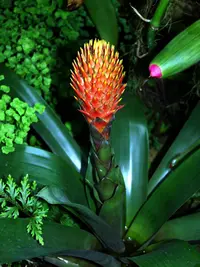
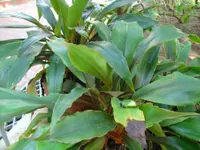
Chlorophytum orchidastrum, often sold as the fire flash or mandarin plant, is a compact, clumping houseplant grown for its striking foliage. It forms broad, green leaves held on bright orange petioles that create a strong color contrast.

This species comes from shaded forest understories in tropical Africa, where it grows in loose, humus-rich soil. Its slow, tidy growth habit and tolerance of typical indoor conditions make it suitable for desks, shelves, and mixed plant displays.

It is considered moderately easy to grow, provided it receives bright, indirect light, evenly moist but not waterlogged soil, and protection from cold drafts. These traits help explain how to care for Chlorophytum orchidastrum successfully in an indoor setting.

Main Plant Requirements

Care Difficulty

Moderate Care

Light Preference

Bright Indirect Light

Water Requirements

Moderate Water

Temperature Preference

Tropical / Frost Sensitive

Hardiness Zone

10–11

Soil Texture

Loamy, Organic-rich

Soil pH

Acidic (5.5–6.5), Slightly acidic (6.5–7.0)

Soil Drainage

Moist but well-drained

Fertilization

Light (every 4–6 weeks)

Get Personalized Care Plan

Scan your plant to receive care tips personalized for your specific plant

Available on iOS and Android

How to Care for the Chlorophytum orchidastrum

This species prefers bright, indirect light that mimics dappled forest shade.

  • Provide 4–6 hours of bright, filtered light daily, such as near an east-facing window or under light tree shade outdoors.
  • Tolerates partial shade, but growth slows and leaf color fades if light stays low; Chlorophytum orchidastrum should still receive some daily indirect brightness.
  • Avoid strong midday or afternoon sun, which can scorch leaves; in summer, move slightly farther from harsh windows or add sheer curtains.

Watering should keep the soil lightly moist but never saturated for long periods.

  • Allow the top 2–3 cm of soil to dry before watering again, using a finger test rather than a fixed schedule.
  • In spring and summer, expect faster drying and more frequent watering; in fall and winter, extend the drying period slightly as growth slows.
  • Watch for soft, yellowing leaves and a sour smell as signs of overwatering, and for limp, curling, or crisp leaf tips as signs of underwatering; always use free-draining soil.

Stable, warm conditions support strongest growth and leaf color.

  • Aim for 65–80°F (18–27°C) for active growth; brief dips just outside this range are usually tolerated if soil is not waterlogged.
  • Protect from cold; growth slows below about 60°F (16°C), and damage occurs near or below 40°F (4°C), especially with wind or wet soil.
  • Keep away from hot, drying air; temperatures above 86°F (30°C) combined with low humidity may cause leaf tips to brown, so shade and extra humidity help in midsummer.

This species manages well in typical home humidity but benefits from slightly elevated levels.

  • Aim for 40–60% humidity to support steady leaf growth and reduce brown tips.
  • It tolerates centrally heated, drier rooms if watering is consistent, but prolonged air below 30% can stress foliage.
  • Low humidity shows as crispy leaf tips and edges; group plants, use a pebble tray, or run a small humidifier nearby.

Soil should be loose, airy, and moisture-retentive yet fast-draining to protect the roots.

  • Use a peat- or coco-based potting mix amended with perlite and fine bark to create a light, fibrous structure.
  • Target a slightly acidic to neutral pH around 6.0–7.0, which supports nutrient availability for Chlorophytum orchidastrum.
  • Increase aeration and drainage by keeping at least 30–40% of the mix as coarse components such as perlite, pumice, or bark chips.
  • Avoid heavy garden soil, compacted mixes, or containers that stay wet for days, as these conditions promote root rot and stagnant growth.

This species is well suited to container growing for both indoor and sheltered outdoor locations.

  • Choose a pot slightly wider than the root mass to allow clumping growth without leaving large, waterlogged pockets of mix.
  • Select a stable, heavier container if grown on stands or shelves, as arching foliage can shift the center of gravity over time.
  • Use a pot material that matches your watering style, such as porous terracotta for heavy waterers or glazed ceramic for faster-drying environments.

This species responds well to light, consistent feeding during active growth.

  • Use a balanced liquid fertilizer (for example 10-10-10 or 20-20-20) at 1/4–1/2 strength for Chlorophytum orchidastrum.
  • Apply every 3–4 weeks in spring and summer when growth is strongest.
  • Choose slow-release granules or dilute compost tea for a gentler, longer-lasting nutrient supply.
  • Stop feeding in winter or when growth stalls, as excess salts can stress roots.

Pruning focuses on cleanliness and maintaining a compact, tidy clump.

  • In late winter or early spring, remove dead, yellowing, or damaged leaves at the base with clean, sharp scissors.
  • Cut spent flower stalks back to the crown to direct energy into foliage and new shoots.
  • Thin crowded rosettes lightly to improve air flow and reduce fungal risk.
  • Disinfect tools before and after use to limit disease spread.

Container-grown plants benefit from occasional repotting to refresh soil and manage root growth.

  • Plan to repot every 2–3 years in spring when new growth starts, as part of standard Chlorophytum orchidastrum care.
  • Check for roots circling the pot, pushing through drainage holes, or slowing top growth as signals to move up 1 pot size.
  • Gently loosen the root ball, trim rotten or dead roots, and set into fresh, well-draining mix at the same depth.
  • Water thoroughly after repotting, then keep slightly drier for 3–5 days to limit root stress and rot risk.

Propagation is most effective by division of mature clumps.

  • Divide healthy plants in spring, when active growth supports recovery.
  • Lift the root ball, then separate natural clumps, ensuring each division has several leaves and a solid root section.
  • Plant divisions into small pots with fresh, well-draining mix, firming soil gently around roots.
  • Maintain bright, indirect light and slightly moist soil until strong new growth confirms establishment.

This plant is frost-sensitive and needs mild, protected conditions in winter.

  • Keep indoor temperatures around 60–75°F, avoiding cold drafts and windows that drop below 50°F at night.
  • Move outdoor containers indoors before the first frost and place in bright, indirect light.
  • Reduce watering in winter, allowing the top 2–3 cm of soil to dry to limit root rot risk.

Care Tips

Rotate for symmetry

Rotate the pot 90° every 2–3 weeks so the rosette stays balanced and the orange petioles color evenly instead of leaning toward one light source.

Refresh compacted mix

Once a year, gently loosen the top 2–3 cm of potting mix with a chopstick and top-dress with fresh mix to improve air around the thick roots without disturbing the whole rootball.

Rootball health check

At least once a year, slide the plant partly out of its pot to inspect roots for circling, rot, or desiccation so you can adjust watering and repotting before stress symptoms appear.

Prevent crown rot

When watering, direct the flow to the potting mix edge and avoid letting water sit in the central crown, which significantly lowers the risk of rot in dense indoor conditions.

Seasonal light adjustment

In late autumn, move the plant closer to a bright window or supplement with a small grow light so foliage color and vigor do not decline as natural day length shortens when growing Chlorophytum orchidastrum.

Common Pests and Diseases

Spider mites

This pest feeds on leaf sap, causing fine speckling, dulling of the orange midribs, and fine webbing on the undersides of leaves, especially in dry indoor air.

Solution

Rinse foliage thoroughly with lukewarm water, focusing on leaf undersides, then repeat every few days until no webbing or speckling returns; in heavier infestations, use a ready‑to‑use insecticidal soap or horticultural oil, ensuring full coverage and improving humidity and air circulation as part of overall Chlorophytum orchidastrum care.

Mealybugs

These insects appear as white, cottony clusters at leaf bases and along the petioles, sucking sap and causing yellowing, distortion, and sticky honeydew deposits.

Solution

Isolate the plant, then dab visible insects with cotton swabs dipped in 70% isopropyl alcohol and repeat weekly; for larger populations, wash the plant under a gentle shower and follow with an application of insecticidal soap, checking leaf bases regularly for reinfestation.

Aphids

These insects cluster on young leaves and flower stems, causing curling, distortion, and sticky honeydew that can lead to sooty mold on the foliage.

Solution

Shower the plant with a firm stream of water to dislodge colonies, then apply insecticidal soap or a dilute horticultural oil spray to all leaf surfaces, repeating every 5–7 days until new growth emerges clean and pest free; remove heavily infested or distorted leaves to reduce pressure quickly.

Leaf tip burn

Symptoms include browning and drying of leaf tips and margins, often linked to fluoride, chlorine, or excess salts in tap water, as well as low humidity or irregular watering.

Solution

Trim brown tips with clean scissors, then switch to filtered, distilled, or rainwater and flush the pot thoroughly every 1–2 months to remove built‑up salts; maintain evenly moist but not waterlogged soil and moderate humidity around 40–60% to prevent recurrence while growing Chlorophytum orchidastrum.

Leaf spot disease

This disease causes small water‑soaked or tan spots with darker edges on leaves, sometimes coalescing into larger blotches when foliage stays wet for long periods.

Solution

Remove affected leaves with sterile scissors and avoid wetting the foliage, watering directly into the soil instead; increase air movement around the plant and, if spotting continues to spread, apply a copper‑based fungicide or other houseplant‑labeled fungicide according to label directions, spacing plants so leaves can dry quickly after any moisture exposure.

Interesting Facts

Orange midrib adaptation

The bright orange midrib on its leaves contains carotenoid pigments, which help protect leaf tissues from excess light and oxidative stress while also making the foliage more visible in low forest understorey light.

Forest edge specialist

In its native West and Central African range, this species is typically found on shaded forest edges and along paths, where filtered light and leaf litter create the loose, humus-rich soils it prefers.

No spider plant stolons

Unlike the common spider plant Chlorophytum comosum, this species does not naturally produce long stolons with hanging plantlets and instead relies mainly on clump division and seed for propagation.

FAQs about Chlorophytum orchidastrum

Brown tips or patches usually result from low humidity, accumulated salts from fertilizer, or inconsistent watering. Use filtered or dechlorinated water, flush the pot occasionally, and keep conditions stable to reduce leaf browning over time.

Grow Healthy Plants with Botan Care

Keep your plants happy and healthy with plant identification, disease detection, and easy care guidance.

Botan plant care app — identify plants on mobile

Explore More Plants