


Slug barrier setup
Lay a 2–3 in wide band of coarse material such as crushed gravel or horticultural grit around the clump in early spring to create a dry, abrasive barrier that discourages slugs from reaching the foliage.

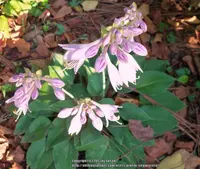
Hosta 'Halcyon' is a hardy, shade-loving perennial grown mainly for its neat, blue-gray foliage. It forms dense clumps of heart-shaped leaves with a slightly waxy surface. Tall, slender flower stalks with pale lavender blooms rise above the foliage in summer, adding vertical interest without overwhelming the plant’s tidy form.
This cultivar originates from garden breeding, while wild Hosta species come from woodland habitats in East Asia. Its strong constitution, good slug resistance, and steady growth make it reliable for borders and containers. It prefers partial to full shade, consistent moisture, and well-drained soil, which makes it relatively straightforward to understand how to care for Hosta.

Care Difficulty
Easy Care

Light Preference
Partial Shade

Water Requirements
Regular Water

Temperature Preference
Cold Hardy

Hardiness Zone
3–8

Soil Texture
Loamy, Silty, Organic-rich

Soil pH
Acidic (5.5–6.5), Slightly acidic (6.5–7.0)

Soil Drainage
Moist but well-drained

Fertilization
Light (every 4–6 weeks)
Scan your plant to receive care tips personalized for your specific plant
Available on iOS and Android
This shade-loving perennial prefers cool, gentle light to keep its blue leaves intact.
This plant prefers steadily moist but not saturated soil, especially during the growing season.
This hardy perennial tolerates cold winters and mild to warm summers when temperature extremes are limited.
This cultivar prefers moderately moist air but usually grows well in typical outdoor humidity.
Hosta 'Halcyon' develops best in loose, moisture-retentive but free-draining soil.
This shade perennial is well suited to long-term container growing outdoors.
Balanced, moderate feeding keeps Hosta 'Halcyon' foliage dense and richly colored during the growing season.
Pruning Hosta 'Halcyon' is mainly about cleanliness and maintaining a neat clump, not reshaping the plant.
Hosta 'Halcyon' is usually grown in the ground, with transplanting or dividing needed only every few years.
Division is the standard method for maintaining and multiplying Hosta 'Halcyon' while keeping the cultivar true to type.
This hardy hosta needs minimal winter care in most temperate climates, as the foliage naturally dies back and the crown withstands frost.

Plant Health Check
Not sure what's wrong with your plant? Check your plant's health inside the app.
Among blue-leaved hostas, this cultivar is known for holding its blue color relatively late into the season, especially in cooler, shadier locations, where the glaucous waxy coating on the leaves degrades more slowly.
It belongs to the Tardiana group, a line of hybrids developed by British breeder Eric Smith from crosses between Hosta tardiflora and Hosta sieboldiana, selected for thick leaves, blue tones, and strong garden performance.
This cultivar has relatively thick, substance-rich leaves, which makes it less attractive and more resistant to slug and snail damage compared with many thinner-leaved hostas.

This cultivar is considered a reliable parent in breeding programs for blue hostas, often used to pass on its durable blue foliage, strong leaf substance, and compact, symmetrical habit to new hybrids.
Yellow leaves usually come from natural aging, compacted or soggy soil, nutrient deficiency, or strong direct sun scorch. Remove the oldest yellowing leaves, improve drainage, and check fertilizer timing before assuming disease or serious root problems.
Keep your plants happy and healthy with plant identification, disease detection, and easy care guidance.

 POPULAR
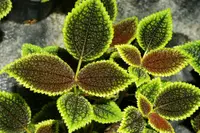
Friendship Plant
Pilea involucrata
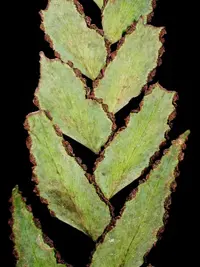
stalked maidenhair
Adiantum petiolatum
Tillandsia juncea
Tillandsia juncea
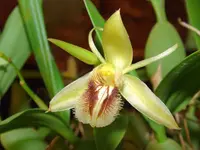
Brown Rock Orchid
Coelogyne fimbriata
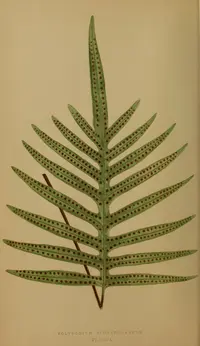
false golden polypody
Phlebodium pseudoaureum
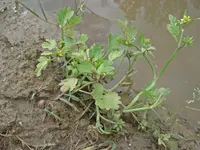
spinyfruit buttercup
Ranunculus muricatus
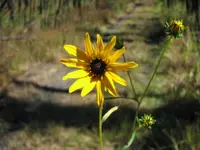
swamp sunflower
Helianthus angustifolius
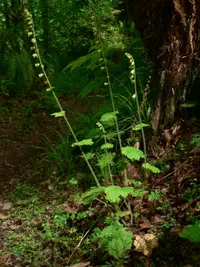
bigflower tellima
Tellima grandiflora