Polygala supina Care

About Polygala supina

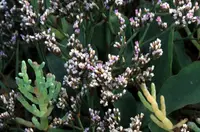
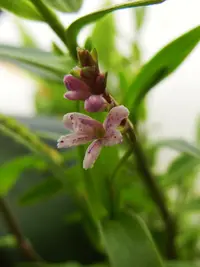
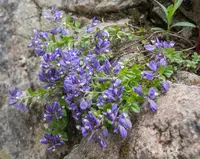
Polygala supina is a small, mat-forming perennial often used as a groundcover or trailing plant. It stays low to the soil and spreads gently over time. The plant produces delicate, pea-like purple or pink flowers that contrast with its fine, green foliage. This gives it a soft, colorful look in rock gardens, containers, or the front of borders.

Polygala supina naturally occurs in parts of central and southern Europe, often in sunny, open habitats with well-drained soils. It is moderately easy to grow if given good drainage, regular moisture, and sun to light shade, which helps guide how to care for Polygala supina.

Main Plant Requirements

Care Difficulty

Moderate Care

Light Preference

Partial Sun

Water Requirements

Moderate Water

Temperature Preference

Warm Climate

Hardiness Zone

8–10

Soil Texture

Sandy, Loamy, Organic-rich

Soil pH

Acidic (5.5–6.5)

Soil Drainage

Well-drained

Fertilization

Light (every 4–6 weeks)

Get Personalized Care Plan

Scan your plant to receive care tips personalized for your specific plant

Available on iOS and Android

How to Care for the Polygala supina

This compact alpine perennial prefers bright conditions with some protection from harsh midday sun.

  • Provide 4–6 hours of direct morning sun with light afternoon shade, or bright filtered light all day, especially in warmer climates.
  • Tolerates light partial shade, but dense shade reduces flowering and can make Polygala supina leggy and sparse over time.
  • In hot summers, shield from strong sun between 12–4 p.m. to prevent leaf scorch; in cooler seasons, allow more direct light to support compact growth.

This species prefers evenly moist, well-drained soil that never stays waterlogged for long periods.

  • Water when the top 2–3 cm of soil feels dry, applying enough to moisten the root zone, then let excess drain away fully.
  • Reduce frequency in cool or rainy periods and increase slightly during hot, dry weather, always checking soil moisture instead of following a fixed schedule.
  • Watch for yellowing, soft stems or a sour smell as signs of overwatering, and for drooping, thin leaves and very dry soil as signs of underwatering.

This plant grows best in mild conditions without strong temperature extremes or prolonged frost.

  • Aim for daytime temperatures around 60–75°F (16–24°C), with slightly cooler nights, to support steady vegetative growth and flowering.
  • It tolerates brief dips to about 25–28°F (-4 to -2°C) once established but young plants are more sensitive and benefit from frost protection.
  • In hot climates, growth slows above 85°F (29°C); provide light shade and consistent moisture during heatwaves, and avoid planting in heat-reflective spots.

This species prefers moderate, slightly elevated humidity but usually adapts to typical indoor levels.

  • Aim for 40–60% humidity to support steady growth and flowering in Polygala supina.
  • Dry air can cause browning leaf edges and reduced blooming; monitor foliage closely in heated rooms.
  • Increase humidity with a nearby water tray, grouped plants, or a small humidifier rather than frequent misting.

This plant performs best in light, well-aerated media that drains quickly yet holds some moisture.

  • Use a loose, sandy-loam mix with 40–50% organic matter, such as composted bark or peat-free potting mix.
  • Improve drainage and aeration by adding perlite or coarse sand at 20–30% of the total volume.
  • Target slightly acidic to neutral pH, around 6.0–7.0, to support nutrient availability and root activity in Polygala supina.
  • Avoid heavy clay, waterlogged spots, or compacted media, which encourage root rot and weak growth.

This species is well-suited to container growing outdoors on patios, balconies, or small gardens.

  • Choose a wide, shallow to medium-depth pot to accommodate its spreading root system and keep the plant stable in wind.
  • Select terracotta or other porous materials if faster drying is needed, or glazed pots in hot, dry climates to retain moisture longer.
  • Elevate the container on pot feet so drainage holes stay clear and excess water exits quickly after rain or irrigation.

This alpine shrub benefits from light, consistent feeding during its main growth and flowering period.

  • Use a balanced liquid fertilizer (for example 10-10-10) at 1/4–1/2 strength every 3–4 weeks in spring and early summer for Polygala supina.
  • Alternatively, apply a low-dose slow-release fertilizer or a thin layer of mature compost at the start of spring.
  • Always water before and after feeding to reduce root burn risk and improve nutrient uptake.
  • Stop fertilizing in late summer and avoid feeding in winter dormancy to prevent soft, frost-sensitive growth.

Thoughtful pruning keeps Polygala supina compact, flowering well, and free of damaged growth.

  • Carry out main pruning just after peak flowering in late spring or early summer to avoid removing next season’s buds.
  • Use clean, sharp hand pruners to remove dead, diseased, or storm-damaged stems back to healthy wood.
  • Thin out a few crowded shoots at the base to improve light and air flow through the plant.
  • Lightly trim leggy tips to maintain a rounded shape, encouraging denser branching and more flower production.

This low shrub is more often transplanted in beds or rock gardens than maintained long term in small containers.

  • Transplant or repot in early spring when growth resumes and temperatures are mild, typically every 2–3 years if container grown.
  • Check for roots circling the pot, water running straight through, or stalled growth as signs that more space is needed.
  • Choose a slightly larger container or garden spot with free-draining, slightly acidic soil to limit waterlogging stress.
  • Handle the root ball gently, loosen only lightly, water thoroughly after planting, and shade for a few days to reduce transplant shock.

New plants are usually raised from semi-ripe cuttings or seeds under controlled conditions.

  • Take semi-ripe stem cuttings in late summer, 6–8 cm long, from non-flowering shoots of Polygala supina.
  • Remove lower leaves, dip the cut end in rooting hormone, and insert into a free-draining mix of sand and peat or fine bark.
  • Keep cuttings at 65–72°F in bright, indirect light with consistently slightly moist but not wet substrate.
  • Sow fresh seeds in autumn or early spring in a similar light, well-drained mix and maintain gentle, even moisture for germination.

This plant has limited frost tolerance and benefits from simple winter protection in colder regions.

  • In mild climates, apply a 3–5 cm mulch layer around the root zone in late autumn, keeping it off the stems.
  • In colder areas or where frost is frequent, grow Polygala supina in containers and move it indoors before hard frosts.
  • Provide an unheated but frost-free, bright location at 40–50°F with slightly reduced watering during winter.
  • Avoid heavy pruning or high-nitrogen feeding late in the season, which can encourage tender growth vulnerable to freezing.

Care Tips

Pinch For Bushiness

Pinch back soft shoot tips by 1–2 cm in early spring and again after the first main flush of flowers to encourage compact, branching growth and heavier blooming.

Seasonal Container Refresh

If grown in pots, gently trim back 20–30% of the top growth and refresh the top 3–5 cm of potting mix in late winter to maintain vigor and root health.

Avoid Root Disturbance

When transplanting, move the plant with an intact root ball and avoid teasing or breaking roots, as this species resents disturbance and can stall or decline if handled roughly.

Targeted Deadheading

Regularly remove spent flower spikes down to the first healthy leaf node during the main blooming season to reduce seed set and redirect energy into continuous flowering.

Light Frost Management

In regions with light frosts, grow Polygala supina in movable containers and shift them under a porch roof or into a cold frame on frost nights to prevent cold damage to new growth.

Common Pests and Diseases

Botrytis blight

This disease causes soft, water-soaked spots on flowers and tender stems that quickly develop a fuzzy gray mold, especially in cool, damp weather. Symptoms include flower collapse and browning of young growth.

Solution

Remove and discard all affected flowers and stems, then improve air circulation and avoid overhead watering so foliage dries quickly. In prolonged wet conditions, a preventive spray with a labeled bio-fungicide or low-toxicity fungicide can help protect new blooms, especially in compact, mat-forming plantings when caring for Polygala supina.

Powdery mildew

This disease appears as white, powdery patches on leaves and young stems and may lead to leaf distortion or yellowing. Symptoms include reduced vigor and a dull, grayish cast over the foliage in crowded or shaded sites.

Solution

Prune to open up the plant, remove heavily affected leaves, and water at soil level to keep foliage dry. If conditions stay humid, apply a labeled sulfur, potassium bicarbonate, or neem-based product at the first sign of powdery growth and maintain good spacing between plants.

Aphids

These insects cluster on young stems and flower stalks, sucking sap and causing distorted, sticky growth due to honeydew. This pest can attract sooty mold and reduce flowering if populations become heavy.

Solution

Spray stems and undersides of leaves with a strong stream of water to dislodge colonies, repeating several times per week as needed. For persistent infestations, use insecticidal soap or a light horticultural oil, applied thoroughly to all soft growth and repeated according to label directions.

Spider mites

These pests are tiny and often hard to see, but symptoms include fine webbing, stippled or bronzed leaves, and general decline in hot, dry conditions. This pest thrives during periods of low humidity and heat stress.

Solution

Increase humidity around the plant, rinse foliage well with water, and prune out heavily damaged sections. If mites persist, apply insecticidal soap or a horticultural oil to both upper and lower leaf surfaces, repeating at 5–7 day intervals until new growth appears clean.

Leaf spot

This disease causes small brown or purplish spots on leaves that may enlarge, merge, and lead to partial defoliation, especially after frequent rain or overhead irrigation. Symptoms include early yellowing and drop of older foliage while newer growth remains relatively unaffected at first.

Solution

Remove and discard spotted, fallen leaves and water at the base rather than wetting the foliage. If leaf spots continue to spread, apply a labeled broad-spectrum fungicide and ensure good spacing, sun exposure, and airflow to keep the plant surface dry between waterings.

Interesting Facts

Alpine cushion growth

This species naturally forms low, cushion-like mats in subalpine and alpine grasslands, where its compact shape helps resist wind and reduces heat loss close to the ground.

Specialist bee visitors

In its native European range, this plant is frequently visited by small solitary bees that are able to trigger the flower’s special petal mechanism to access pollen and nectar.

Season-long flowering

Under cool, bright conditions, this species can produce its purple flowers for a long season, often from late spring into early autumn, as long as adequate moisture is available.

Botan icon

Did you know?

The flowers of this species have a distinctive keel-like petal with a fringed crest, an adaptation that guides pollinators directly toward the reproductive organs and improves the chances of successful pollination in harsh mountain environments.

FAQs about Polygala supina

Lack of blooms usually comes from insufficient light, nutrient-poor or very rich soil, or old, woody stems. Deadhead spent flowers, provide moderate fertilization, and lightly trim after flowering to stimulate new growth and flower bud formation.

Grow Healthy Plants with Botan Care

Keep your plants happy and healthy with plant identification, disease detection, and easy care guidance.

Botan plant care app — identify plants on mobile

Explore More Plants