Edge containment
Install a shallow plastic or metal edging 5–7 cm deep around beds to limit its creeping rhizomes and keep the mat from invading lawns or adjacent plantings.

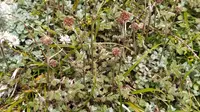
Acaena profundeincisa is a low, mat-forming perennial groundcover known for its finely divided, fern-like foliage. It spreads by creeping stems that root as they go and form a dense carpet. Native to parts of South America, it typically grows in open, sunny to lightly shaded habitats with well-drained soils. The foliage often provides a soft, textured effect, and the flowers are small and not very showy. Overall it is moderate in difficulty, mainly because it dislikes heavy, waterlogged soil and very hot, dry conditions. Gardeners who understand how to care for Acaena profundeincisa usually find it reliable in rock gardens, edging, or between pavers.

Care Difficulty
Moderate Care

Light Preference
Partial Sun

Water Requirements
Moderate Water

Temperature Preference
Cold Hardy

Hardiness Zone
7–9

Soil Texture
Sandy, Loamy, Rocky

Soil pH
Acidic (5.5–6.5), Slightly acidic (6.5–7.0)

Soil Drainage
Well-drained

Fertilization
Minimal (feed rarely)
Scan your plant to receive care tips personalized for your specific plant
Available on iOS and Android
This groundcover prefers bright outdoor conditions with some protection from intense midday sun.
This plant prefers steady moisture in well-drained soil rather than extremes of wet or dry.
This hardy perennial tolerates a wide temperature range but grows best in cool to mild conditions.
This groundcover tolerates a wide humidity range and rarely needs special humidity management outdoors.
This species prefers loose, free-draining soil that never stays waterlogged.
This species can be grown in containers, especially for controlling its spreading habit.
This groundcover from nutrient-poor habitats needs only light feeding in typical garden soil.
Light pruning keeps this mat-forming perennial neat and encourages fresh foliage.
This species is more often transplanted in the ground than grown long-term in containers.
This stolon-forming plant is commonly propagated by division or rooted runners rather than seeds.
This hardy groundcover usually needs minimal winter attention in temperate climates.

Plant Health Check
Not sure what's wrong with your plant? Check your plant's health inside the app.
This species is recognized by its deeply cut, fern-like leaflets, which are more finely divided than in many other Acaena species, giving the plant a delicate, feathery texture at close range.
Acaena profundeincisa forms a very low, mat-like growth, allowing it to knit tightly between stones or in thin soils and making it effective at covering bare ground in its native habitats.
This species is native to cool-temperate regions of the Southern Hemisphere, where it typically occupies open, sunny sites with free-draining, often rocky or gravelly soils.
This species spreads by creeping stems and can form a dense mat over time. In small gardens, edge barriers and occasional thinning help control its spread. It is vigorous but usually manageable with routine monitoring and light pruning.
Keep your plants happy and healthy with plant identification, disease detection, and easy care guidance.