Pilea imparifolia Care

Pilea imparifolia

About Pilea imparifolia

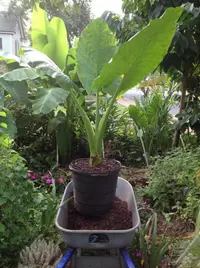
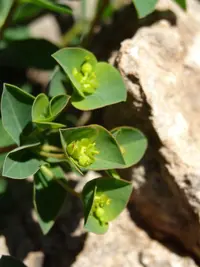
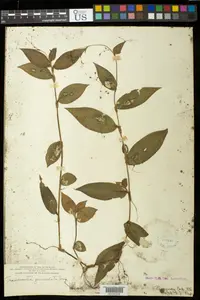
Pilea imparifolia is a small, creeping perennial from tropical Central and South America, often found in humid forests on rocks or as groundcover. It belongs to the nettle family but lacks stinging hairs.

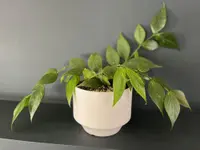
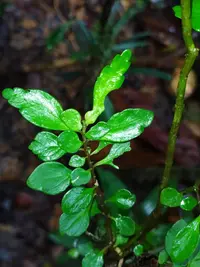
The plant forms low mats of rounded to oval green leaves on slender stems, creating a soft, textural carpet. Its growth habit makes it suitable for terrariums, shaded windowsills, or as an understory accent in mixed indoor containers.

This species prefers stable warmth, moderate humidity, and evenly moist but well-drained soil, which keeps it compact and healthy. Once its basic needs are understood, it is relatively straightforward to care for Pilea imparifolia.

Main Plant Requirements

Care Difficulty

Moderate Care

Light Preference

Bright Indirect Light

Water Requirements

Moderate Water

Temperature Preference

Tropical / Frost Sensitive

Hardiness Zone

11–12

Soil Texture

Loamy, Peaty, Organic-rich

Soil pH

Acidic (5.5–6.5), Slightly acidic (6.5–7.0)

Soil Drainage

Moist but well-drained

Fertilization

Light (every 4–6 weeks)

Get Personalized Care Plan

Scan your plant to receive care tips personalized for your specific plant

Available on iOS and Android

How to Care for the Pilea imparifolia

This species prefers bright, gentle light that mimics a forest understory.

  • Provide 4–6 hours of bright, indirect light daily, with morning sun or filtered light through a sheer curtain and protection from harsh midday rays.
  • Allow partial shade, especially outdoors, but avoid deep shade where stems stretch, leaves pale, and growth slows noticeably.
  • In summer, shield from strong afternoon sun to prevent leaf scorch; in winter, move closer to bright windows or brighter outdoor positions to compensate for shorter days.

Watering should keep the root zone lightly moist but never saturated.

  • Water when the top 2–3 cm of soil feels dry, using enough to moisten the whole root area, then let excess drain away completely.
  • Choose a well-drained mix so Pilea imparifolia roots do not sit in water; soggy soil leads to yellowing leaves, mushy stems, and possible root rot.
  • In spring and summer, expect more frequent watering as growth and evaporation increase; in cooler months, extend the interval and watch for drooping, thin leaves as a sign of underwatering.

Stable, mild temperatures support compact, healthy growth for this plant.

  • Aim for 65–80°F (18–27°C) for best growth; short exposures down to about 55°F (13°C) are tolerated but can slow metabolism and growth.
  • Protect from frost, as damage occurs near 32°F (0°C); leaf darkening, soft tissue, and collapse indicate cold injury and require prompt relocation to warmer conditions.
  • In hot spells above 85°F (29°C), increase air movement, shade from intense sun, and check soil moisture more often to prevent heat stress and leaf scorch.

This species appreciates moderate air moisture but usually adapts to typical home conditions if not extremely dry.

  • Aim for 40–60% humidity to keep Pilea imparifolia foliage firm and evenly hydrated.
  • Tolerates brief dips to 30% but prolonged very dry air may cause leaf edges to brown and curl.
  • Increase humidity with a nearby humidifier, grouped plants, or a wide pebble tray, avoiding misting that leaves foliage constantly wet.

Provide a loose, airy, organic-rich mix that drains quickly but does not dry out instantly.

  • Use a peat- or coco-based potting mix with 30–40% perlite or coarse pumice to improve drainage and aeration for Pilea imparifolia roots.
  • A slightly acidic to neutral pH around 6.0–7.0 works well for nutrient availability and root activity.
  • Blend in a small amount of fine bark or compost to add structure and slow-release nutrients without making the mix heavy.
  • Avoid dense garden soil, heavy clay, or mixes that stay wet for more than 2–3 days after watering, which can promote root rot.

This species is well suited to container growing for controlled moisture and root conditions.

  • Choose a shallow to medium-depth pot that allows the fine roots to spread rather than sit in a deep column of wet mix.
  • Select a stable, wider pot shape that supports the plant’s spreading habit and reduces the risk of tipping when foliage becomes lopsided.
  • Use porous materials like unglazed terracotta if the mix stays damp too long, or glazed pots if it dries rapidly in a bright, warm position.

Light, consistent feeding supports compact growth and healthy foliage in Pilea imparifolia.

  • Use a balanced liquid fertilizer (around 10-10-10 or 20-20-20) diluted to 1/4–1/2 strength for container plants.
  • Feed every 4–6 weeks during the growing season, when the plant is actively producing new leaves.
  • Switch to a slow-release fertilizer or very light liquid feeding if growth is moderate but not lush.
  • Stop fertilizing or reduce to 1 light feeding in midwinter, especially under low light.

Thoughtful pruning keeps Pilea imparifolia dense, tidy, and free of weak growth.

  • Best time for shaping is in spring or early summer, once new growth is visible.
  • Use clean, sharp scissors or small pruners to remove dead, yellowing, or damaged stems and leaves.
  • Pinch or cut back leggy shoots above a leaf node to encourage branching and a fuller habit.
  • Thin crowded stems slightly to improve airflow and light penetration without stripping too much foliage at once.

Repotting maintains root health and supports steady, compact growth in Pilea imparifolia.

  • Check for roots circling the pot, emerging from drainage holes, or unexplained slow growth as signs it needs a larger container.
  • Plan to repot every 2–3 years in spring, moving up only 2–3 cm in pot diameter each time.
  • Use a loose, well-drained mix containing fine bark or perlite, and set the root ball at the same soil level as before.
  • Water thoroughly after repotting, then keep the plant in bright, indirect light and slightly drier soil for 7–10 days to limit root stress.

Propagation of Pilea imparifolia is commonly done from stem cuttings taken from healthy, non-flowering shoots.

  • Take 5–8 cm stem cuttings in spring or early summer, each with at least 2–3 nodes.
  • Remove lower leaves and insert the cut end into moist, sterile, well-drained mix or perlite.
  • Maintain high humidity (50–70%) and bright, indirect light while keeping the medium just slightly moist.
  • Once new roots and leaves form, gradually reduce humidity and pot each cutting into a small container with standard mix.

This species is frost sensitive and benefits from simple winter protection in cooler climates.

  • Keep indoor plants at 60–75°F in winter, away from drafts, cold windows, and heating vents.
  • Reduce watering slightly, allowing the top layer of soil to dry before the next irrigation while avoiding complete dryness.
  • Move any outdoor containers indoors before night temperatures drop below 50°F and provide bright, indirect light.
  • Do not fertilize in winter; resume feeding when days lengthen and new growth appears.

Care Tips

Encourage Compact Growth

Pinch back overly long stems just above a leaf node to keep the plant dense, encourage branching, and prevent it from becoming leggy in lower light rooms.

Rotate For Even Shape

Turn the pot 90° every 1–2 weeks so light reaches all sides evenly, which maintains a symmetrical form and reduces weak, one-sided growth.

Use Shallow Containers

Choose a wide, shallow pot rather than a deep one to match the plant’s relatively shallow rooting habit and reduce the risk of water sitting in unused lower soil.

Refresh Tired Substrate

Top-dress annually by removing the top 1–2 cm of old mix and replacing it with fresh, airy potting mix to restore structure and reduce salt accumulation without a full repot.

Monitor With Leaf Clues

Use small changes in leaf spacing, color, and thickness as early indicators of stress when caring for Pilea imparifolia, adjusting light or watering before major decline occurs.

Common Pests and Diseases

Mealybugs

This pest appears as small white cottony clumps along stems, leaf joints, and sometimes roots, causing leaf yellowing and stunted growth. These insects are attracted to the dense, sheltered nodes and succulent tissues of Pilea imparifolia.

Solution

Isolate the plant, then wipe or dab visible insects with cotton swabs dipped in 70% isopropyl alcohol and rinse foliage with lukewarm water. For heavier infestations, use repeated applications of an insecticidal soap or neem oil spray every 7–10 days and reduce excess nitrogen fertilization that encourages soft, mealybug-prone growth.

Spider mites

This pest creates fine webbing between leaves and stems, with tiny speckling on foliage and a dull, grayish appearance, especially in dry indoor air. These insects favor the thin leaves and compact growth habit of this species under low humidity.

Solution

Increase humidity to 50–60%, gently hose or shower the plant to remove mites, and wipe leaves with a damp cloth. Follow up with insecticidal soap or neem oil on both leaf surfaces every 5–7 days until new growth appears clean, and avoid placing the plant near heating vents that dry the air.

Fungal leaf spots

This disease causes small brown or black spots with yellow halos on leaves, which can merge into larger patches and lead to premature leaf drop. Symptoms include quicker spread in crowded, shaded plants kept with consistently wet foliage.

Solution

Remove and discard affected leaves, then improve airflow by thinning crowded stems and avoiding overhead watering so leaves dry within a few hours. Water at the soil level in the morning, keep foliage clean, and if the problem persists, apply a labeled broad-spectrum fungicide according to instructions while maintaining drier leaf surfaces.

Bacterial leaf blight

This disease shows as water-soaked, translucent patches that turn dark brown and may have irregular shapes along leaf edges and veins. Symptoms include rapid expansion of lesions under warm, humid, poorly ventilated indoor conditions typical of dense Pilea groupings.

Solution

Immediately remove and discard all affected leaves, sterilizing scissors with alcohol between cuts, and avoid splashing water from plant to plant. Allow the soil surface to dry slightly between waterings, increase air movement around the plant, and avoid misting; if spread continues, discard severely affected plants to protect nearby specimens and focus on preventive hygiene for future Pilea imparifolia care instructions.

Interesting Facts

Natural cloud-forest epiphyte

Pilea imparifolia naturally grows as an epiphyte or lithophyte on mossy tree trunks and rocks in humid montane forests of Central and northern South America, rather than rooted in deep soil. This growth habit explains its preference for airy, moisture-retentive but fast-draining substrates in cultivation.

Leaf asymmetry origin

The species name imparifolia refers to its slightly unequal leaf halves, where one side of the leaf blade is subtly larger or shaped differently than the other. This mild asymmetry is a stable diagnostic feature that helps botanists distinguish it from similar Pilea species in the field.

Creeping, mat-forming stems

The plant produces thin, trailing stems that root where they touch suitable moist surfaces, forming creeping mats in its native habitat. This clonal spread allows it to quickly colonize shaded bark and rock surfaces in stable, humid microclimates.

FAQs about Pilea imparifolia

Brown, crisp edges usually result from low humidity, underwatering, or salt buildup from fertilizer. Check soil moisture, flush the pot occasionally with plain water, and avoid placing the plant near heaters, cold drafts, or strong direct airflow.

Grow Healthy Plants with Botan Care

Keep your plants happy and healthy with plant identification, disease detection, and easy care guidance.

Botan plant care app — identify plants on mobile

Explore More Plants