Red Bleeding Heart Vine Care (Clerodendrum × speciosum)

Red Bleeding Heart Vine

About Red Bleeding Heart Vine

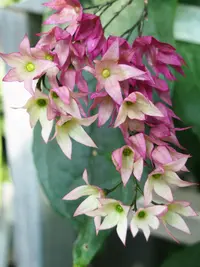
Red bleeding heart vine, Clerodendrum × speciosum, is a tropical flowering vine valued for its showy red and white, heart-shaped blooms. It is typically grown as a climber on trellises, arbors, or in hanging containers where stems can cascade. This hybrid originates from warm, humid regions and is usually cultivated as an ornamental in frost-free gardens or indoors in cooler climates. Its vigorous growth and need for regular pruning make it moderately demanding for beginners. The plant prefers bright, indirect light, evenly moist but not waterlogged soil, and good air circulation. Understanding how to care for Red Bleeding Heart Vine helps maintain strong growth and reliable flowering.

Main Plant Requirements

Care Difficulty

Moderate Care

Light Preference

Partial Sun

Water Requirements

Regular Water

Temperature Preference

Tropical / Frost Sensitive

Hardiness Zone

10–11

Soil Texture

Loamy, Organic-rich

Soil pH

Acidic (5.5–6.5), Slightly acidic (6.5–7.0)

Soil Drainage

Moist but well-drained

Fertilization

Moderate (every 2–4 weeks)

Get Personalized Care Plan

Scan your plant to receive care tips personalized for your specific plant

Available on iOS and Android

How to Care for the Red Bleeding Heart Vine

This vine flowers best with bright, gentle sunlight and some protection from intense midday sun.

  • Provide 4–6 hours of direct morning sun or late-afternoon sun, with bright filtered light during midday, especially in hot summers.
  • Tolerates light partial shade (2–3 hours direct sun), but Red Bleeding Heart Vine may produce fewer blooms and longer, weaker stems in deeper shade.
  • In very strong sun or heat, watch for leaf scorch or bleaching and give light shade; in winter, maximize exposure to low-angle sun to support flowering.

Clerodendrum × speciosum prefers evenly moist, well-drained soil without long periods of drought or saturation.

  • Water when the top 2–4 cm of soil feels dry, applying enough to moisten the root zone, then let excess drain away fully.
  • In spring and summer, expect more frequent watering as growth and heat increase; in cooler months, extend intervals while still preventing the soil from drying out completely.
  • Watch for yellowing, soft leaves or a sour smell as signs of overwatering, and for limp, crisping leaves and dry, shrinking soil as signs of underwatering.

Stable, warm conditions support vigorous growth and flowering for this tropical vine.

  • Aim for 65–80°F (18–27°C) for active growth; brief peaks up to 85°F (29°C) are usually tolerated if soil moisture and airflow are good.
  • Protect from cold; growth slows below 55°F (13°C), and tissue damage can occur near 40°F (4°C), especially during damp, windy weather.
  • This plant is highly sensitive to frost; in regions with winters below 40°F (4°C), provide shelter, mulching of roots, or move container plants to a protected, frost-free location.

This species benefits from moderately high humidity but adapts to typical household levels.

  • Aim for 50–60% humidity for best growth of Red Bleeding Heart Vine and sustained flowering.
  • In dry air, watch for crisp leaf edges, drooping new growth, and buds that dry or fail to open.
  • Increase humidity with a nearby humidifier, grouping plants together, or placing the pot on a pebble tray above (not in) water.

This vine needs a loose, organic-rich, well-drained mix that still retains some moisture.

  • Use a peat- or coco-based potting mix with added compost, plus 20–30% perlite or pine bark to improve aeration.
  • Clerodendrum × speciosum grows best in slightly acidic to neutral soil, around pH 6.0–7.0.
  • Ensure water drains freely within seconds; avoid mixes that stay waterlogged or form a dense, sticky mass after watering.
  • Do not use heavy garden soil or pure clay, which limit root oxygen and increase root-rot risk.

This species is well suited to container growing when its vigorous roots and climbing habit are managed.

  • Choose a pot heavy enough to resist tipping once the vine is trained up a trellis or support.
  • Select a container deep and wide enough to allow a substantial root mass, which stabilizes growth and flowering.
  • Use a potting container with multiple drainage holes so excess water exits quickly, preventing soggy lower zones in the root ball.

This vigorous vine benefits from steady nutrition to support foliage and flowering of Red Bleeding Heart Vine.

  • Use a balanced water-soluble fertilizer (for example 10-10-10 or 20-20-20) diluted to 1/2 strength for container plants.
  • Feed every 2–4 weeks during the active growing season, once new growth appears in spring through late summer.
  • Reduce feeding to monthly at most in fall, and stop in winter when growth slows or the plant rests.
  • For outdoor plants, a light layer of compost or a slow-release fertilizer in spring can maintain even growth.

Pruning helps Clerodendrum × speciosum stay compact, encourage branching, and produce more flowers.

  • Prune in late winter or early spring before strong new growth starts, avoiding heavy cuts during peak flowering.
  • Remove dead, damaged, or crossing stems first, using clean, sharp hand pruners.
  • Shorten long, leggy shoots to a pair of healthy buds to promote bushier growth and more flowering points.
  • After the main bloom, lightly thin overcrowded stems to improve light penetration and air movement.

Container-grown plants appreciate occasional repotting to maintain root health and sustained growth.

  • Plan to repot every 2–3 years in late winter or early spring when growth is just restarting.
  • Check for roots circling the pot, pushing through drainage holes, or noticeably slowed growth as signs it needs more space.
  • Move up only 1–2 in in pot diameter, using fresh, well-drained mix, and gently tease apart circling roots to reduce stress.
  • Water thoroughly after repotting, keep in bright but indirect light for 3–7 days, and avoid heavy feeding until new growth appears.

This vine is commonly propagated from stem cuttings for consistent flowering plants.

  • Take 7–10 cm softwood or semi-ripe cuttings in late spring or early summer, selecting healthy, non-flowering shoots.
  • Remove lower leaves, optionally dip the cut end in rooting hormone, and insert into moist, free-draining medium such as perlite and peat.
  • Maintain warm conditions around 70–75°F with high humidity and bright, indirect light while roots develop.
  • Once rooted and new growth appears, acclimate gradually to lower humidity, then pot on into a standard container mix.

This tropical vine is frost-sensitive and needs thoughtful winter management in cool climates.

  • In regions below about 40°F, grow in containers so plants can be moved indoors before the first frost.
  • Indoors, place in bright light, water less often, and allow the top layer of soil to dry slightly between waterings.
  • In mild climates, apply 5–8 cm of organic mulch around the root zone to moderate soil temperature and moisture.
  • Remove any freeze-damaged stems in late winter, once the risk of hard frost has passed.

Care Tips

Provide Climbing Support

Install a sturdy trellis, obelisk, or wires early and gently tie new shoots with soft plant ties so vines can be directed upward and spaced out for better flowering and airflow.

Pinch for Bushiness

Pinch or lightly tip-prune soft, actively growing ends of young stems several times in spring to encourage branching and create a fuller framework before the main flowering flush.

Seasonal Rest Management

If growth slows in cooler months, reduce feeding, keep the soil just barely moist, and avoid heavy pruning so the plant can rest and then resume vigorous growth in spring.

Monitor For Mites

Regularly check the undersides of leaves and tender tips for fine webbing or speckling, and if spider mites appear, respond quickly with a gentle shower and targeted miticide or horticultural soap before damage spreads.

Rotate And Reposition

Rotate the container by 90° every 1–2 weeks and slightly adjust its position with the seasons so all sides receive similar light, which helps maintain an even shape when caring for Red Bleeding Heart Vine.

Common Pests and Diseases

Spider mites

This pest is common on Clerodendrum vines grown in warm, dry indoor air and causes fine webbing, pale stippling, and leaf edge bronzing. Symptoms include slowed growth and leaves that look dusty or speckled.

Solution

Rinse foliage thoroughly with a strong, lukewarm water spray, including leaf undersides, then repeat every few days until no webbing remains; increase humidity and avoid very dry, hot positions. For heavier infestations, use insecticidal soap or a horticultural oil labeled for mites, applied according to Red Bleeding Heart Vine care instructions and repeated as needed.

Whiteflies

These insects favor soft new growth and the underside of leaves, where they suck sap and weaken the plant. Symptoms include tiny white moth-like adults that fly up when disturbed and sticky honeydew on leaves or nearby surfaces.

Solution

Remove heavily infested leaves and gently hose down both sides of remaining foliage to dislodge adults and nymphs. Combine yellow sticky traps with regular applications of insecticidal soap or neem oil, ensuring good coverage of leaf undersides and repeating weekly until populations drop.

Aphids

These insects cluster on tender shoots, leaf tips, and flower stems, distorting new growth and excreting sticky honeydew that can lead to sooty mold. Symptoms include curled or puckered leaves and reduced flowering.

Solution

Pinch or prune off badly affected shoot tips, then wash remaining stems and foliage with a firm water spray to remove colonies. Follow with targeted insecticidal soap treatments every 5–7 days on new growth until aphids are no longer visible, and avoid overfertilizing with high-nitrogen products that encourage soft, aphid-prone shoots.

Powdery mildew

This disease develops in warm conditions with poor air movement, creating a white, powdery film on upper leaf surfaces and sometimes on stems. Symptoms include dull, distorted leaves and premature leaf drop, especially on crowded plants.

Solution

Improve air circulation by spacing and light pruning, avoid overhead watering late in the day, and remove heavily infected leaves and dispose of them in the trash. Treat remaining foliage with a fungicidal spray labeled for powdery mildew, or use sulfur or potassium bicarbonate products, applying at the first signs of infection and repeating as directed.

Leaf spot

This disease causes tan to brown spots with darker borders on leaves, sometimes leading to yellowing and early leaf shed, especially on stressed vines. Symptoms include scattered lesions that may merge into larger dead patches on older foliage.

Solution

Remove and discard affected leaves promptly and keep foliage dry by watering at the soil level rather than from above. Improve air flow around the plant and, for persistent problems, apply a copper-based or other broad-spectrum foliar fungicide according to label directions, monitoring new growth closely for recurrence.

Interesting Facts

Hybrid of two species

This ornamental vine is a cultivated hybrid between Clerodendrum thomsoniae and Clerodendrum splendens, combining the white to pale calyx from one parent with the rich red corolla from the other.

Color-changing calyces

The showy white or pale pink calyces that surround the red flowers gradually age to a papery pink or purplish tone, so a single inflorescence can display multiple color stages at once.

Daylength-sensitive flowering

Flowering is strongly influenced by daylength and light intensity, so in subtropical climates it often blooms most heavily in late spring and summer when days are longer and light levels are higher.

Botan icon

Did you know?

Unlike its parent species, which occur naturally in West and Central Africa, Clerodendrum × speciosum is not known from wild habitats and is considered a horticultural hybrid that exists only in cultivation and managed landscapes.

FAQs about Red Bleeding Heart Vine

Insufficient light, lack of warmth, or minimal pruning commonly reduce flowering. This plant blooms best with bright conditions, moderate feeding, and regular removal of old growth. Seasonal temperature dips or recent repotting can also temporarily halt buds.

Grow Healthy Plants with Botan Care

Keep your plants happy and healthy with plant identification, disease detection, and easy care guidance.

Botan plant care app — identify plants on mobile

Explore More Plants