Callisia gentlei Care

Callisia gentlei

About Callisia gentlei

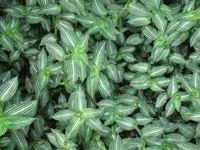
Callisia gentlei is a trailing perennial from tropical Central America, grown mainly as an ornamental foliage plant. It forms dense, cascading stems that can spill over pots or hang from baskets. Leaves are small, typically lance-shaped, and form a tight, tidy mat of greenery.

In its natural habitat, C. gentlei grows in warm, humid forest environments with filtered light. The plant is usually considered moderately easy to grow if its preference for stable warmth and consistent moisture is respected. Light, porous soil and good drainage help prevent root problems and make it easier to care for Callisia gentlei.

Main Plant Requirements

Care Difficulty

Easy Care

Light Preference

Bright Indirect Light

Water Requirements

Moderate Water

Temperature Preference

Tropical / Frost Sensitive

Hardiness Zone

10–11

Soil Texture

Loamy, Sandy, Organic-rich

Soil pH

Acidic (5.5–6.5), Slightly acidic (6.5–7.0)

Soil Drainage

Moist but well-drained

Fertilization

Light (every 4–6 weeks)

Get Personalized Care Plan

Scan your plant to receive care tips personalized for your specific plant

Available on iOS and Android

How to Care for the Callisia gentlei

This plant prefers bright, indirect light and gentle morning sun for compact, healthy growth.

  • Provide 3–5 hours of soft morning sun with bright, filtered light for the rest of the day; shield from harsh noon and late-afternoon sun to prevent leaf scorch.
  • Tolerates light shade, but stems may stretch and foliage lose color if grown in less than 4–6 hours of bright ambient light.
  • In summer, move containers or hanging baskets back from south- and west-facing exposures; in winter, shift closer to windows or use sheer-curtained south light to compensate for shorter days.

Watering should keep the soil lightly moist but never saturated to avoid root problems.

  • Water when the top 2–3 cm of soil feels dry; in active growth this may mean checking every few days rather than following a fixed schedule.
  • Use a free-draining mix and allow excess water to run out; persistent wetness, yellowing, and mushy stems indicate overwatering and poor aeration.
  • In cooler months or low light, let the top layer dry a bit deeper, while in warm, bright conditions watch for limp or curling leaves as a sign it needs water sooner.

Stable, warm conditions support dense growth and reduce stress in this species.

  • Aim for 65–80°F (18–27°C) for best growth; warmer temperatures within this range speed growth if humidity and watering are balanced.
  • Protect the plant from cold; growth slows below 60°F (16°C) and tissue damage can occur below about 45°F (7°C), especially with wind or damp soil.
  • Avoid placing it where temperatures exceed 90°F (32°C) for long periods; in hot spells, increase shade and airflow to limit leaf scorch and wilting.

This species prefers moderate to moderately high humidity for dense, healthy growth.

  • Aim for 40–60% humidity; it tolerates short dry spells but foliage may thin in very dry air.
  • Crisping leaf tips, curled edges, and slowed growth indicate humidity stress, especially near heaters or strong drafts.
  • Increase humidity with a nearby pebble tray, grouping plants, or a small room humidifier rather than frequent misting.

This trailing species prefers a loose, fast-draining, organic-rich substrate.

  • Use a peat- or coco-coir-based mix with added perlite or pumice and a small amount of compost for nutrients.
  • Ensure the mix feels light and crumbly so roots get air; dense, compacted substrates can cause root rot.
  • Aim for slightly acidic to neutral pH around 6.0–7.0, similar to standard all-purpose potting mixes.
  • Avoid heavy garden soil, high-clay mixes, or containers without free drainage, as these hold excess water around roots.

This species is well suited to container growing, including hanging baskets and shallow, wide pots.

  • Choose a wide, shallow container to match its spreading growth habit and reduce the risk of soggy lower layers.
  • Opt for a slightly heavier or weighted pot if grown in a hanging or raised position to prevent tipping as stems trail.
  • Select materials like terracotta if extra evaporation is needed, or glazed plastic/ceramic where moisture retention is a concern.

Light, consistent feeding supports dense foliage and healthy growth in Callisia gentlei.

  • Use a balanced liquid fertilizer (around 10-10-10 or 20-20-20) diluted to 25–50% strength for container plants.
  • Feed every 4–6 weeks during spring and summer when growth is active.
  • Reduce feeding to 1 light application in fall and stop during winter dormancy indoors.
  • Compost or a slow-release granular product mixed into the top layer can supply gentle long-term nutrients.

Thoughtful pruning keeps Callisia gentlei compact, full, and free of weak growth.

  • Best time for shaping cuts is in spring and early summer, once active growth starts.
  • Remove dead, yellowing, or damaged stems at the base with clean, sharp scissors or snips.
  • Trim back leggy or overly long vines to encourage branching and a denser mat of foliage.
  • Pinch soft tips regularly during the growing season to maintain shape and prevent tangling.

Repotting helps maintain root health and stable growth for container-grown Callisia gentlei.

  • Check for roots circling the pot, pushing through drainage holes, or slowed top growth as signs repotting is needed.
  • Plan to move the plant to a slightly larger container every 1–2 years in spring.
  • Use a airy, well-draining mix and gently loosen circling roots before placing into the new pot.
  • Water thoroughly after repotting, then keep in bright, indirect light and slightly drier soil for 3–5 days to limit transplant stress.

Callisia gentlei multiplies well from stem cuttings taken during active growth.

  • Take 5–10 cm stem cuttings in late spring or summer, including several nodes and healthy leaves.
  • Remove lower leaves and place nodes in water or a moist, well-draining mix such as perlite and peat.
  • Maintain bright, indirect light, 70–80°F warmth, and high humidity for reliable rooting.
  • Once new roots reach 2–3 cm, pot cuttings into a small container and resume normal watering.

This species dislikes frost and needs protection in regions with cold winters.

  • Move containers indoors before temperatures drop near 40°F, providing bright, indirect light.
  • Keep indoor temperatures around 60–75°F and avoid cold drafts or unheated windowsills.
  • Water less in winter, letting the top layer of soil dry slightly deeper to match slower growth.
  • In mild climates, a light mulch around outdoor plants buffers short cool spells at the root zone.

Care Tips

Regular stem renewal

Every 6–8 months, cut back the oldest, bare stems by 1/2–2/3 to encourage fresh basal shoots and keep the plant compact rather than letting it become thin and straggly.

Layering for fullness

Pinch off the tip of a long, flexible stem, lay a mid-section onto the soil surface, and lightly pin it down so the nodes root and create a denser, multi-point plant in the same pot.

Strategic tip pinching

Once stems reach 15–20 cm, regularly pinch out just the soft growing tips to promote branching at each node and build a bushier, cushion-like growth habit.

Upright support training

If a fuller, mounded form is desired, insert small hoops or low wire supports and gently weave young stems through them so they grow up and over instead of hanging straight down.

Preventive pest scouting

Every 1–2 weeks, check the undersides of leaves and along stem joints for early signs of spider mites or mealybugs, and rinse foliage under a gentle lukewarm shower at the sink to remove dust and deter pests while caring for Callisia gentlei.

Common Pests and Diseases

Spider mites

This pest thrives on the thin, succulent foliage and dense trailing growth, causing fine stippling, dull leaves, and webbing on stems and leaf joints.

Solution

Rinse stems and leaves thoroughly with a strong but controlled stream of lukewarm water, then repeat every few days; in persistent cases, apply insecticidal soap or a neem oil spray to all leaf surfaces and increase humidity while avoiding heat and drought stress to support Callisia gentlei care instructions.

Mealybugs

These insects hide in stem joints and along leaf bases, producing white cottony clusters and sticky honeydew that can lead to sooty mold on the dense mat of foliage.

Solution

Isolate the plant, swab visible insects with cotton buds dipped in isopropyl alcohol, then follow with repeated applications of insecticidal soap, ensuring good coverage of nodes, undersides of leaves, and any crowded growing points.

Aphids

These insects cluster on tender shoot tips and hanging new growth, sucking sap and causing distortion, yellowing, and sticky residue that may attract ants.

Solution

Shower the plant to dislodge colonies, then treat remaining insects with insecticidal soap or a dilute neem oil spray, repeating weekly until new growth appears clean and maintaining moderate fertilization to avoid overly soft, aphid-prone shoots.

Edema

This disorder develops when roots take up water faster than the foliage can transpire it, leading to small corky, blistered spots or rough patches on leaves, especially on lower, older trails.

Solution

Reduce watering frequency, improve drainage, and ensure the pot does not sit in standing water; provide bright indirect light and steady temperatures so the plant can use water more evenly, and remove only the worst-affected foliage for appearance if desired.

Bacterial leaf spot

This disease produces small, water-soaked, translucent to dark lesions on the soft leaves, which may merge into larger irregular patches under warm, humid, crowded conditions.

Solution

Remove and discard affected leaves, improve air circulation around the trailing stems, avoid wetting the foliage during watering, and allow the surface of the potting mix to dry slightly between waterings; in severe or recurrent cases, discard heavily infected plants to protect nearby stock.

Interesting Facts

Narrow native range

Callisia gentlei is naturally restricted to parts of Belize, Guatemala, and nearby regions, where it grows in warm, humid lowland forests rather than across the broader Neotropical range seen in many related Callisia species.

Distinct variegated forms

Several naturally occurring and horticultural forms of this species show stable leaf variegation patterns, including creamy or pink striping, which arise from differences in chlorophyll distribution within the leaf tissue.

Trailing forest understory

In its native habitat this plant grows as a low, trailing understory species, rooting along its stems as it creeps over leaf litter and rocks, which helps it quickly occupy small gaps in the forest floor light.

FAQs about Callisia gentlei

Brown leaf tips or patches usually come from low humidity, underwatering, or salt buildup from fertilizer. Check soil moisture, flush the pot occasionally with plain water, and trim damaged parts. Avoid hot, dry drafts and sudden temperature swings.

Grow Healthy Plants with Botan Care

Keep your plants happy and healthy with plant identification, disease detection, and easy care guidance.

Botan plant care app — identify plants on mobile

Explore More Plants