roadside agrimony Care (Agrimonia striata)

Also known as: grooved agrimony
roadside agrimony

About roadside agrimony

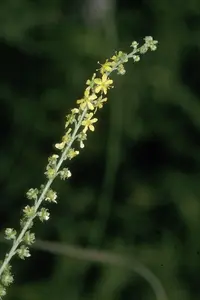
Roadside agrimony (Agrimonia striata) is a perennial wildflower in the rose family, known for its tall, slender stems and small yellow flowers held in narrow spikes. It typically grows 30–90 cm tall, with divided leaves and burr-like seed pods that cling to fur and fabric.

This species is native to North America and is often found along roadsides, woodland edges, and open meadows with moderately moist soils. It adapts well to average garden conditions, which makes it relatively easy for gardeners who want to care for roadside agrimony without demanding maintenance.

The plant prefers full sun to light shade and benefits from soils that drain well but do not stay bone-dry for long periods.

Main Plant Requirements

Care Difficulty

Easy Care

Light Preference

Full Sun

Water Requirements

Moderate Water

Temperature Preference

Cold Hardy

Hardiness Zone

3–7

Soil Texture

Sandy, Loamy, Silty

Soil pH

Acidic (5.5–6.5), Slightly acidic (6.5–7.0)

Soil Drainage

Moist but well-drained

Fertilization

Minimal (feed rarely)

Get Personalized Care Plan

Scan your plant to receive care tips personalized for your specific plant

Available on iOS and Android

How to Care for the roadside agrimony

This North American wildflower prefers open, bright conditions similar to sunny meadows and roadsides.

  • Provide 6–8 hours of direct sun daily; morning and midday sun are ideal, with light afternoon shade in hotter regions.
  • Roadside agrimony tolerates light or dappled shade for part of the day, but flowering and vigor decrease with less than 4–5 hours of sun.
  • In summer, monitor for leaf scorch or wilt in exposed, dry sites; in spring and fall, full sun is usually safe and promotes strong growth.

This species prefers consistently moist but not saturated soil, especially during active growth.

  • Allow the top 2–4 cm of soil to dry slightly between rains or irrigations; soil should feel cool and lightly moist below the surface.
  • Increase watering during hot, dry periods if leaves start to droop by midday, but avoid puddling or standing water around roots.
  • Use well-drained, loamy soil; yellowing, soft stems suggest overwatering, while crisp, browning leaf edges indicate extended dryness for Agrimonia striata.

This hardy perennial is adapted to temperate climates with cold winters and warm summers.

  • Optimal growing temperatures are about 60–80°F (16–27°C) during the main growing season, supporting steady leaf and stem development.
  • Plants tolerate winter lows well below 32°F (0°C) once dormant, with roots often hardy to at least -20°F (-29°C) when soil is not waterlogged.
  • During summer heat above 90°F (32°C), flowering may slow; provide mulch to keep roots cooler and reduce stress from temperature swings.

Humidity is not a major factor for roadside agrimony, which adapts well to typical outdoor air conditions in temperate regions.

Agrimonia striata prefers moderately fertile, well-drained mineral soils that do not stay wet for long periods.

  • Use a loamy or sandy-loam soil with 10–20% compost mixed in to support steady growth without excessive lushness.
  • Ensure water drains freely; avoid heavy clay or compacted ground that holds water and increases root-rot risk.
  • Aim for slightly acidic to neutral pH, around 6.0–7.0, which suits most garden loams and supports nutrient uptake.
  • Improve aeration and drainage by working in coarse sand or fine gravel in sites with dense or sticky soil.

This species can grow in containers outdoors if the pot is deep and drains rapidly.

  • Choose a container at least 25–30 cm deep to accommodate the taproot and prevent stunted growth.
  • Use a heavier or wider pot to keep the tall flowering stems stable in wind and reduce tipping risk.
  • Position the pot where excess rainwater can run off freely so the drainage holes never sit in a saucer of standing water.

Agrimonia striata is a low-nutrient native that usually needs minimal feeding in garden soil.

  • Use a light top-dressing of compost in early spring to support new growth.
  • If soil is very poor, apply a balanced slow-release fertilizer (around 10-10-10) at half strength once in spring.
  • Avoid midsummer and late-fall feeding to prevent soft growth before cold weather.
  • In containers, limit feeding to 1–2 light applications during the growing season, none in winter.

Pruning Agrimonia striata is simple and mainly focused on cleanup and maintaining a tidy clump.

  • Cut back spent flower spikes after blooming to prevent excess self-seeding and encourage a neater form.
  • In late fall or very early spring, remove dead, damaged, or weak stems at the base with clean hand pruners.
  • Thin crowded stems slightly to improve air flow and reduce foliar disease risk.
  • Avoid heavy shaping cuts; this species naturally forms an upright, relaxed habit.

This species is most often grown in the ground, so focus on thoughtful transplanting rather than frequent repotting.

  • Transplant roadside agrimony in early spring or early fall when temperatures are mild and soil is moist.
  • Look for slow growth, plants heaving out of the soil, or dense, circling roots in containers as signs it needs more space.
  • Move plants only every few years, lifting with a wide root ball to keep roots intact.
  • Replant at the same depth in well-drained soil, water thoroughly, and shade lightly for 3–5 days to reduce transplant shock.

Agrimonia striata is most commonly propagated by seed, with division as a secondary option in established clumps.

  • Collect ripe seeds in late summer and sow in fall outdoors for natural cold stratification.
  • For spring sowing, provide 6–8 weeks of moist chilling at 35–40°F before planting in a bright, cool spot.
  • Lightly cover seeds and keep soil just moist; germination can be slow and uneven.
  • Divide mature clumps in early spring, replanting sections promptly and watering well.

This hardy perennial tolerates typical winters in much of the US and usually needs little special attention.

  • Plants are cold hardy to freezing conditions once established, dying back to the root crown.
  • After frost, stems can be left standing for wildlife or cut to ground level if a tidier look is preferred.
  • Apply a 5–7 cm mulch layer over the root zone in colder regions to moderate soil temperature and moisture.

Care Tips

Sturdy staking

Install a low, unobtrusive stake or ring support early in the season for taller clumps so flower spikes stay upright and are less likely to lodge in wind or heavy rain.

Weed-suppressing mulch

Apply a 3–5 cm layer of organic mulch around, but not touching, the crowns to suppress aggressive weeds that compete for moisture and nutrients while keeping the root zone cool.

Targeted division

Divide mature clumps every 3–4 years in early spring, replanting only the most vigorous outer sections to maintain strong flowering and reduce congestion in the center.

Seed head management

Cut back seed heads before they fully dry if self-seeding is not desired, or leave a portion to mature if you want to collect seed for controlled sowing when growing roadside agrimony.

Pollinator corridor planning

Plant in loose drifts or along borders with other native forbs that bloom in succession to create a continuous pollinator corridor and encourage better pollination and seed set.

Common Pests and Diseases

Leaf spot

This disease causes small water-soaked or brown lesions on leaves that can merge into larger blotches in humid weather. Symptoms include premature yellowing and shedding of lower foliage on roadside agrimony stands.

Solution

Remove and dispose of spotted or heavily affected leaves to reduce spore spread, and avoid overhead watering so foliage dries quickly. Improve spacing and airflow around plants; if the problem is severe and recurring, apply a copper- or chlorothalonil-based fungicide labeled for foliar leaf spots on herbaceous perennials, following label directions carefully.

Powdery mildew

This disease appears as white or gray powdery patches on upper leaf surfaces, stems, and sometimes flower stalks, often later in the season. Symptoms include distorted growth and reduced vigor, especially in shaded or crowded plantings.

Solution

Increase sunlight and airflow by thinning surrounding vegetation and avoid prolonged leaf wetness. Remove the most affected shoots and use a sulfur or potassium bicarbonate product labeled for powdery mildew if needed, applying at the first sign of infection and repeating as directed in the product instructions.

Aphids

These insects cluster on young stems, leaf undersides, and flower spikes, sucking sap and excreting sticky honeydew. This pest can cause curling or distortion of new growth and may attract sooty mold on the honeydew surface.

Solution

Spray colonies off with a strong stream of water, focusing on the undersides of leaves and tender shoot tips. For persistent infestations, treat with insecticidal soap or a light horticultural oil, applied in the early morning or evening to minimize leaf burn and to support Agrimonia striata plant care without harming beneficial insects.

Leafhoppers

These insects are small, wedge-shaped, and very active, leaving pale stippling, yellowing, or tiny white spots across leaves. This pest can also transmit some leaf pathogens and cause marginal leaf browning under hot, dry conditions.

Solution

Reduce nearby tall grasses and dense weeds that shelter leafhoppers, and use a strong water spray to dislodge nymphs from foliage. If damage is significant, apply insecticidal soap or a low-impact pyrethrin product in the evening, ensuring thorough coverage of both leaf surfaces.

Rust

This disease forms small orange, brown, or rust-colored pustules on the undersides of leaves, often with yellow spots visible from above. Symptoms include early leaf drop and gradual thinning of plant clumps in seasons with extended moisture on foliage.

Solution

Remove and destroy infected leaves as soon as lesions are noticed, and avoid overhead irrigation to keep foliage dry. Improve spacing and airflow; where rust recurs severely, use a labeled systemic or protectant fungicide for rust on herbaceous perennials, rotating active ingredients to reduce resistance risk.

Interesting Facts

North American specialist

This species is native to North America and is especially associated with moist edges of woods, stream banks, and roadside ditches across much of Canada and the northern United States, unlike some other agrimony species that favor drier, more open grasslands.

Distinctive leaf structure

Its leaves are odd-pinnate, with toothed leaflets and small interjected leaflets between the larger ones, creating a layered, feathery appearance that helps distinguish it from closely related Agrimonia species in the field.

Hooked fruit dispersal

The small burr-like fruits are covered with hooked bristles that cling to fur, feathers, and clothing, allowing the plant to spread along animal trails and human paths, which is one reason growing roadside agrimony is commonly observed along well-traveled corridors.

Botan icon

Did you know?

Agrimonia striata plays a role as a host and nectar source for a variety of native insects, including some specialist moth caterpillars that feed on its foliage and pollinating flies and bees that visit its yellow flower spikes, thus linking forest edges and open habitats within local food webs.

FAQs about roadside agrimony

Poor flowering usually comes from too much shade, overly rich nitrogen fertilizer, or plants that are still immature. Ensure at least partial sun, avoid heavy feeding, and do not deadhead too early so flower spikes can develop fully.

Grow Healthy Plants with Botan Care

Keep your plants happy and healthy with plant identification, disease detection, and easy care guidance.

Botan plant care app — identify plants on mobile

Explore More Plants