Crown Pineapple Lily Care (Eucomis comosa)

Crown Pineapple Lily

About Crown Pineapple Lily

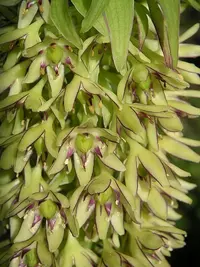
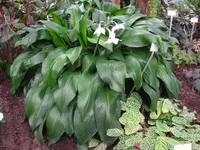
Crown pineapple lily, Eucomis comosa, is a bulbous perennial grown mainly for its unusual flower spikes topped with a rosette of leafy bracts that resemble a pineapple crown. Plants form low clumps of broad, often speckled leaves and send up sturdy stems with densely packed starry flowers in summer. Native to South Africa, it prefers warm, sunny conditions and well-drained soil, performing well in borders, containers, or as a seasonal focal point. It is generally considered easy to grow if kept out of heavy, waterlogged soils and protected from hard frost. Learning how to care for Crown Pineapple Lily mainly involves getting drainage and winter protection right.

Main Plant Requirements

Care Difficulty

Moderate Care

Light Preference

Full Sun

Water Requirements

Moderate Water

Temperature Preference

Warm Climate

Hardiness Zone

7–10

Soil Texture

Sandy, Loamy, Organic-rich

Soil pH

Acidic (5.5–6.5), Slightly acidic (6.5–7.0)

Soil Drainage

Well-drained

Fertilization

Light (every 4–6 weeks)

Get Personalized Care Plan

Scan your plant to receive care tips personalized for your specific plant

Available on iOS and Android

How to Care for the Crown Pineapple Lily

Eucomis comosa thrives in bright conditions with a balance of sun and light shade.

  • Provide 6–8 hours of light daily, ideally full morning sun with light or filtered afternoon shade to prevent leaf scorch, especially in hot summer climates.
  • Tolerates light partial shade (around 3–4 hours of direct sun) but flowering of Crown Pineapple Lily may be reduced and stems can stretch or lean toward the light source.
  • In cooler regions, choose a full-sun position; in hotter regions, give midday shade and avoid reflected heat from walls or paving to protect foliage.

This bulb prefers evenly moist but not saturated soil during its active growing season.

  • Allow the top 3–5 cm of soil to dry before watering again, then water deeply so moisture reaches the bulbs, letting excess drain away to avoid standing water.
  • During active growth in spring and summer, increase watering during hot, dry spells; in late fall and winter, reduce watering sharply once foliage yellows and bulbs go dormant.
  • Watch for yellowing, soft leaves or a rotten bulb smell as signs of overwatering, and for limp, folding leaves and very dry soil as signs Eucomis comosa needs water sooner.

This species grows best in warm, frost-free conditions but tolerates a moderate temperature range.

  • Optimal growth occurs at 65–80°F (18–27°C), supporting strong foliage and flower spikes during late spring and summer.
  • Bulbs are damaged by hard frost; protect or lift them if temperatures drop below 25°F (-4°C), and provide a dry mulch layer when nights fall near freezing.
  • Tolerates short heat spells up to about 90°F (32°C) if soil moisture is maintained, but growth can stall in prolonged extreme heat or if roots overheat in poorly mulched, exposed soil.

This species handles typical indoor humidity but grows best with moderately moist air.

  • Aim for 40–60% humidity; short dry spells are tolerated if watering is consistent.
  • Dry air stress shows as browning leaf tips and slower flower spike development.
  • Increase humidity by grouping pots, placing trays with water and pebbles nearby, or running a small humidifier close to a Crown Pineapple Lily.

Eucomis comosa prefers a sharply draining, slightly moisture-retentive mix that prevents waterlogging around the bulb.

  • Use a sandy or loamy mix with structure, such as 50–60% peat-free potting mix plus 40–50% grit, coarse sand, or perlite.
  • Ensure fast drainage; water should clear the surface within seconds and not pool in the container or planting hole.
  • Target a slightly acidic to neutral pH around 6.0–7.0, avoiding strongly alkaline or saline conditions that restrict nutrient uptake.
  • Improve aeration by mixing in coarse materials like pumice or bark chips and avoid heavy clay or compacted garden soil.

This bulb is well suited to growing in containers outdoors in warm seasons.

  • Choose a pot that is at least 25–30 cm deep so the bulb sits with several centimeters of mix under it for root anchoring.
  • Select a wide, heavy container to counterbalance the tall flower spikes and prevent tipping in wind.
  • Use a container material with moderate porosity, such as thick terracotta or frost-resistant ceramic, to stabilize moisture while still allowing evaporation.

Eucomis comosa responds well to moderate feeding during its active growing season.

  • Use a balanced liquid fertilizer (around 10-10-10 or 20-20-20) diluted to 1/2 strength every 3–4 weeks in spring and summer.
  • For container-grown Crown Pineapple Lily, a slow-release granular fertilizer mixed into the topsoil at spring emergence works well.
  • Supplement with a thin layer of compost around outdoor clumps to support bulb and leaf growth without overfeeding.
  • Stop feeding in late summer and avoid fertilizer in fall and winter while bulbs are dormant.

Pruning needs for Eucomis comosa are low and focus on cleanliness and bulb health.

  • In late fall or after the first frost, cut back spent flower spikes at the base using clean, sharp pruners.
  • Remove yellowing or damaged leaves during the growing season to reduce disease risk and keep the clump tidy.
  • Allow healthy green foliage to remain until it dies back naturally so bulbs can store energy for next year’s blooms.
  • Dispose of pruned material rather than composting if fungal spots or rot are present.

Container-grown or crowded clumps of Eucomis comosa benefit from occasional division and repotting or transplanting.

  • Check for roots circling the pot drainage holes, bulbs pressing against the container, or reduced flowering as signs it needs more space.
  • Plan repotting or garden transplanting in late winter to early spring, just before new growth starts, every 3–4 years.
  • Lift bulbs gently, separate offsets by hand, and replant at the same depth in fresh, sharply drained mix or amended garden soil.
  • Water lightly after replanting to settle soil around roots, then keep slightly moist and shaded for 7–10 days to limit transplant shock.

Propagation of Eucomis comosa is commonly done by bulb division and sometimes from seeds or leaf cuttings.

  • Divide mature clumps in late winter or early spring, separating firm, healthy bulbs and replanting offsets with their basal plates intact.
  • Sow fresh seeds in a well-drained seed mix at 65–75°F, keeping lightly moist; note seedlings may take several years to flower.
  • Leaf cuttings from strong, disease-free leaves can root in sandy mix under bright, indirect light and high humidity, producing small bulblets.
  • Label propagated material with date and method to track establishment time and flowering onset.

Eucomis comosa needs specific winter care in colder climates, especially where sustained freezes occur.

  • In mild regions (around USDA zones 8–9), allow foliage to die back, then apply a 5–10 cm mulch over the bulb area.
  • In colder zones, lift bulbs after frost blackens leaves, dry them, and store in a cool, frost-free place at 40–50°F.
  • Container plants in cold regions should be moved indoors to a bright, cool, dry spot before hard frost.
  • During dormancy, keep bulbs almost dry to prevent rot while ensuring some air circulation around stored bulbs.

Care Tips

Mark Dormancy Spot

When foliage dies back, mark the pot rim or bed position with a durable tag so you do not accidentally disturb or discard the resting bulbs during winter or spring bed work.


Use Low Grit Mulch

Top-dress with a thin layer of fine gravel or coarse grit around the bulbs to keep the necks dry, reduce soil splash on the flower spikes, and discourage slugs from grazing emerging shoots.

Stake Flower Spikes

Insert discreet, slim stakes as soon as the flower stems reach 15–20 cm and tie loosely with soft ties so heavy, top-loaded blooms stay upright in wind and rain without kinking the stem.

Lift And Grade Bulbs

Every 3–4 years, lift clumps in late dormancy, separate offsets by size, and replant larger bulbs together and smaller bulbs together to get more uniform flowering and easier planning when growing Crown Pineapple Lily.

Rotate Containers Seasonally

If grown in pots, rotate containers by 90° every 1–2 weeks during active growth so the flower spikes develop straight and the foliage remains evenly balanced around the plant.

Common Pests and Diseases

Narcissus bulb fly

This pest targets bulbs, where larvae tunnel into the tissue and cause plants to emerge weak, distorted, or not at all.

Solution

Lift and inspect bulbs if growth is poor, discarding any soft, hollow, or badly tunneled bulbs; healthy bulbs can be replanted in fresh, well-drained soil. In areas with recurring problems, cover soil with fine mesh from spring to early summer to prevent egg-laying, and avoid leaving damaged or spent bulbs in the ground as breeding sites.

Slugs and snails

These insects feed on young foliage and emerging shoots, leaving irregular holes and ragged edges, especially in damp conditions.

Solution

Hand-pick at night or early morning, use copper tape or rings around pots, and remove debris or dense groundcover near plants to reduce hiding spots. In high-pressure areas, set out slug traps or use iron phosphate slug baits according to label directions, keeping them away from children and pets.

Basal plate rot

This disease causes brown, soft decay at the base of the bulb, leading to yellowing foliage, stunted growth, and eventual collapse of the plant.

Solution

Dig up affected bulbs, discard any showing soft, discolored, or foul-smelling tissue, and improve drainage in planting areas to keep bulbs from sitting in waterlogged soil. Always plant only firm, healthy bulbs, sanitize tools between plants, and allow surplus bulbs to dry briefly in a shaded, airy place before storage or replanting.

Leaf spot

This disease produces small brown or purple lesions on leaves that may enlarge, merge, and cause premature yellowing and dieback, especially in wet summers or dense plantings.

Solution

Promptly remove and dispose of affected leaves, avoid overhead watering, and space plants to improve air movement around foliage. In recurrent cases, apply a labeled ornamental bulb fungicide at the first signs of spotting, following intervals and safety instructions on the product label.

Interesting Facts

Pineapple-like flower spike

This species produces a dense column of star-shaped flowers topped by a rosette of leafy bracts, creating a silhouette that closely mimics a miniature pineapple, which is why it is commonly called pineapple lily.

Summer-dormant bulbs

In its native South African range, the bulbs of this species are adapted to a summer-rainfall climate and often enter a dry-season dormancy, allowing the plant to survive periods of heat and limited water in the soil.

Scent attracts pollinators

The flowers can emit a slightly sweet to musky scent, which helps attract specific insect pollinators that are active during its mid- to late-summer flowering period.

Botan icon

Did you know?

Eucomis comosa has been used extensively in modern ornamental breeding, serving as a parent for several compact, dark-leaved, and differently colored cultivars that are now widely grown in temperate gardens and containers.

FAQs about Crown Pineapple Lily

Lack of flowers is usually due to insufficient light, a small or immature bulb, or depleted nutrients. Ensure full, bright growing conditions, a rest period after flowering, and occasional balanced fertilizer so the bulb can store enough energy.

Grow Healthy Plants with Botan Care

Keep your plants happy and healthy with plant identification, disease detection, and easy care guidance.

Botan plant care app — identify plants on mobile

Explore More Plants