

Three-leaved Snowflake Care (Acis trichophylla)

Three-leaved Snowflake

About Three-leaved Snowflake

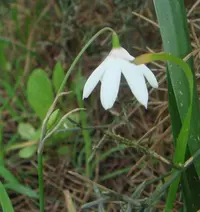
Three-leaved snowflake (Acis trichophylla) is a small bulbous perennial from the amaryllis family, valued for its delicate late-winter to early-spring flowers. It forms fine, grass-like leaves and slender stems topped with nodding white or pale pink bell-shaped blooms that give a light, airy look.

This species is native to the western Mediterranean, where it grows in open, sunny, often rocky habitats with dry summers and mild, wetter winters. It tends to be moderately easy in suitable climates but dislikes heavy, waterlogged soils and very humid, hot summers. Gardeners who understand how to care for Three-leaved Snowflake usually find it reliable in rock gardens, gravel beds, or well-drained containers.

Main Plant Requirements

Care Difficulty

Moderate Care

Light Preference

Full Sun

Water Requirements

Moderate Water

Temperature Preference

Cool Climate

Hardiness Zone

6–9

Soil Texture

Sandy, Loamy, Rocky

Soil pH

Acidic (5.5–6.5), Slightly acidic (6.5–7.0)

Soil Drainage

Well-drained

Fertilization

Minimal (feed rarely)

Get Personalized Care Plan

Scan your plant to receive care tips personalized for your specific plant

Available on iOS and Android

How to Care for the Three-leaved Snowflake

This small bulb prefers bright conditions with gentle sun exposure for reliable flowering.

  • Provide 4–6 hours of sun daily, ideally with morning sun and light afternoon shade to protect the fine foliage.
  • Site Three-leaved Snowflake in open ground or a rock garden where it receives dappled or filtered light during the hottest part of the day.
  • In hot summers, avoid strong mid-afternoon sun, which can scorch leaves, while dense shade will reduce flowering and cause weak, stretched growth.

This bulb needs moisture during active growth but drier soil in summer dormancy.

  • Water when the top 2–4 cm of soil feel dry during the growing season, then allow excess to drain freely to avoid bulb rot.
  • Use sharply drained soil or a gritty mix so Acis trichophylla never sits in standing water, especially in cool weather.
  • Reduce watering sharply or rely on natural rainfall once foliage yellows in late spring, then resume careful watering when new shoots appear.

This species prefers mild winters and cool to warm springs for best growth and flowering.

  • Optimal growth occurs around 45–65°F (7–18°C), with flowers appearing in late winter to early spring under these cool conditions.
  • Bulbs tolerate brief drops to about 20°F (-6°C) if soil drains well, but prolonged freezing or waterlogged cold soil can cause losses.
  • In regions with hot summers above 85°F (29°C), provide a dry, sheltered site during dormancy and avoid reflective heat that bakes the soil.

This bulb tolerates typical indoor humidity and rarely needs special humidity control.

  • Aim for 30–50% humidity, similar to most homes, as long as the potting mix is not allowed to stay wet for long periods.
  • Expect Three-leaved Snowflake foliage to yellow and tips to brown more quickly in very dry, heated rooms, especially if combined with underwatering.
  • Increase humidity slightly, if needed, by grouping pots together or placing a water tray nearby, but prioritize correct watering over major humidity changes.

Acis trichophylla needs sharply drained, light soil to keep its small bulbs from rotting.

  • Use a sandy or gritty loam with high mineral content and modest organic matter to allow fast water movement around the bulbs.
  • Aim for slightly acidic to neutral pH, around 6.0–7.0, which suits most commercial potting substrates when amended with grit or sand.
  • Mix equal parts peat-free potting mix, horticultural sand, and fine grit or perlite to improve aeration and prevent waterlogging around the bulb necks.
  • Avoid heavy clay, compacted ground, or spots where water lingers after rain, as poor drainage quickly leads to bulb and root rot.

This species suits container growing, especially where outdoor drainage is unreliable or winters are wet.

  • Choose a pot at least 20 cm deep so the bulbs can sit with 5–8 cm of soil above them while roots extend downward freely.
  • Select a clay or unglazed ceramic pot if possible, as the porous walls help excess moisture evaporate after winter rain.
  • Raise the container slightly on pot feet or bricks so drainage holes remain clear and water cannot pool under the base.

Acis trichophylla is a small bulb that needs only light feeding to flower well in pots or lean soils.

  • Use a balanced, diluted liquid fertilizer (around 10-10-10 at 1/4–1/2 strength) for container-grown bulbs.
  • Feed once every 4–6 weeks during active growth and flowering in late winter to spring.
  • Avoid fertilizing during summer dormancy; keep bulbs dry and nutrient input minimal.
  • In garden beds with reasonably fertile soil, additional fertilizer is usually unnecessary for caring for Three-leaved Snowflake.

Pruning needs for Acis trichophylla are minimal and mainly focused on cleanliness rather than shaping.

  • Cut back only spent flower stalks at the base once blooms fade, using clean, sharp scissors or snips.
  • Leave green foliage in place until it yellows naturally, as this allows bulbs to recharge for next year.
  • Remove any dead, diseased, or damaged leaves promptly to reduce fungal issues around the bulbs.
  • Avoid cutting healthy leaves or trimming to shape, since this does not improve flowering and weakens the bulbs.

This bulb is usually left undisturbed for several years, with transplanting done only when clumps thicken or flowering declines.

  • Plan to lift and divide clumps every 4–5 years, or when flowering decreases and bulbs crowd the planting area.
  • Transplant in late summer to early autumn, during dormancy, when foliage has completely died back.
  • Gently lift bulbs with a hand fork, keeping roots and basal plate intact to limit stress.
  • Replant at the same depth in well-drained soil, water lightly once, then keep relatively dry until new growth begins.

Propagation of this species is most reliable by bulb division, with seed raising suited to patient growers.

  • Divide mature clumps in late summer dormancy, separating offsets with firm, gentle hands.
  • Replant offsets immediately at the same depth in well-drained, gritty soil, spacing bulbs 5–8 cm apart.
  • For seed, sow fresh seed in pots of sandy mix, barely covered, and keep cool and moist for gradual germination.
  • Label seed containers clearly, as seedlings may take several years to reach flowering size.

This bulb is moderately cold hardy, but some winter care improves survival and flowering in colder climates.

  • In-ground bulbs tolerate light frost but benefit from a 5–8 cm mulch layer in regions with severe freezes.
  • Keep soil well drained in winter, since prolonged cold, wet conditions increase bulb rot risk.
  • Move containers under shelter or into a cool, bright, frost-free area where temperatures stay around 35–45°F.

Care Tips

Bulb-lifting schedule

In colder climates, mark clump locations during flowering, then lift and store the dormant bulbs in dry, airy trays after foliage dies back, replanting them in autumn to reduce winter losses.

Use gravel topdress

Add a 1–2 cm layer of grit or coarse sand over the planting area to keep the narrow necks of the bulbs dry, reduce rot, and discourage moss and liverwort from forming a crust on the soil surface.

Controlled bulb division

Every 3–4 years, gently separate congested clumps while bulbs are dormant, replanting offsets slightly apart to maintain flowering performance and reduce competition for nutrients and space.

Pot orientation planning

When growing in containers, position bulbs closer to the pot rim on one side so the fine leaves can arch naturally over an edge, making flower stems more visible and improving air movement around the neck of the bulbs.

Summer drought management

Once foliage has fully yellowed, move pots under cover or use a simple rain shield outdoors to provide a dry summer rest, which mimics the plant’s natural cycle and supports reliable flowering when caring for Three-leaved Snowflake.

Common Pests and Diseases

Narcissus bulb fly

This pest targets bulbs, where the larvae tunnel inside and eat the tissue, causing weak or missing growth in spring. Symptoms include collapsed leaves, poor flowering, or whole bulbs rotting away from the center.

Solution

Lift suspect bulbs and cut them open to check for larvae; destroy any infested bulbs to prevent spread. In future seasons, replant only firm, healthy bulbs, cover planting areas with fine mesh during the adult flight period in late spring–summer, and avoid leaving old narcissus-type bulbs in the ground as reservoirs.

Slugs and snails

These insects and mollusks chew tender foliage and emerging shoots, especially in cool, damp weather, leaving irregular holes and slime trails. Symptoms include damaged young leaves or complete loss of new growth shortly after emergence.

Solution

Hand-pick slugs and snails in the evening, use beer traps or iron phosphate pellets around emerging bulbs, and keep debris and dense groundcover away from planting areas. Raising pots, using sharp grit as a barrier, and avoiding overwatering the soil surface also reduces damage.

Basal bulb rot

This disease affects the basal plate and lower bulb scales, often after waterlogging or damage, leading to soft, discolored tissue and eventual bulb collapse. Symptoms include yellowing, stunted leaves and bulbs that feel soft or emit an unpleasant odor when lifted.

Solution

Discard any soft or foul-smelling bulbs and do not compost them. Replant only firm bulbs in sharply drained soil or a gritty potting mix, avoid overwatering during dormancy, and provide good air circulation around pots or in raised beds to limit fungal development.

Botrytis leaf blight

This disease is caused by Botrytis fungi, which thrive in cool, damp, poorly ventilated conditions and infect leaves and flowers. Symptoms include water-soaked spots that turn brown or gray, often with a fuzzy gray mold under humid conditions.

Solution

Remove and discard affected leaves and spent flowers as soon as symptoms appear, keeping the area around the bulbs clean. Improve air movement, water at soil level in the morning, avoid wetting foliage, and, in severe or recurrent cases outdoors, use a labeled ornamental bulb fungicide according to local regulations.

Interesting Facts

Winter-flowering bulb

This species naturally flowers in late winter to early spring, often sending up its delicate stalks while many other bulbs are still dormant. The foliage appears alongside or just after the nodding white bells, then dies back completely for the dry summer rest.

Thread-like leaves

The species name trichophylla means hair-leaved and refers to its unusually fine, thread-like leaves. These narrow leaves reduce surface area, which helps the plant cope with dry, sunny Mediterranean habitats.

Mediterranean specialist

It is native to the western Mediterranean region, including parts of Portugal, Spain, and Morocco, where it grows in open, often rocky ground. In its native range it experiences mild, wet winters and hot, dry summers, so it has evolved a marked summer-dormant cycle.

Botan icon

Did you know?

This species was long included in the genus Leucojum until detailed morphological and molecular studies showed clear differences in flower structure and chromosome traits, leading taxonomists to restore it to the separate genus Acis in the early 2000s.

FAQs about Three-leaved Snowflake

This bulb usually flowers in late winter to very early spring, often before many other garden plants. Blooming typically lasts 2–4 weeks, depending on temperature, soil moisture, and how sheltered the site is from harsh weather.

Grow Healthy Plants with Botan Care

Keep your plants happy and healthy with plant identification, disease detection, and easy care guidance.

Botan plant care app — identify plants on mobile

Explore More Plants