Pineapple Lily Care (Eucomis comosa 'Sparkling Burgundy')

Also known as: Variegated Pineapple Flower
Pineapple Lily

About Pineapple Lily

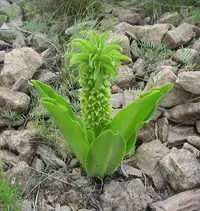
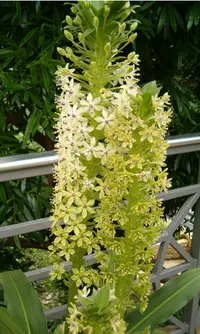
Eucomis comosa 'Sparkling Burgundy' is a bulbous flowering plant grown for its dramatic burgundy foliage and unusual flower spikes that resemble a small pineapple. It forms a low rosette of strap-shaped leaves, topped in summer by sturdy stems with dense columns of starry flowers and a leafy crown.

This cultivar comes from a genus native to southern Africa, where it grows in open, sunny, seasonally moist habitats. It is generally straightforward to grow if its bulb is kept well drained, protected from hard frost, and allowed a dry rest after flowering. In gardens and containers, understanding how to care for Pineapple Lily starts with providing bright light, moderate water, and loose, well-drained soil.

Main Plant Requirements

Care Difficulty

Moderate Care

Light Preference

Full Sun

Water Requirements

Moderate Water

Temperature Preference

Warm Climate

Hardiness Zone

7–10

Soil Texture

Sandy, Loamy, Organic-rich

Soil pH

Acidic (5.5–6.5), Slightly acidic (6.5–7.0)

Soil Drainage

Moist but well-drained

Fertilization

Light (every 4–6 weeks)

Get Personalized Care Plan

Scan your plant to receive care tips personalized for your specific plant

Available on iOS and Android

How to Care for the Pineapple Lily

This bulb prefers strong light to develop its deep burgundy foliage and sturdy flower spikes.

  • Provide 6–8 hours of sun daily; full morning sun with light afternoon shade suits Pineapple Lily in most climates.
  • In hot regions, protect from intense sun between 1–4 p.m. with partial shade or filtered light to prevent leaf scorch.
  • In spring, increase sun exposure gradually; after flowering, it still needs at least 4–5 hours of direct sun to recharge the bulb.

This bulb likes steady moisture in the growing season but is sensitive to waterlogged soil.

  • From leaf emergence to early fall, water when the top 3–5 cm of soil feels dry, aiming for evenly moist but not soggy soil around Eucomis comosa 'Sparkling Burgundy'.
  • Use well-drained soil or raised beds; puddling for more than 30 minutes after watering signals poor drainage and higher rot risk.
  • Reduce watering sharply once foliage yellows and dies back, keeping soil just barely moist or almost dry during dormancy.

This species grows best in warm conditions and needs protection from hard frost.

  • Active growth is strongest at 65–80°F (18–27°C); flowering and foliage color are most reliable in this range.
  • The bulbs tolerate brief dips to about 25°F (-4°C) if soil is well drained and mulched, but repeated freezes below this can kill them.
  • In hot summers above 90°F (32°C), provide mulch and some afternoon shade to keep soil cooler and reduce heat stress.

Humidity is a minor factor for Eucomis comosa 'Sparkling Burgundy', which adapts well to typical indoor and outdoor household levels.

  • Target 30–50% humidity; Pineapple Lily tolerates typical heated or air-conditioned homes without special measures.
  • Slight leaf tip browning and crispy edges during very dry spells indicate low-humidity or drought stress rather than a separate humidity issue.
  • Increase humidity only in very dry climates by grouping pots together or placing trays of water and pebbles nearby, without soaking the pot base.

Eucomis comosa 'Sparkling Burgundy' prefers a loose, airy, sharply draining mix that keeps the bulb from staying wet for long periods.

  • Use a gritty, sandy loam with 30–50% mineral material such as coarse sand, perlite, or fine gravel to prevent waterlogging around the bulb.
  • In containers, combine 2 parts peat- or coir-based potting mix with 1 part perlite or pumice and 1 part coarse sand for structure and drainage.
  • Aim for slightly acidic to neutral pH (6.0–7.0), avoiding highly alkaline mixes that can reduce nutrient availability and cause leaf yellowing.
  • Avoid heavy clay, compacted, or water-retentive mixes; if existing soil is dense, lighten it with coarse amendments before planting.

This species is well suited to container growing, especially in cooler regions where bulbs need winter protection.

  • Choose a pot at least 25–30 cm deep to allow vertical root growth and to anchor the tall flower spikes securely.
  • Select a heavy terracotta or ceramic container in windy sites so the tall flowering stems do not tip the pot over.
  • Raise the container on feet or pot risers so excess water drains quickly and does not pool under the base after rain or watering.

This bulb benefits from moderate, focused feeding during its active growing season for reliable flowering and foliage color in Pineapple Lily indoor care.

  • Use a balanced liquid fertilizer (around 10-10-10 or 20-20-20) diluted to 1/2 strength every 2–3 weeks from leaf emergence until flowering finishes.
  • Alternatively, mix a slow-release balanced granular fertilizer into the topsoil at the start of spring growth.
  • Stop feeding once foliage begins to yellow and the plant enters dormancy, usually in late summer or fall.
  • Avoid high-nitrogen products, which can produce soft foliage at the expense of sturdy flower spikes.

Pruning needs for Eucomis comosa 'Sparkling Burgundy' are simple and focus on cleanliness and bulb health rather than shaping.

  • In late fall or after the first frost, cut back collapsed or yellowed foliage at the base using clean, sharp pruners.
  • Deadhead spent flower spikes at the base once they fade to conserve energy in the bulb, unless seed is desired.
  • Remove any damaged, diseased, or mushy tissue promptly during the season to limit rot and improve air flow.
  • Disinfect blades with alcohol between plants to reduce the spread of fungal or bacterial issues.

Container-grown bulbs appreciate occasional transplanting to maintain vigor and prevent overcrowding in the potting mix.

  • Check for roots circling the pot, crowded bulbs, or reduced flowering as signs that Eucomis comosa 'Sparkling Burgundy' needs a larger container.
  • Plan repotting for late winter to early spring, just before new growth starts, typically every 3–4 years.
  • Gently lift bulbs, separate offsets, and place them in fresh, well-drained mix, setting bulbs with the neck just at or slightly above soil level.
  • Water lightly after repotting, keep in bright but indirect light for 1–2 weeks, and avoid waterlogging to limit transplant shock.

This cultivar is most reliably propagated by bulb division, with seed used mainly for breeding or experimentation.

  • Lift clumps in late winter or early spring while dormant, then separate firm, healthy offsets from the mother bulb by hand.
  • Replant offsets into well-drained, gritty mix, placing bulbs at the same depth as previously and spacing them to allow future expansion.
  • Keep soil just lightly moist and provide bright, indirect light until strong new shoots appear and growth speeds up.
  • For seed, sow fresh in a free-draining mix at 65–70°F, expect slow development, and note that seedlings may not come true to type.

Cold sensitivity means this bulb requires thoughtful winter handling in regions with freezing temperatures.

  • In mild climates (roughly USDA zones 8–9), allow foliage to die back, then mulch the bulb area with 5–8 cm of dry organic material.
  • In colder zones, lift bulbs after foliage yellows, dry them, and store in a cool, frost-free place at around 40–50°F.
  • For containers, move pots indoors to a bright, cool, dry spot before hard frosts, watering just enough to keep bulbs from shriveling.

Care Tips

Bulb lifting schedule

In cold climates below USDA zone 7, mark planting spots and lift bulbs after foliage dies back, then store them in a dry, airy medium like barely moist peat or vermiculite at 40–50°F to keep them viable for next season.

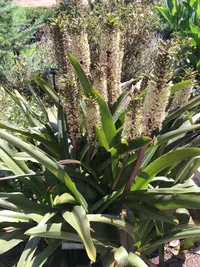
Staking flower spikes

Insert discreet, slim stakes when the flower spikes are only 10–15 cm tall and loosely tie them with soft ties, which prevents wind damage and leaning once the heavy flower heads fully develop.

Container heat management

For plants in dark containers, double-pot them by placing the decorative pot inside a slightly larger light-colored outer pot or cachepot to reduce root-zone overheating during intense summer sun.

Targeted deadheading

After flowering, cut off spent flower spikes at the base without removing healthy leaves, which stops unwanted self-seeding and ensures the bulb keeps using its foliage to recharge for next year.

Seasonal clump renovation

Every 3–4 years, divide overcrowded clumps in late summer or early fall after foliage decline, replanting only firm, healthy bulbs, which maintains strong flowering performance when growing Pineapple Lily long term.

Common Pests and Diseases

Bulb mites

This pest attacks stored or in-ground bulbs, feeding on the basal plate and scales and creating soft, corky or brown patches. Symptoms include poor sprouting, weak growth, and bulbs that feel spongy or show fine brown dust-like frass when inspected.

Solution

Discard badly infested bulbs, and gently scrub salvageable bulbs under a stream of lukewarm water, then dry thoroughly before replanting. For future growing Pineapple Lily, avoid storing bulbs in damp conditions, use fresh, sterile potting mix, rotate out old organic debris, and consider a labeled miticidal soak or sulfur dust on dormant bulbs if infestations recur.

Eucomis mosaic virus

This disease causes mottled, streaked, or banded patterns on leaves and sometimes distorted flower spikes, while overall growth may be stunted. Symptoms include irregular light and dark green patches that do not follow the veins.

Solution

Remove and destroy symptomatic plants and bulbs, since virus infections cannot be cured. Control sap-sucking insects such as aphids, disinfect cutting tools with 70% alcohol between plants, and avoid reusing potting mix or bulbs from infected stock to prevent further spread.

Slugs and snails

These pests chew irregular holes in the fleshy leaves and flower stalks, often leaving slime trails on or around the plant. Damage is typically worse on young shoots and in damp, shaded conditions or in container-grown plants standing on the ground.

Solution

Hand-pick slugs and snails in the evening, use copper tape or raised pot feet around containers, and remove hiding places such as boards or dense ground debris. If pressure is high, deploy iron phosphate or other low-toxicity slug pellets placed away from direct contact with bulbs and stems.

Mealybugs

These insects suck sap from leaves and flower stems and hide in leaf bases and around the bulbs, weakening the plant over time. Symptoms include white cottony clusters, sticky honeydew, and occasionally sooty mold on affected tissues.

Solution

Isolate infested plants, then dab visible insects with cotton swabs dipped in 70% isopropyl alcohol or wash stems and leaf bases with a mild soapy water solution, keeping soap off the soil. Repeat treatments weekly until no new insects appear and, for persistent indoor infestations, apply a labeled systemic insecticide to the potting mix during active growth.

Interesting Facts

Color-changing foliage

The leaves of this cultivar emerge bright green, then develop deep burgundy to purple tones as light intensity increases, due to higher concentrations of anthocyanin pigments that help protect tissues from strong sun.

Matching burgundy stems

Unlike many other Eucomis cultivars, this plant produces thick flower stalks and leaf midribs that echo the dark burgundy foliage, creating a strong visual contrast with its pale, star-shaped flowers.

Bred for ornamental color

Sparkling Burgundy was selected specifically for its unusually dark, long-lasting foliage color rather than only for its flowers, which makes it valued in ornamental breeding as a foliage accent as much as a flowering bulb.

Botan icon

Did you know?

In cooler climates, this cultivar is often lifted and stored as a dormant bulb over winter, and it can resprout each year from its large, pineapple-like bulb structure while maintaining its distinctive burgundy coloration season after season.

FAQs about Pineapple Lily

Lack of flowering usually comes from insufficient light, a bulb that is still immature, overcrowded bulbs, or nutrient imbalance. Allow foliage to mature fully each season so the bulb stores enough energy for next year’s flower spikes.

Grow Healthy Plants with Botan Care

Keep your plants happy and healthy with plant identification, disease detection, and easy care guidance.

Botan plant care app — identify plants on mobile

Explore More Plants