Giant Pineapple Lily Care (Eucomis pallidiflora)

Giant Pineapple Lily

About Giant Pineapple Lily

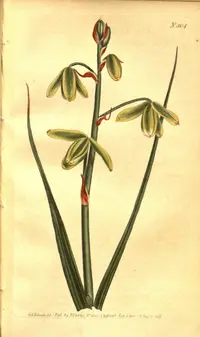
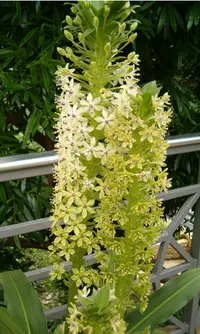
Giant pineapple lily, Eucomis pallidiflora, is a bulbous perennial known for its tall flower spikes topped with a rosette of leaf-like bracts that resemble a pineapple. It forms a clump of broad, strap-shaped leaves at the base.

This species comes from high-altitude grasslands in southern Africa, where it experiences cool, moist summers and dry winters. Its bold size and striking flower stalks make it a strong focal plant in containers or mixed borders.

With a distinct seasonal cycle and a resting period after flowering, it is moderately easy to grow if its need for good drainage and a dry winter rest is respected. Gardeners who learn how to care for Giant Pineapple Lily usually find it reliable and long-lived.

Main Plant Requirements

Care Difficulty

Moderate Care

Light Preference

Full Sun

Water Requirements

Moderate Water

Temperature Preference

Warm Climate

Hardiness Zone

7–10

Soil Texture

Sandy, Loamy, Organic-rich

Soil pH

Acidic (5.5–6.5), Slightly acidic (6.5–7.0)

Soil Drainage

Moist but well-drained

Fertilization

Light (every 4–6 weeks)

Get Personalized Care Plan

Scan your plant to receive care tips personalized for your specific plant

Available on iOS and Android

How to Care for the Giant Pineapple Lily

Eucomis pallidiflora grows best with bright, stable light through the active season.

  • Provide 6–8 hours of sun daily, ideally with full morning sun and light afternoon shade, especially in hot summer regions.
  • Tolerates light or dappled shade, but flowering and compact growth decline if it receives less than about 4–5 hours of direct light.
  • In very intense midday sun, leaves of Giant Pineapple Lily may scorch; use filtered light or nearby taller plants to provide partial shade in midsummer.

Watering should support steady growth while protecting the bulb from prolonged saturation.

  • During active growth, water when the top 3–5 cm of soil feels dry, allowing moisture to reach the root zone but not leave the soil soggy.
  • Use sharply drained soil; yellowing, soft leaves or a foul smell from the bulb suggest overwatering, while drooping, thin leaves indicate underwatering.
  • Reduce watering sharply once foliage starts to yellow in late season, then keep the soil barely moist to almost dry while the bulb is dormant, especially in cool climates.

This species prefers warm growing conditions and does poorly in prolonged cold or frost.

  • For strong growth and flowering, aim for 65–80°F (18–27°C) during the day and slightly cooler nights.
  • The bulbs are damaged by hard frost; protect or lift them if winter temperatures drop below about 25°F (-4°C), especially in wet soils.
  • In hot climates with summer highs above 90°F (32°C), provide some afternoon shade and consistent moisture so the plant does not overheat and stall growth.

Eucomis pallidiflora handles typical indoor humidity but benefits from slightly moist air in heated homes.

  • Aim for 40–60% humidity, which suits Giant Pineapple Lily without encouraging rot around the bulb.
  • It tolerates moderately dry air, but very dry heated rooms can cause leaf tips to brown and edges to curl.
  • Increase humidity locally with a pebble tray or grouping plants, but avoid misting the flower spike to reduce fungal issues.

Eucomis pallidiflora grows best in loose, airy, sharply drained soil that still retains moderate moisture.

  • Use a mix of roughly 50–60% loam-based potting soil with 20–30% coarse sand and 20–30% perlite or fine grit for drainage.
  • Aim for slightly acidic to neutral pH, around 6.0–7.0, which supports nutrient availability without stressing the bulb.
  • Incorporate a thin layer of compost or well-rotted bark near the surface, not burying the bulb too deeply, to improve structure.
  • Avoid heavy clay, compacted mixes, or waterlogged sites, which quickly lead to bulb rot and weak growth.

This species is very suitable for container growing, especially in cooler climates where bulbs need winter protection.

  • Choose a wide, heavy pot that resists tipping, since tall flower spikes make the plant top-heavy in wind.
  • Select a container at least 25–30 cm deep so the bulb sits with several centimeters of mix beneath it for root anchorage.
  • Use a fast-draining mix over a drainage-layer-free base, relying instead on ample holes so water exits quickly without perched water at the bottom.

Eucomis pallidiflora benefits from moderate feeding during active growth but does not need heavy fertilization.

  • Use a balanced, water-soluble fertilizer (around 10-10-10 or 20-20-20) diluted to 1/2 strength for Giant Pineapple Lily.
  • Feed every 3–4 weeks from spring sprouting through late summer, when foliage is in full growth.
  • Alternatively, apply a light layer of compost or a slow-release bulb fertilizer at the start of the growing season.
  • Stop feeding as leaves yellow and the plant enters dormancy in fall and winter.

Eucomis pallidiflora requires light pruning focused on cleanliness rather than shaping.

  • In late fall or after the first frost, cut back completely yellowed or collapsed foliage at the base using clean, sharp pruners.
  • During the growing season, remove spent flower spikes to keep the plant tidy and reduce energy use on seed production.
  • Trim only dead, damaged, or diseased leaves; leave healthy foliage to support bulb growth.
  • Disinfect blades before and after use to reduce the spread of fungal or bacterial problems.

This bulbous plant prefers infrequent disturbance, so repotting or transplanting should be done only when clearly needed.

  • Plan to repot or lift and divide clumps every 3–4 years, ideally in late winter or early spring before new growth starts.
  • Look for roots circling the pot, crowded bulbs, or reduced flowering as signs Eucomis pallidiflora needs more space.
  • Use a free-draining mix, replant bulbs at the same depth, and water lightly after moving to settle soil without waterlogging.
  • Handle bulbs gently, keep roots shaded and moist during the move, and avoid fertilizing for 2–3 weeks to limit stress.

Eucomis pallidiflora is commonly propagated by division and sometimes from seed for larger numbers of plants.

  • Divide mature bulb clumps in late winter or early spring while dormant, separating offsets with a clean, sharp knife.
  • Replant divisions into well-drained soil, placing bulbs so the neck sits just below the surface, and water lightly until growth appears.
  • For seed, sow fresh seed in a gritty mix at 65–70°F, keeping evenly moist and patient, as germination may be slow.
  • Grow seedlings on in small pots for 2–3 years before planting out, since flowering usually starts only once bulbs reach good size.

Eucomis pallidiflora needs some winter attention in cooler climates, especially when grown in containers or marginal zones.

  • In mild regions (around USDA 8–9), bulbs usually overwinter in the ground if soil drains well and does not stay waterlogged.
  • After frost blackens foliage, cut stems back and add a 5–8 cm mulch layer to insulate the root zone in colder sites.
  • In areas below about 15°F or in very wet winters, lift bulbs after foliage dies, dry briefly, and store cool and dry.
  • Move container plants indoors to a frost-free, bright but cool place, watering only enough to keep bulbs from shriveling.

Care Tips

Stake Flower Spikes

Insert a thin, unobtrusive stake beside each emerging flower spike and tie it loosely with soft ties to prevent wind or heavy blooms from bending or snapping the stem.

Lift Bulbs For Storage

In colder climates below USDA zone 8, dig up the bulbs after foliage has fully yellowed, dry them for 7–10 days in a shaded, airy place, then store in dry peat or vermiculite at 40–50°F until replanting.

Divide Crowded Clumps

Every 3–4 years, lift and divide congested bulbs in late fall or very early spring, replanting only firm, healthy bulbs to maintain strong flowering and reduce disease buildup.

Use Grit Topdressing

Apply a 1–2 cm layer of horticultural grit or coarse sand around the bulb necks to keep them slightly exposed, improve drainage at the crown, and reduce rot in wet spells.

Monitor Post-Bloom Nutrition

After flowering, leave foliage intact for at least 6–8 weeks and apply a light, balanced feed so the leaves can replenish bulb energy, which is key for reliable blooming when caring for Giant Pineapple Lily.

Common Pests and Diseases

Narcissus bulb fly

This pest targets Eucomis bulbs, with larvae tunneling into the bulb tissue and causing weak, stunted growth or sudden collapse of the plant. Symptoms include yellowing foliage, poor flowering, and soft, rotting bulbs when lifted.

Solution

Inspect bulbs before planting and discard any that feel light, hollow, or show entry holes. In affected beds, lift and destroy infested bulbs, practice rotation by not replanting Eucomis or related bulbs in the same spot for several years, and use fine mesh or fleece over emerging shoots in spring to reduce egg-laying on outdoor clumps.

Mealybugs

These insects feed on sap and cluster in leaf axils and along flower stems, leaving white cottony deposits. Symptoms include distorted growth, sticky honeydew, and sooty mold development on the foliage.

Solution

Wipe colonies with cotton swabs dipped in 70% isopropyl alcohol and rinse the plant with a firm stream of lukewarm water, taking care not to damage the fleshy leaves. For larger infestations, apply a horticultural soap or a ready-to-use systemic insecticide labeled for ornamental bulbs, and isolate affected plants grown in pots to prevent spread to nearby succulents or houseplants, which supports effective Eucomis pallidiflora plant care.

Bulb scale mites

These pests live between bulb scales and in old basal plate tissue, often entering through previous damage or storage wounds. Symptoms include slow emergence, weak or deformed flower spikes, and bulbs that feel corky or show brown, dust-like mite colonies when peeled open.

Solution

Discard heavily infested bulbs and avoid reusing old, infested potting mix or bulb crates. For mild cases, trim away damaged outer scales, allow cut surfaces to dry, then dust bulbs lightly with a sulfur-based bulb treatment or plant into fresh, well-drained medium and store or grow them in cool, dry conditions that do not favor mite buildup.

Basal plate rot

This disease affects the base of the bulb where roots form, usually under cool, wet conditions or in poorly drained soil. Symptoms include failure to sprout, yellowing and collapse of leaves from the base, and a soft, brown, foul-smelling basal plate.

Solution

Remove and destroy any affected bulbs and do not compost them. Improve drainage by planting in raised beds or sharply drained pots, use clean, sterile medium, avoid overwatering during cool periods, and dip healthy bulbs in a labeled fungicidal bulb treatment before storage or replanting in previously affected areas.

Leaf spot

This disease causes small, water-soaked lesions that enlarge into brown or tan spots with darker margins on the fleshy leaves. Symptoms include cosmetic damage, premature leaf yellowing, and in severe cases reduced vigor and flowering in the following season because of reduced photosynthesis.

Solution

Remove and discard affected leaves as soon as spots are noticed, keeping foliage dry as much as possible by watering at soil level in the morning. Improve airflow around plants, avoid overhead watering in the evening, and if the problem recurs each season, apply a preventative ornamental-fungicide spray labeled for leaf spots on bulbs when new foliage first emerges.

Interesting Facts

Giant of the genus

This species is the largest naturally occurring Eucomis, with flower stalks that can reach well over 1 m, towering above most related pineapple lilies in its native habitat of South Africa and Lesotho.

Cool‑season bloomer

In its native montane grasslands, it sends up its tall flower spikes in midsummer when nights remain relatively cool, showing an adaptation to high-altitude climates rather than the hotter lowlands.

Fly‑friendly fragrance

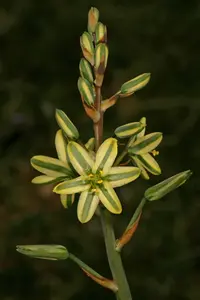
The dense columns of small, pale greenish flowers emit a slightly sour, musky scent that is attractive to flies and other insects, which act as the main pollinators for this species.

Botan icon

Did you know?

The bulbs of this species can sit partially exposed at the soil surface in the wild, with their upper portions tolerating brief light frosts and strong sun, an adaptation that helps them survive in seasonally cold, open grasslands where soil can be shallow and stony.

FAQs about Giant Pineapple Lily

Lack of flowering often comes from insufficient light, a bulb that is too small or young, overcrowded clumps, or poor nutrient reserves. Allow full dormancy, avoid overwatering in winter, and feed lightly in spring to support bud formation.

Grow Healthy Plants with Botan Care

Keep your plants happy and healthy with plant identification, disease detection, and easy care guidance.

Botan plant care app — identify plants on mobile

Explore More Plants