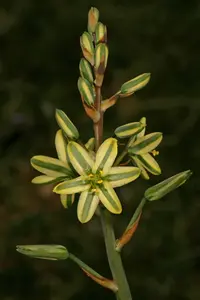
Soldier-in-a-box Care (Albuca canadensis)

Also known as: Gambry, Soldier-In-The-Box
Soldier-in-a-box

About Soldier-in-a-box

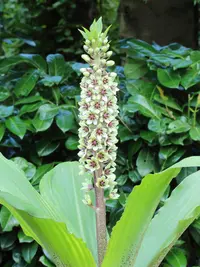
Soldier-in-a-box (Albuca canadensis) is a small bulb-forming perennial from South Africa, known for its narrow, often curling leaves and upright flower spikes. It grows from an underground bulb and tends to rest in summer, then produce fresh foliage and starry flowers in the cooler growing season.

In nature it occurs in open, sunny, rocky areas with fast-draining, sandy soils. Its main traits are drought tolerance during dormancy and sensitivity to excess moisture around the bulb. These features make it easy to grow in pots if watering is controlled and the soil drains very well.

Understanding its seasonal rhythm is key to how to care for Soldier-in-a-box, especially balancing bright light, moderate watering in growth, and much drier conditions in rest periods.

Main Plant Requirements

Care Difficulty

Moderate Care

Light Preference

Full Sun

Water Requirements

Low Water

Temperature Preference

Warm Climate

Hardiness Zone

9–11

Soil Texture

Sandy, Loamy, Rocky

Soil pH

Acidic (5.5–6.5), Slightly acidic (6.5–7.0)

Soil Drainage

Well-drained

Fertilization

Minimal (feed rarely)

Get Personalized Care Plan

Scan your plant to receive care tips personalized for your specific plant

Available on iOS and Android

How to Care for the Soldier-in-a-box

Albuca canadensis grows best with bright, direct light during its active season.

  • Provide 4–6 hours of direct morning sun or mild afternoon sun, with bright filtered light for the rest of the day in most climates.
  • Plant in a spot with light, open shade in hot regions to prevent leaf scorch and yellowing from harsh midafternoon sun.
  • If grown as Soldier-in-a-box indoors, use a south- or west-facing window or strong grow light to avoid stretched, floppy growth.

Albuca canadensis prefers careful, seasonal watering that matches its bulb growth cycle.

  • During active growth, water when the top 3–5 cm of soil are dry, then soak thoroughly, allowing excess to drain away.
  • Use very well-drained, gritty soil so bulbs never sit in water; soft, collapsing bulbs or a sour smell indicate overwatering.
  • Reduce or stop watering in summer dormancy when leaves dry back, resuming only once new shoots appear and soil is almost fully dry.

This bulb favors mild, Mediterranean-type conditions with cool, bright winters and dry summers.

  • Aim for 55–70°F (13–21°C) during active growth; consistent cool, bright conditions support compact, healthy foliage.
  • Protect from frost; growth is damaged near 32°F (0°C), and bulbs are safest kept above 35–40°F (2–4°C) in winter.
  • In hot summers above 85–90°F (29–32°C), allow a drier rest period and provide light shade to prevent heat stress and leaf scorch.

Albuca canadensis handles typical indoor humidity well, so moisture in the air is rarely a limiting factor for Soldier-in-a-box.

Albuca canadensis needs a sharply draining, mineral-based mix that dries quickly around its bulb.

  • Use a sandy or gritty mix, such as 50–60% cactus potting mix blended with coarse sand or fine gravel.
  • Add 20–30% perlite or pumice to increase aeration and prevent water from sitting around the roots.
  • Aim for slightly acidic to neutral pH, roughly 6.0–7.0, which most commercial cactus mixes already provide.
  • Avoid dense, peat-heavy or water-retentive mixes that stay wet for more than 2–3 days after watering.

This bulb is well suited to container culture when drainage and depth are managed carefully.

  • Choose a pot only 5–8 cm wider than the bulb cluster so the mix dries evenly and does not stay cold and wet.
  • Prefer a deeper container rather than a shallow bowl to allow the contractile roots to grow downward without curling tightly.
  • Use unglazed terracotta if extra evaporation is needed in humid or cool climates, as it helps reduce prolonged moisture around the bulb.

Albuca canadensis benefits from light feeding during its active growth but dislikes heavy or constant fertilization.

  • Use a balanced liquid fertilizer (around 10-10-10) at 1/4–1/2 strength every 4–6 weeks in the growing season to support healthy foliage of Soldier-in-a-box.
  • Choose either diluted synthetic fertilizer or a small amount of fine compost; avoid rich, heavy mixes that stay wet.
  • Stop feeding when foliage begins to yellow and the bulb enters dormancy, typically in summer or hottest weather.
  • Always water lightly before applying fertilizer to reduce root burn risk and keep the bulb tissue safe.

Pruning Albuca canadensis is minimal and mainly helps maintain a clean, healthy bulb and tidy appearance.

  • Cut away yellowing or fully dry leaves at the base using clean, sharp scissors to limit disease entry points.
  • Remove any soft, damaged, or rotten tissue around the bulb as soon as seen to prevent rot spread.
  • Allow green foliage to remain until it naturally fades, since these leaves feed the bulb for next season’s growth.
  • During dormancy, gently clear away spent leaves and old flower stalks without disturbing the firm bulb.

This bulb prefers to stay slightly snug in its pot, so repotting should be infrequent and deliberately gentle.

  • Plan to repot only every 2–3 years or when roots circle the pot, growth stalls, or the bulb mass becomes crowded.
  • Carry out repotting just before the active growing season, using a fast-draining, sandy mix in a pot with drainage holes.
  • Handle bulbs carefully, keeping dry outer scales intact, and avoid breaking fleshy roots to reduce transplant shock.
  • After repotting, water lightly once, then let the mix almost dry before normal watering resumes, monitoring for signs of stress.

Albuca canadensis is commonly propagated by offsets and by seed when flowers are successfully pollinated.

  • Divide bulb offsets at the start of the growing season, separating firm small bulbs from the parent and replanting at the same depth.
  • Use a gritty, well-drained mix and keep it just slightly moist to encourage quick rooting of newly separated offsets.
  • For seed, sow fresh seed on the surface of a sandy mix, barely cover, and keep at 65–75°F in bright, indirect light.
  • Maintain gentle, even moisture until seedlings emerge, then thin and grow on in individual small pots.

This species prefers mild, frost-free winters and needs protection in colder climates, especially in containers.

  • In USDA zones colder than 9, grow bulbs in pots and move them indoors to a bright, cool, frost-free spot for winter.
  • If planted outdoors in mild areas, add a light mulch over the soil to buffer temperature swings around the bulbs.
  • Avoid waterlogged soil in winter by using fast-draining media and reducing watering while the plant is dormant.

Care Tips

Mark Dormancy Period

Label the pot with expected dormancy months and reduce attention during leaf dieback so you do not mistakenly discard the bulb when it looks inactive.

Rotate For Even Growth

Turn the pot 90° every 7–10 days during active growth so the leaf rosettes develop symmetrically and do not lean strongly toward the light source.

Use Inert Topdressing

Apply a thin layer of coarse grit or small pebbles on the soil surface to keep the bulb neck dry, limit fungus gnat breeding, and give better visibility of new offsets.

Lift And Divide Bulbs

Every 2–3 years, gently unpot, separate crowded offsets by hand, and replant them with only the top of each bulb exposed to maintain vigor and increase the number of plants.

Seasonal Rest Storage

If the plant is kept very dry during dormancy, move the pot to a bright, cool, airy place away from strong sun and heat sources to prevent the bulbs from shriveling or rotting while resting.

Common Pests and Diseases

Narcissus bulb fly

This pest targets Albuca and related bulbous plants by laying eggs on or near the bulbs; larvae then tunnel inside and feed on bulb tissue, causing collapse of foliage and weak or absent regrowth.

Solution

Discard any soft, foul-smelling, or hollow bulbs and do not compost them. In outdoor plantings, cover soil around bulbs with fine mesh in spring to prevent egg laying, inspect bulbs when dormant, and keep bulbs in a cool, dry, well-ventilated place to reduce attraction to flies.

Bulb mealybugs

These insects hide between bulb scales and in the root zone, sucking sap and weakening the plant, often leading to poor growth and yellowing foliage.

Solution

When bulbs are dormant, lift and inspect them, discarding heavily infested material and gently scrubbing remaining bulbs with a soft brush in soapy water before drying thoroughly. For potted plants, unpot, wash off old soil, repot into fresh sterile mix, and use repeated applications of insecticidal soap or horticultural oil directed at the bulb neck and soil surface.

Aphids

These insects may cluster on young Albuca leaves and flower stalks, sucking sap and causing distortion, sticky honeydew, and sooty mold growth on surfaces.

Solution

Rinse foliage with a firm stream of lukewarm water, then spot-treat colonies with insecticidal soap or a light horticultural oil, making sure to coat leaf bases and undersides. Reduce excess nitrogen fertilization that encourages soft, aphid-prone growth and improve air movement around the plant.

Basal bulb rot

This disease affects the basal plate and lower bulb scales, often after prolonged soil moisture, leading to soft, discolored tissue and foliage that yellows and collapses during the active season.

Solution

Remove and discard any affected bulbs and surrounding soil, then allow remaining healthy bulbs to dry in a warm, airy spot before replanting in a very well-draining mix or raised bed. Water sparingly during growth, never let pots sit in water, and keep dormant bulbs dry and cool to support long-term Albuca canadensis care.

Interesting Facts

Coastal sand specialist

This species is naturally found on sandy slopes and coastal flats of South Africa, where its bulb anchors it in loose, shifting soils and tolerates seasonal dryness.

Fragrant nodding flowers

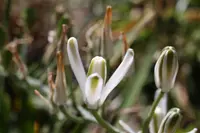
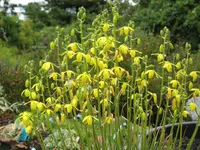
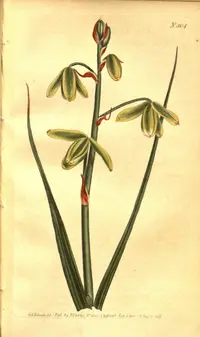
It produces drooping, bell-shaped white to pale yellow flowers with green stripes that are lightly scented, an adaptation that likely helps attract specific insect pollinators close to the ground.

Seasonal growth rhythm

In its native winter-rainfall climate, this plant grows actively in the cooler, wetter months and becomes partially dormant in the hot, dry season, storing resources in its underground bulb.

Botan icon

Did you know?

In parts of South Africa, this species is one of the earlier blooming geophytes after seasonal rains, contributing to the short-lived but striking bulb displays that characterize the region’s winter and spring flora.

FAQs about Soldier-in-a-box

Lack of flowering often comes from insufficient cool rest, keeping the soil too wet in dormancy, or low light during active growth. Allow a dry, cool rest period and resume watering only when new growth appears.

Grow Healthy Plants with Botan Care

Keep your plants happy and healthy with plant identification, disease detection, and easy care guidance.

Botan plant care app — identify plants on mobile

Explore More Plants