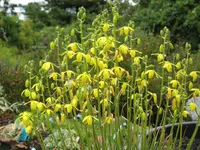
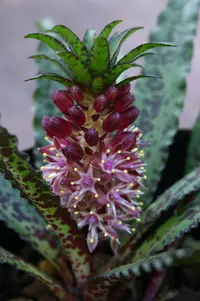
Nelson's slime lily Care (Albuca nelsonii)

Nelson's slime lily

About Nelson's slime lily

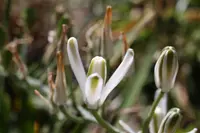
Nelson's slime lily, Albuca nelsonii, is a bulbous perennial from South Africa, valued for its clumps of strappy green leaves and tall flower stalks. The white, star-shaped flowers often appear in loose clusters above the foliage.

In its native habitat it grows on rocky slopes and grasslands, where soils drain quickly and summer rainfall is common. This background explains its preference for bright light, moderate moisture, and airy, well-drained soil.

It is generally considered a durable plant, but it dislikes waterlogged conditions and very deep shade. Understanding these simple traits helps clarify how to care for Nelson's slime lily in home gardens or containers.

Main Plant Requirements

Care Difficulty

Moderate Care

Light Preference

Full Sun

Water Requirements

Moderate Water

Temperature Preference

Warm Climate

Hardiness Zone

8–10

Soil Texture

Sandy, Loamy, Organic-rich

Soil pH

Slightly acidic (6.5–7.0), Neutral (7.0)

Soil Drainage

Well-drained

Fertilization

Light (every 4–6 weeks)

Get Personalized Care Plan

Scan your plant to receive care tips personalized for your specific plant

Available on iOS and Android

How to Care for the Nelson's slime lily

This bulb needs bright outdoor light with some protection from intense midday sun.

  • Provide 4–6 hours of direct morning sun, then bright filtered light or light shade in the afternoon, especially in hot summer climates.
  • Plant in a position with open sky above but some protection from harsh west-facing exposure to reduce leaf scorch and faded foliage on Nelson's slime lily.
  • In cooler seasons, allow more direct sun to keep growth compact; in hot regions, increase light shade in midsummer to prevent stressed, yellowing leaves.

This species prefers a distinct wet-growing and dry-rest cycle.

  • During active growth, water only when the top 3–5 cm of soil are dry, soaking the root zone once and then letting excess drain away completely.
  • Use sharply drained, gritty soil on a slope or raised area so water never stands around the bulbs, which are prone to rot if soil stays wet.
  • In summer dormancy, reduce watering sharply, giving just enough to prevent complete shriveling; pale, limp leaves usually indicate underwatering, while mushy bulbs signal overwatering.

This bulb is adapted to mild climates with warm days and cool, frost-free nights.

  • Aim for active growth temperatures around 65–80°F (18–27°C), which support strong foliage and flower development.
  • Protect the plant from temperatures below 28–30°F (-2 to -1°C); repeated or hard freezes can damage bulbs and new shoots.
  • In hotter regions, it tolerates short periods up to 90–95°F (32–35°C) if soil is not waterlogged and the roots are mulched to keep them slightly cooler.

Humidity is rarely critical for Albuca nelsonii, which thrives in typical indoor air.

  • Target 30–50% humidity; the plant tolerates drier air better than prolonged damp, stagnant conditions.
  • Brown leaf tips and slowed growth in otherwise correct light and watering usually indicate air that is too dry or heat-stressed.
  • If air is extremely dry, raise humidity slightly with a nearby pebble tray or grouping plants, but avoid misting Nelson's slime lily foliage.

Albuca nelsonii prefers sharply drained, airy soil that mimics its rocky native habitat.

  • Use a sandy, gritty mix such as 50% cactus mix combined with 25% coarse sand and 25% pumice or perlite for strong drainage.
  • Aim for slightly acidic to neutral pH around 6.0–7.0, avoiding heavy clay or peat-heavy blends that stay wet for long periods.
  • Incorporate a small portion of compost or leaf mold to provide nutrients without sacrificing aeration or fast water movement.
  • Avoid compacted or waterlogged soil conditions, which promote bulb and root rot, by ensuring the mix feels loose and crumbly after watering.

This species is well suited to container growing when its deep, fleshy roots are considered.

  • Choose a pot that is deeper than it is wide to accommodate the bulb and long roots without cramping.
  • Use a heavy clay or ceramic container when grown outdoors to reduce tipping from tall, arching foliage.
  • Elevate the pot slightly on feet or bricks so drainage holes clear quickly and runoff does not reabsorb into the mix.

This bulb prefers modest feeding, so focus on light, steady nutrition during active growth for best Albuca nelsonii care.

  • Use a balanced liquid fertilizer (around 10-10-10 or 20-20-20) at 1/2 strength every 4–6 weeks in spring and summer.
  • Alternatively, apply a light layer of compost or a low-dose slow-release fertilizer at the start of the growing season.
  • Ensure soil is already moist before applying liquid feed to reduce root burn risk.
  • Stop feeding during dormancy or winter, when Nelson's slime lily rests and growth slows or stops.

Pruning needs for Albuca nelsonii are minimal and mainly focused on cleanliness and appearance.

  • Best time to prune is after flowering or when foliage starts to yellow naturally.
  • Remove dead, yellowing, or damaged leaves at the base with clean, sharp scissors or pruners.
  • Trim spent flower stalks after seeds mature to keep the clump tidy and direct energy back to the bulbs.
  • Avoid cutting healthy green leaves, as this can reduce photosynthesis and weaken the plant over time.

Transplanting or repotting this bulb is infrequent but helpful when clumps become crowded or growth slows.

  • Plan to repot or divide every 3–4 years, or when roots circle the pot and water drains very quickly.
  • Schedule repotting in late winter to early spring, just before new growth of Albuca nelsonii begins.
  • Choose a slightly wider container with free-draining mix, keeping bulbs at the same depth as before.
  • Handle bulbs gently, water lightly after repotting, and keep in bright, indirect light for 1–2 weeks to limit transplant shock.

Propagation of this species is commonly done when dividing established clumps during active growth.

  • Divide mature bulbs or bulb offsets in late winter or early spring as new shoots appear on Albuca nelsonii.
  • Use a clean knife to separate firm, healthy bulbs, ensuring each division has roots and at least one growing point.
  • Replant divisions into well-drained soil, spacing bulbs so they do not touch, and water lightly after planting.
  • Seed propagation is possible in warm, bright conditions; sow fresh seed on the surface and keep evenly moist until germination.

Winter care depends on climate, as this bulb tolerates light frost but dislikes prolonged freezing and waterlogged soil.

  • In USDA zones around 8–10, outdoor clumps usually overwinter in the ground with minimal intervention.
  • Add a 5–8 cm mulch layer over the root zone in colder or exposed sites, keeping mulch off the crown.
  • Move containers of Albuca nelsonii indoors or into a cool, bright, frost-free space when temperatures approach freezing.
  • Reduce watering significantly in winter, especially if foliage dies back, to prevent bulb rot in cold, wet soil.

Care Tips

Elevate Bulb Necks

Plant so the upper third of each bulb sits just above the soil line and keep that portion exposed to reduce rot risk and make it easier to monitor bulb health when growing Nelson's slime lily.

Use Deep Containers

Choose a tall, heavy pot with ample depth to accommodate the long, fleshy roots and prevent the top-heavy clump from tipping as the strappy leaves and flower stalks develop.

Control Clump Size

Lift and divide congested bulbs every 3–4 years in late dormancy, replanting only the firm, healthy bulbs to maintain strong flowering and reduce competition for water and nutrients.

Support Flower Stalks

Install discreet stakes or a low ring support when flower spikes first appear, tying loosely with soft ties to prevent wind damage or breakage at the bulb neck.

Manage Summer Dormancy

In hot regions, allow foliage to yellow and die back naturally, then move containers to a dry, shaded spot and keep the mix just barely dry to protect dormant bulbs until active growth resumes.

Common Pests and Diseases

Bulb mealybugs

This pest hides in leaf bases and around bulbs, sucking sap and weakening growth over time. Symptoms include white cottony clusters at the bulb neck, distorted leaves, and poor vigor.

Solution

Isolate affected plants, unpot the bulb, and manually remove visible insects with a cotton swab dipped in 70% isopropyl alcohol, then wash the bulb and roots under a gentle stream of water. Repot into fresh, well-drained mix, discard heavily infested soil, and use a systemic insecticide labeled for ornamental bulbs if reinfestation persists.

Aphids

These insects cluster on young leaves and flower stalks, feeding on sap and excreting sticky honeydew that can attract sooty mold. Symptoms include curled or stunted new growth and deformed flower spikes.

Solution

Spray the foliage thoroughly with a strong stream of water to dislodge colonies, then apply insecticidal soap or a light horticultural oil, covering both sides of the leaves. Repeat treatments every 5–7 days until populations decline, and reduce excess nitrogen fertilization that promotes soft, aphid-prone growth.

Narcissus bulb fly

This pest lays eggs near bulb necks, and the larvae tunnel inside and consume internal tissues. Symptoms include sudden yellowing and collapse of foliage while the bulb feels soft or hollow when squeezed.

Solution

Remove and destroy any suspect bulbs, including those that feel unusually light or show entry holes, to prevent larvae from maturing. In regions where this fly is common, cover pots or planting areas with fine mesh during the adult flight period and keep bulbs planted slightly deeper and in firmer soil to make egg-laying more difficult.

Basal plate rot

This disease affects the base of the bulb where roots emerge, often starting as a soft, brown, sunken area. Symptoms include poor root development, slow or absent sprouting, and a foul odor from the bulb base.

Solution

Discard severely affected bulbs and avoid reusing the contaminated potting mix. For mildly affected bulbs, cut away all soft tissue with a sterile knife, dust the wound with a sulfur or fungicidal bulb powder, then dry thoroughly before replanting in a sharply drained medium and watering sparingly until strong new roots form.

Leaf spot

This disease causes tan to brown spots on the strap-like leaves, sometimes with yellow halos and coalescing patches that lead to premature leaf dieback. Symptoms include cosmetic damage first, but repeated seasons of infection can weaken the bulb.

Solution

Remove and dispose of affected leaves to reduce inoculum, and water at the soil level to keep foliage as dry as possible. Improve spacing and airflow, avoid overhead watering late in the day, and if needed apply a copper-based or other labeled ornamental fungicide at the first appearance of new spots, especially when growing Nelson's slime lily in humid conditions.

Interesting Facts

Bulb-forming cliff specialist

This species often grows on rocky slopes and cliffs in its native South Africa, anchoring its bulbs in crevices where drainage is extremely sharp and competition from other plants is low.

Strap leaves with channel

Its long, strap-shaped leaves typically develop a shallow central channel that helps direct rain and dew toward the bulb, a simple adaptation for capturing limited moisture in exposed habitats.

Night-scented white flowers

The white, starry flowers open on tall stalks and release a stronger fragrance in the evening and at night, which is thought to help attract nocturnal pollinators in its native range.

Botan icon

Did you know?

Albuca nelsonii is one of the few bulbous plants from southern Africa that can tolerate light frost and brief cold spells, which is why Albuca nelsonii care instructions often emphasize its unusual hardiness compared with many other South African geophytes.

FAQs about Nelson's slime lily

Lack of flowers usually comes from insufficient light, very young bulbs, or nutrient imbalance from heavy nitrogen and low phosphorus. Crowded or undivided clumps can also bloom poorly; lifting and dividing older bulbs often restores flowering.

Grow Healthy Plants with Botan Care

Keep your plants happy and healthy with plant identification, disease detection, and easy care guidance.

Botan plant care app — identify plants on mobile

Explore More Plants