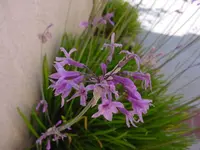
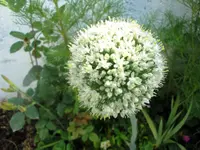
koyosa Care (Albuca abyssinica)

Also known as: kitunguu pori

About koyosa

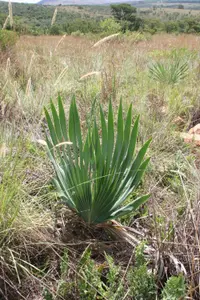
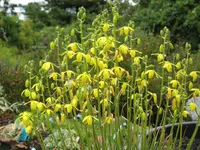
Koyosa (Albuca abyssinica) is a small bulb-forming perennial from eastern Africa, adapted to rocky, open habitats with seasonal rainfall. It grows from underground bulbs and produces narrow, grasslike leaves and upright flower stalks with greenish to yellow, nodding blooms. The plant has a compact, clumping habit that stays relatively low, which makes it suitable for pots, rock gardens, and sunny windowsills. Albuca abyssinica prefers bright light, well-drained gritty soil, and careful watering that allows the bulb to stay dry between wet periods. These traits make it moderately easy to grow for those who learn how to care for koyosa and respect its rest periods.

Main Plant Requirements

Care Difficulty

Moderate Care

Light Preference

Full Sun

Water Requirements

Low Water

Temperature Preference

Warm Climate

Hardiness Zone

9–11

Soil Texture

Sandy, Loamy, Rocky

Soil pH

Slightly acidic (6.5–7.0), Neutral (7.0)

Soil Drainage

Well-drained

Fertilization

Minimal (feed rarely)

Get Personalized Care Plan

Scan your plant to receive care tips personalized for your specific plant

Available on iOS and Android

How to Care for the koyosa

Albuca abyssinica prefers bright, direct sun in cooler hours with some protection from harsh afternoon exposure.

  • Provide 4–6 hours of direct morning sun, then bright filtered light or light shade after midday, especially in hot, dry climates.
  • The plant tolerates light partial shade, but stems may stretch and flowering decline if it receives less than 3–4 hours of direct sun.
  • In regions with intense summer sun, caring for koyosa outdoors is easier if it gets early sun and light shade during the hottest months to prevent leaf scorch.

Albuca abyssinica grows from a bulb and needs careful watering that respects its rest and growth cycles.

  • During active growth, water only when the top 3–5 cm of soil are dry; soil should be moist but never soggy and must drain freely.
  • Reduce watering sharply in the dormant period when leaves yellow and die back, giving just enough to keep the bulb from shriveling.
  • Signs of overwatering include soft, yellowing leaves and a mushy bulb, while dry, curling leaves and slow growth suggest the plant needs more moisture.

This bulb prefers mild, dry conditions and does not tolerate hard frost.

  • Ideal growing temperatures are 65–75°F (18–24°C), with slightly cooler nights supporting strong, compact growth.
  • Albuca abyssinica can handle brief dips to about 35°F (2°C), but repeated frost or freezing soil can damage or kill the bulb.
  • In hot summers above 90°F (32°C), growth may slow; provide afternoon shade and avoid reflected heat from walls or paving to limit stress.

This bulb tolerates a wide humidity range and rarely needs special adjustment indoors.

  • Aim for 30–50% humidity, similar to average heated or air-conditioned homes.
  • The plant handles dry air well; crisp leaf tips usually come from underwatering or excess heat, not low humidity.
  • If air is extremely dry and hot, place the pot on a pebble tray with water below the pot base to slightly raise local humidity.

Albuca abyssinica performs best in a very free-draining, sandy mix that dries quickly between waterings.

  • Use a cactus/succulent base mix, then add extra coarse sand or fine grit to create a loose, mineral-rich structure.
  • Ensure fast drainage by mixing in about 30–40% perlite or pumice to increase air spaces around the bulb and roots.
  • Keep pH slightly acidic to neutral, around 6.0–7.0, avoiding alkaline materials like large amounts of limestone chips.
  • Avoid dense peat, clay-heavy garden soil, or mixes that stay wet longer than 2–3 days, which greatly increase rot risk.

This species is well suited to container growing when drainage and bulb depth are managed carefully.

  • Choose a pot just 2–4 cm wider than the bulb cluster to limit excess wet substrate and reduce rot risk.
  • Use a deeper pot rather than a wide, shallow one so roots can extend downward and stabilize the top growth.
  • Select a terracotta or other porous pot material if overwatering is a concern, as it allows faster evaporation of excess moisture.

Albuca abyssinica benefits from light, targeted feeding to support bulb and foliage growth.

  • Use a balanced liquid fertilizer (around 10-10-10) diluted to 25–50% strength for container plants during active growth.
  • Apply every 4–6 weeks in spring and early summer, then stop once foliage begins to yellow and the plant enters dormancy.
  • Avoid heavy compost or rich slow-release products that keep soil wet around bulbs, as this can increase rot risk.
  • For growers caring for koyosa in lean, sandy soil, a single light feeding at the start of the growing season is usually sufficient.

Albuca abyssinica needs only light, occasional pruning to keep foliage tidy and healthy.

  • Best timing is late summer or early fall, after foliage naturally yellows and dries back from dormancy.
  • Remove dead, yellow, or damaged leaves at the base using clean, sharp scissors or small pruning shears.
  • Trim only spent flower stalks after seed set if no seed is needed, cutting close to the bulb without injuring it.
  • Limiting cuts to dry or declining tissue helps maintain natural shape while directing energy to bulbs for the next growth cycle.

Albuca abyssinica prefers to stay somewhat snug in its pot, so repotting is infrequent but sometimes necessary.

  • Check for roots circling the pot, bulging sides, or reduced vigor as signs it needs a larger container.
  • Plan to repot every 2–3 years in late summer or early fall, just before new growth starts after dormancy.
  • Move bulbs into a pot only 2–3 cm wider, using free-draining, sandy mix, and keeping bulbs slightly exposed at the neck.
  • Handle bulbs gently, keep roots intact, and water lightly after repotting to limit shock and allow the root system to reestablish.

This bulbous species is commonly propagated by seed or careful division of mature clumps.

  • Sow fresh seeds in late winter or early spring in a shallow tray with gritty, well-drained mix, barely covering them.
  • Maintain 65–75°F, bright indirect light, and lightly moist (not wet) soil until germination, which may take several weeks.
  • Divide offsets from large bulbs during dormancy, replanting each with its own roots and firming soil gently around the base.
  • Avoid disturbing young seedlings for at least 1–2 seasons so bulbs can size up before transplanting.

Albuca abyssinica has moderate cold tolerance but benefits from basic winter precautions in cooler climates.

  • In mild climates where frost is light, allow foliage to die back naturally and keep soil on the dry side.
  • In colder regions, mulch in-ground bulbs with 5–7 cm of dry material to insulate the root zone from repeated freezes.
  • Move containers indoors or into a frost-free garage or porch when temperatures approach 32°F, keeping them cool and mostly dry.
  • Avoid overhead watering on very cold days to reduce freeze damage to any remaining foliage or exposed bulb necks.

Care Tips

Seasonal dormancy handling

After foliage yellows and dries, stop watering completely, move the pot to a dry, bright spot, and leave the bulbs undisturbed for 8–12 weeks to ensure a strong next growth cycle.

Bulb spacing strategy

When potting, space bulbs so their sides just avoid touching and keep the upper third of each bulb above the soil surface to reduce rot risk and encourage healthy offset production.

Targeted offset division

Divide and replant offsets only when they have developed their own visible basal plate and roots, using a clean, sharp knife and dusting cuts with dry sulfur or cinnamon to limit infection.

Rotate for even growth

Turn the pot 90° every 1–2 weeks during active growth so the foliage develops symmetrically and the bulbs do not lean strongly toward the light source.

Dormant pot storage

During dormancy, store pots on their sides or on a slightly sloped surface so any accidental water drains away quickly, which is particularly helpful when growing koyosa in mixed collections that are watered together.

Common Pests and Diseases

Mealybugs

This pest feeds on leaf and bulb sap, often hiding in the leaf bases and causing yellowing, distortion, and sticky honeydew. Symptoms include cottony white clusters near the bulb neck and along the lower foliage.

Solution

Isolate the plant, then dab visible insects with cotton swabs dipped in 70% isopropyl alcohol and gently wipe leaf bases and the upper bulb. For heavier infestations, rinse the plant with a strong but gentle stream of water, then apply a horticultural soap or neem oil spray to all surfaces every 7–10 days until no new insects appear, taking care not to over-wet the soil in the dormant season.

Bulb mites

These insects attack damaged or stressed bulbs, tunneling into the scales and causing soft spots, poor sprouting, and eventual bulb collapse. Symptoms include stunted new growth and a powdery, crumbly texture inside affected bulb tissue.

Solution

Remove the plant from its pot, cut out all soft or infested bulb tissue with a sterile blade, and discard badly damaged bulbs. Repot in fresh, fast-draining, sterile mix, avoid overwatering, and keep the bulb slightly drier and cooler; for recurring problems, a labeled miticide drench or hot-water treatment of bulbs under expert guidance can reduce populations while protecting plant viability.

Narcissus bulb fly

This pest lays eggs at the base of bulbs, and the larvae bore into the center, hollowing them out and causing sudden wilt or failure to emerge after dormancy. Symptoms include yellowing foliage that collapses quickly and bulbs that feel light and empty when pressed.

Solution

At the first sign of collapse, lift and inspect bulbs; discard any that are hollow, blackened, or filled with larvae. To prevent future attack, grow Albuca abyssinica in pots with a gritty, well-drained mix, cover bulb necks lightly so the top is not fully exposed, and use fine mesh or physical barriers over outdoor pots during the main egg-laying period in late spring to summer in affected regions.

Basal bulb rot

This disease usually caused by soilborne fungi affects the basal plate and lower bulb scales, leading to brown, water-soaked tissue and a sour smell. Symptoms include weak, yellow foliage and bulbs that become soft at the base while the upper part may look healthy for some time.

Solution

Uproot the plant, remove and discard all rotted tissue and severely affected bulbs, and allow any firm remaining bulbs to dry for 1–2 days before replanting in fresh, sharply drained mix. Reduce watering, avoid letting water sit around the bulb base, and if this problem has occurred before, use only clean pots and sterile, sandy substrate and consider a preventive fungicidal soak labeled for ornamental bulbs before replanting.

Interesting Facts

Bulb from high plateaus

This species is native to high-altitude grasslands and rocky slopes in eastern Africa, especially in Ethiopia and surrounding regions, where it experiences strong sun, cool nights, and a pronounced dry season.

Seasonally deciduous leaves

Its narrow leaves die back during the dry dormant season and re-sprout with the return of rain, a strategy that helps the bulb survive drought and temperature extremes.

Scented green-white flowers

The plant produces upright spikes of nodding green-and-white flowers, which are lightly fragrant and adapted to attract local insect pollinators in its native range.

Botan icon

Did you know?

Albuca abyssinica has been documented as part of traditional food systems in some Ethiopian highland communities, where its bulbs are collected from the wild and eaten after thorough washing and prolonged cooking to reduce naturally occurring bitter and potentially irritating compounds.

FAQs about koyosa

Lack of flowering usually comes from insufficient cool rest, weak bulbs, or poor light. This species often needs a drier, cooler dormant period, then brighter conditions and balanced nutrition to build energy before sending up flower spikes.

Grow Healthy Plants with Botan Care

Keep your plants happy and healthy with plant identification, disease detection, and easy care guidance.

Botan plant care app — identify plants on mobile

Explore More Plants