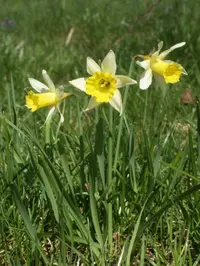
poet's narcissus Care (Narcissus poeticus)

Also known as: Pheasant's-eye narcissus, Pheasant's-eye, Poet's Daffodil, Pheasant's-eye Daffodil
poet's narcissus

About poet's narcissus

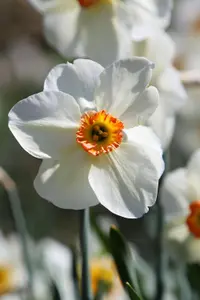
Poet's narcissus, Narcissus poeticus, is a spring-flowering bulb in the amaryllis family, grown mainly for its fragrant, white, star-like flowers with a small red-edged cup. It forms clumps of narrow, upright leaves and flower stalks that rise above the foliage, giving a natural, meadow-like look in borders or lawns.

This species is native to parts of Europe, especially mountain meadows and open woodlands, where soils are moist in spring and drier in summer. It is generally easy to grow in temperate climates, provided the bulbs have good drainage and a period of cool winter. Understanding how to care for poet's narcissus focuses mainly on providing sufficient light, moderate moisture in active growth, and undisturbed bulbs after flowering.

Main Plant Requirements

Care Difficulty

Easy Care

Light Preference

Full Sun

Water Requirements

Moderate Water

Temperature Preference

Cold Hardy

Hardiness Zone

3–8

Soil Texture

Sandy, Loamy, Organic-rich

Soil pH

Acidic (5.5–6.5), Slightly acidic (6.5–7.0)

Soil Drainage

Well-drained

Fertilization

Minimal (feed rarely)

Get Personalized Care Plan

Scan your plant to receive care tips personalized for your specific plant

Available on iOS and Android

How to Care for the poet's narcissus

This species needs bright outdoor light to flower well and build strong bulbs.

  • Provide 4–6 hours of direct sun daily, ideally morning sun with light afternoon shade to protect delicate petals of poet's narcissus.
  • In hotter regions, give filtered or dappled light after midday; intense afternoon sun can scorch foliage and shorten bloom life.
  • Accepts light partial shade (2–4 hours sun), but too much shade causes weak, floppy stems and reduced flowering the following spring.

This bulb prefers steady moisture in active growth but dislikes sitting in waterlogged soil.

  • Water garden clumps when the top 3–5 cm of soil feels dry, aiming for evenly moist but not soggy soil during leaf and flower growth.
  • Ensure sharply draining soil or raised beds; persistent puddling, yellowing leaves, or soft bulbs indicate overwatering and risk of rot in Narcissus poeticus.
  • Reduce or stop watering once foliage yellows naturally after flowering, allowing soil to dry out more between rains during summer dormancy.

This hardy bulb tolerates cold winters and cool springs, then prefers moderate temperatures while in leaf.

  • Optimal spring growth occurs around 50–65°F (10–18°C), with flowers lasting longer in cooler, stable conditions.
  • Bulbs need a cold winter, reliably surviving down to about 0°F (−18°C) in well-drained soil, especially with mulch protection.
  • During hot spells above 80°F (27°C), foliage may decline faster; allow natural dieback and keep bulbs insulated under soil and mulch.

This bulb tolerates a wide humidity range and usually does not need special moisture control in typical household air.

  • Target 30–60% humidity, similar to average indoor conditions, without using humidifiers.
  • Dry air is usually tolerated, but prolonged hot, very dry air can speed flower fading and leaf tip browning.
  • If air is extremely dry near heating vents, move containers a few feet away or group plants to slightly buffer humidity.

Narcissus poeticus grows best in loose, well-aerated mineral soil that drains quickly but still holds moderate moisture.

  • Use a loamy mix with 50–60% garden soil or commercial bulb mix, 20–30% compost, and 10–20% sharp sand or fine grit for drainage.
  • Aim for slightly acidic to neutral pH, around 6.0–7.0, which supports nutrient availability without stressing the bulbs.
  • Improve aeration and reduce rot risk by adding coarse sand or grit throughout the planting zone, not just at the bottom of holes.
  • Avoid heavy clay, waterlogged spots, or compacted ground; raised beds or berms help when native soil drains poorly.

This species is suitable for container growing when bulbs receive enough depth and sharply drained conditions.

  • Choose a pot at least 20–25 cm deep so bulbs can sit twice their height below the rim with space for roots to extend downward.
  • Select a heavy terracotta or ceramic container outdoors to prevent tipping when tall flowering stems catch wind.
  • Layer a thin band of coarse grit within the lower third of the mix, not just at the base, to keep drainage consistent through the root zone.

This bulb needs only light feeding, as poet's narcissus stores most of its energy in the bulb.

  • Apply a balanced, slow-release fertilizer (around 10-10-10) or thin compost layer once in early spring as leaves emerge.
  • Use at half the label strength to avoid excessive leaf growth and weak bulbs.
  • Do not apply fertilizer after flowering; allow foliage to fade naturally while it recharges the bulb.
  • Skip feeding during summer dormancy and winter, unless bulbs are in poor, very sandy soil.

Narcissus poeticus requires minimal pruning focused on post-flowering cleanup rather than shaping.

  • Deadhead spent flower heads soon after bloom, cutting just below the faded flower to reduce seed set.
  • Leave green leaves intact until they yellow and collapse naturally, then remove them at the base.
  • Cut only dead, diseased, or damaged foliage using clean, sharp scissors or hand pruners.
  • Avoid tying or braiding leaves, since this reduces photosynthesis and weakens future flowering.

Transplanting or lifting is needed only when clumps become crowded or flowering declines.

  • Look for reduced bloom size, many leaves with few flowers, or bulbs pushing to the soil surface as signs of crowding.
  • Divide and transplant Narcissus poeticus bulbs in late summer to early fall, after foliage has fully died back.
  • Aim to lift and replant clumps every 4–6 years, spacing bulbs 7–10 cm apart in well-drained soil.
  • Handle bulbs gently, keep roots and basal plate shaded, and replant promptly at roughly 2–3 times bulb height.

Propagation of Narcissus poeticus is most reliable through bulb division rather than seed.

  • Lift mature clumps in late summer or early fall, when the plant is dormant and foliage is gone.
  • Gently separate offsets (small bulbs) from the parent bulb, discarding any soft or diseased ones.
  • Replant bulbs at 2–3 times their height, in free-draining soil and full sun to light shade.
  • Seed propagation is slow; if attempted, sow fresh seed in pots outdoors and allow natural cold stratification.

This species is generally cold hardy in temperate climates and needs little winter care in the ground.

  • Dormant bulbs tolerate typical garden frosts; in very cold zones, add a 5–8 cm mulch layer over the planting area.
  • Use loose mulch such as shredded leaves or straw, applied after the soil has cooled in late fall.
  • Move containers of Narcissus poeticus to a sheltered, frost-free but cool place if long hard freezes are expected.
  • Ensure winter soil drainage is good; prolonged waterlogging around dormant bulbs increases rot risk.

Care Tips

Time bulb division

Lift and divide clumps only after foliage has fully yellowed, then replant offsets at the same depth immediately so the bulbs do not dry out and can re-establish before their next growth cycle.

Control self-seeding

Deadhead spent flowers promptly while leaving the foliage intact to prevent excessive self-seeding and to keep planting schemes tidy and predictable.

Protect from bulb pests

When replanting, inspect bulbs for soft spots or entry holes, discard any suspect bulbs, and use a wire mesh or bulb baskets in vole- or squirrel-prone areas to reduce damage.

Plan for companion cover

Underplant with low, later-emerging perennials or groundcovers to hide the fading foliage naturally without cutting it down early, which helps maintain energy storage in the bulbs.

Optimize naturalizing layout

For a more natural look when growing poet's narcissus, plant bulbs in loose drifts or irregular clusters instead of straight rows, spacing them slightly unevenly to mimic wild growth patterns.

Common Pests and Diseases

Narcissus bulb fly

This pest targets the bulbs, where the larvae tunnel inside and destroy the interior tissue. Symptoms include weak or missing shoots in spring and bulbs that feel soft or hollow when squeezed.

Solution

Lift suspect bulbs and cut them open to check for large white larvae; discard any infested bulbs in the trash, not in compost. Protect healthy bulbs by covering planting areas with fine mesh in late spring–summer to prevent egg-laying, and rotate planting sites to reduce local populations when planning how to take care of poet's narcissus outdoors.

Basal rot

This disease is caused mainly by the fungus Fusarium oxysporum f. sp. narcissi, leading to brown, sunken areas at the basal plate and gradual bulb collapse. Symptoms include stunted or yellow foliage, poor flowering, and bulbs with dry, brown, crumbly tissue at the base.

Solution

Remove and discard all affected bulbs and nearby soil debris, then replant only firm, clean bulbs. Improve drainage, avoid planting in warm wet soils, and disinfect tools and storage trays to limit spread, keeping stored bulbs dry, cool, and well ventilated.

Narcissus smoulder

This disease, caused by Botrytis narcissicola, produces grey mold on leaves, stems, and flowers, often following cool, wet weather. Symptoms include brown, water-soaked lesions that develop fuzzy grey mold and can lead to collapse of flower stalks.

Solution

Promptly remove and dispose of all infected foliage and spent flowers to reduce spores. Space plants for good airflow, avoid overhead watering, and in severe or recurring cases use a labeled ornamental bulb fungicide during periods of prolonged damp weather.

Bulb scale mite

This pest feeds within the bulb scales, leading to slow decline, poor sprouting, and distorted or weak stems and flowers. Symptoms include bulbs that feel slightly spongy with dry, flaky scales and reduced vigor over several seasons.

Solution

Discard heavily infested bulbs and do not reuse storage containers without cleaning. For lightly affected stock, remove loose outer scales, then store or pre-plant bulbs in a cool, dry, well-ventilated place; avoid high temperatures in storage and source new bulbs from reputable, mite-free suppliers.

Narcissus yellow stripe virus

This disease is viral and causes pale yellow stripes or streaks on leaves and sometimes distorted, weak growth. Symptoms include reduced flowering quality and gradual loss of vigor over several years.

Solution

There is no cure, so remove and destroy symptomatic plants, including bulbs, to prevent spread. Control sap-sucking insects such as aphids that transmit viruses, clean tools between clumps, and keep only healthy, vigorous bulbs for replanting or division.

Interesting Facts

Ancient spring bloomer

This species is one of the earliest daffodils described in antiquity and was mentioned by classical authors such as Theophrastus and Pliny, likely referring to wild populations in southern Europe.

Fragrant central cup

The small, flattened corona in the flower’s center produces a strong, spicy-sweet fragrance that is especially notable at dusk, which likely helps attract nocturnal or crepuscular pollinators.

Highly toxic bulbs

All parts of the plant, especially the bulbs, contain alkaloids such as lycorine that can cause gastrointestinal and neurological symptoms if eaten, and the sap may irritate sensitive skin.

Botan icon

Did you know?

Poet’s narcissus is considered one of the parent species of many modern garden daffodil hybrids, so understanding Narcissus poeticus care helps explain why many cultivated daffodils prefer cool winters, well-drained soils, and a marked rest period after flowering.

FAQs about poet's narcissus

Lack of flowers is usually linked to bulbs planted too shallow, overcrowding, or insufficient post-bloom leaf time. Allow foliage to yellow naturally, avoid cutting it early, and divide clumps every 3–5 years for reliable flowering.

Grow Healthy Plants with Botan Care

Keep your plants happy and healthy with plant identification, disease detection, and easy care guidance.

Botan plant care app — identify plants on mobile

Explore More Plants